
The Versatility and Efficiency of Parallel Twin Screw Extruders in Plastic Processing
2025-01
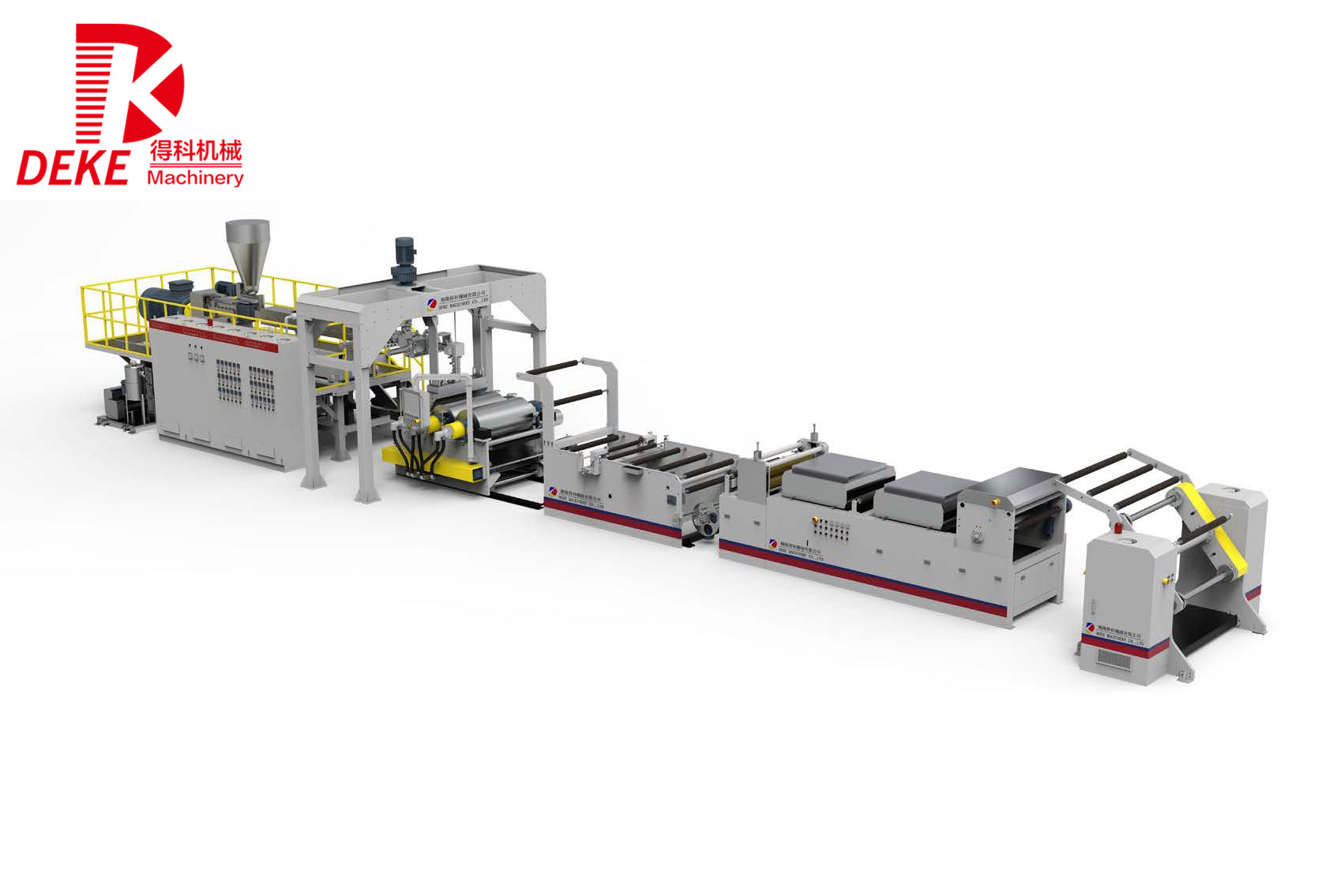
One of the key advantages of parallel twin screw extruders is their ability to provide a consistent and uniform melt of thermoplastic materials. The parallel arrangement of the screws allows for better mixing and distribution of materials, ensuring that additives, pigments, and other components are evenly incorporated into the melt. This results in high-quality end products with uniform properties, which is crucial for many applications.
Furthermore, the architectural design of parallel twin screw extruders facilitates a wide processing window. This means that they can accommodate a range of materials with varying characteristics, such as viscosity and thermal stability. This versatility allows manufacturers to process different types of plastics and formulations without the need for extensive reconfiguration, thereby increasing production efficiency.
Another significant benefit of parallel twin screw extruders is their enhanced conveying ability. The dual-screw design enables improved feed rates, reducing the chances of blockages and ensuring smoother operation. This high throughput capability is particularly advantageous in large-scale production settings where efficiency is paramount.
Moreover, parallel twin screw extruders are well-suited for various processing techniques such as compounding, pelletizing, and reactive extrusion. In compounding applications, these machines facilitate the incorporation of fillers and additives into the plastic matrix, enhancing the material's properties such as strength, flexibility, and UV resistance. Reactive extrusion, on the other hand, allows for in-line polymerization or chemical reactions to occur during the extrusion process, creating innovative materials with tailored characteristics.
The ability to control temperature and pressure precisely within the extruder barrel further contributes to the overall efficiency of the parallel twin screw extruder. Manufacturers can optimize processing conditions, resulting in lower energy consumption and reduced waste. This not only makes operations more cost-effective but also aligns with sustainability goals by minimizing the environmental impact of production processes.
In conclusion, parallel twin screw extruders play a pivotal role in the manufacturing and processing of plastics, offering versatility, efficient material handling, and superior product quality. Their advanced features and capabilities make them an invaluable asset in the competitive landscape of plastic processing machinery, enabling businesses to meet the evolving demands of the industry while ensuring consistent performance.
RELATED INFORMATION

Why Choose Conical Twin Screw for Your Next Extrusion Project?
Why Choose Conical Twin Screw for Your Next Extrusion Project? Understanding Extrusion Technology In the realm of **plastic processing**, extrusion is an essential manufacturing technique that transforms raw plastic materials into usable products. The **extrusion process** involves forcing molten plastic through a die to create continuous shapes like sheets, films, and profiles. With advancements
Understanding the Advantages of Counter Rotating Twin Screw Extruders for Plastic Processing
Counter rotating twin screw extruders are pivotal in the plastic processing industry, recognized for their versatility and efficiency. Unlike single screw extruders, twin screw extruders feature two intermeshing screws that rotate in opposite directions. This design allows for enhanced material handling and processing capabilities, making them suitable for a wide array of applications. One of the

Website

Copyright©Jieyang Deke Machinery Co., Ltd.