
Unlocking Efficiency: The Role of Intermeshing Twin Screw Extruders in Plastic Processing
2025-01
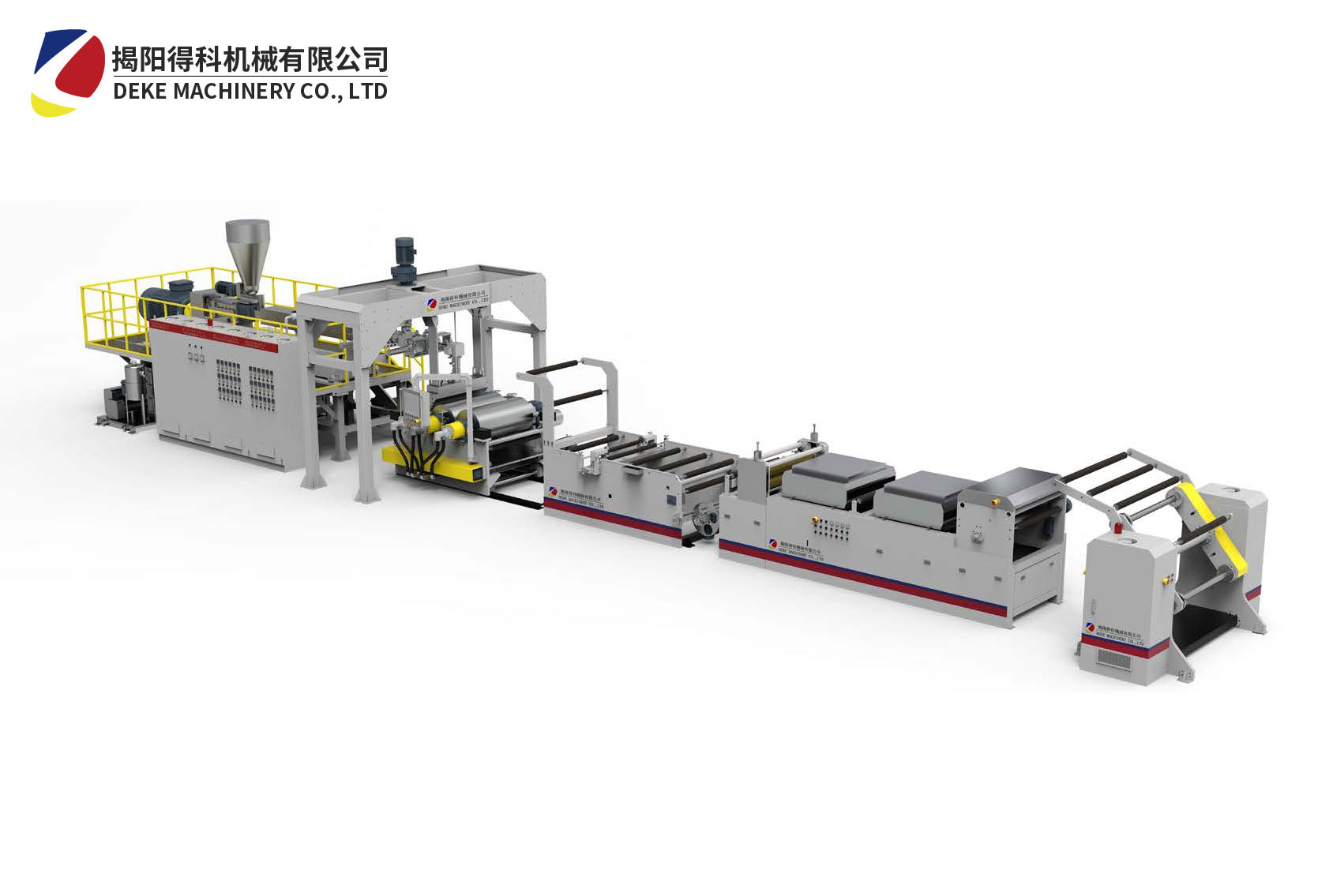
Unlocking Efficiency: The Role of Intermeshing Twin Screw Extruders in Plastic Processing
Table of Contents
- 1. Introduction to Intermeshing Twin Screw Extruders
- 2. What Are Intermeshing Twin Screw Extruders?
- 3. How Intermeshing Twin Screw Extruders Work
- 4. Benefits of Using Intermeshing Twin Screw Extruders
- 5. Applications in Plastic Processing
- 6. Comparison with Conventional Extruders
- 7. Future Trends and Innovations in Extrusion Technology
- 8. Conclusion
- 9. FAQs
1. Introduction to Intermeshing Twin Screw Extruders
Intermeshing twin screw extruders have emerged as a cornerstone technology in the plastic processing industry. These machines are designed for a variety of applications, including compounding, mixing, and pelletizing plastics, all while optimizing efficiency and quality. In this article, we will explore the operational mechanics, benefits, and applications of intermeshing twin screw extruders, as well as their importance in modern manufacturing.
2. What Are Intermeshing Twin Screw Extruders?
Intermeshing twin screw extruders consist of two screws that rotate in the same direction but with their flights intermeshing, allowing the material to be processed between them. This design contrasts with parallel twin screw extruders, where the screws run alongside each other without intermeshing.
These machines are known for their exceptional mixing capabilities and material feeding efficiency, making them ideal for processing a wide range of polymers and additives. The design enables better residence time distribution, ensuring uniformity in the material being processed.
3. How Intermeshing Twin Screw Extruders Work
The operation of intermeshing twin screw extruders can be broken down into several key stages:
3.1 Feeding
Materials such as plastic pellets, powders, or granules are fed into the extruder through a hopper. The feed zone is carefully designed to facilitate effective material flow into the screw.
3.2 Melting and Mixing
As the screws rotate, they generate shear and friction, which helps to melt the plastic. The intermeshing design allows for intense mixing, promoting a homogeneous melt. The temperature can be closely controlled, optimizing the melting process for various materials.
3.3 Venting
Many intermeshing twin screw extruders are equipped with venting sections to allow for the removal of volatile substances. This is crucial in applications where moisture or solvents need to be eliminated.
3.4 Shaping and Pelletizing
Finally, the melted material is shaped and cooled, typically by passing it through a die and then cutting it into pellets. This allows for easy handling and storage of the final product.
4. Benefits of Using Intermeshing Twin Screw Extruders
Intermeshing twin screw extruders offer numerous advantages over traditional extrusion methods:
4.1 Enhanced Mixing Efficiency
The intermeshing screws create a highly effective mixing environment, ensuring that additives are uniformly distributed throughout the polymer matrix. This is particularly beneficial when processing materials with varying densities or melting points.
4.2 Improved Thermal Control
With the ability to control temperature precisely, these extruders minimize thermal degradation of sensitive materials, leading to higher-quality end products.
4.3 Greater Flexibility
Intermeshing twin screw extruders can accommodate a wide range of materials, including filled, reinforced, and specialty polymers. Their versatility makes them suitable for various applications, from food packaging to automotive components.
4.4 Energy Efficiency
These machines often exhibit lower energy consumption compared to other types of extruders, resulting in reduced operational costs and a smaller environmental footprint.
4.5 Scalability
They can be easily scaled to meet production demands, with options available for both small-scale and large-scale operations.
5. Applications in Plastic Processing
Intermeshing twin screw extruders find applications across multiple sectors:
5.1 Polymer Blending and Compounding
These extruders excel in the blending and compounding of various polymers, allowing manufacturers to create custom formulations for specific applications.
5.2 Recycling and Reprocessing
They play a crucial role in recycling processes, helping to reprocess post-consumer plastics into usable materials while maintaining quality.
5.3 Masterbatch Production
Masterbatches are concentrated mixtures of additives and polymers. Intermeshing twin screw extruders ensure consistent and efficient production of these vital components.
5.4 Food and Pharmaceutical Packaging
The technology is also utilized in producing specialized films and containers for the food and pharmaceutical industries, where material integrity and safety are paramount.
6. Comparison with Conventional Extruders
When comparing intermeshing twin screw extruders to conventional single screw extruders, several distinctions become apparent:
6.1 Mixing Capabilities
While single screw extruders can offer mixing capabilities, they often cannot match the efficiency of intermeshing designs, especially for complex formulations.
6.2 Processing Range
Intermeshing twin screw extruders can handle a broader range of materials and conditions, making them more adaptable for various applications.
6.3 Maintenance and Operation
Although intermeshing twin screw extruders may require more sophisticated control systems, their operational efficiencies often lead to lower maintenance costs in the long run.
7. Future Trends and Innovations in Extrusion Technology
As the plastic processing industry evolves, intermeshing twin screw extruders continue to benefit from technological advancements:
7.1 Industry 4.0 Integration
The incorporation of smart technology and IoT is enabling more efficient monitoring and control of extrusion processes, helping manufacturers optimize production and reduce waste.
7.2 Sustainable Practices
With the growing emphasis on sustainability, intermeshing twin screw extruders are being adapted to facilitate the processing of bioplastics and recycled materials, contributing to a circular economy.
7.3 Customization and Modularity
Emerging trends are leaning towards modular designs, allowing manufacturers to customize their extruders based on specific production needs, enhancing flexibility and efficiency.
8. Conclusion
Intermeshing twin screw extruders represent a vital technology in modern plastic processing, offering numerous advantages in efficiency, flexibility, and sustainability. Their ability to handle a wide range of materials while providing excellent mixing and thermal control makes them indispensable in various applications. As the industry continues to innovate, these machines will play an even more critical role in shaping the future of plastic manufacturing.
9. FAQs
What is the primary advantage of intermeshing twin screw extruders?
The primary advantage is their superior mixing efficiency, allowing for uniform distribution of additives in the plastic matrix.
Can intermeshing twin screw extruders process recycled materials?
Yes, they are highly effective for processing recycled materials, helping to maintain quality and reduce waste.
How do intermeshing twin screw extruders compare to single screw extruders?
Intermeshing twin screw extruders offer better mixing capabilities, a wider processing range, and enhanced flexibility compared to single screw extruders.
What industries benefit from intermeshing twin screw extrusion technology?
They are used across various industries, including packaging, automotive, electronics, and pharmaceuticals.
What future trends are expected in extrusion technology?
Future trends include the integration of smart technology, sustainable practices, and increased modularity for customization in production processes.
RELATED INFORMATION

Why Choose Conical Twin Screw for Your Next Extrusion Project?
Why Choose Conical Twin Screw for Your Next Extrusion Project? Understanding Extrusion Technology In the realm of **plastic processing**, extrusion is an essential manufacturing technique that transforms raw plastic materials into usable products. The **extrusion process** involves forcing molten plastic through a die to create continuous shapes like sheets, films, and profiles. With advancements
Understanding the Advantages of Counter Rotating Twin Screw Extruders for Plastic Processing
Counter rotating twin screw extruders are pivotal in the plastic processing industry, recognized for their versatility and efficiency. Unlike single screw extruders, twin screw extruders feature two intermeshing screws that rotate in opposite directions. This design allows for enhanced material handling and processing capabilities, making them suitable for a wide array of applications. One of the

Website

Copyright©Jieyang Deke Machinery Co., Ltd.