
Understanding the Benefits of a Compounding Twin Screw Extruder in Plastic Processing
2025-02
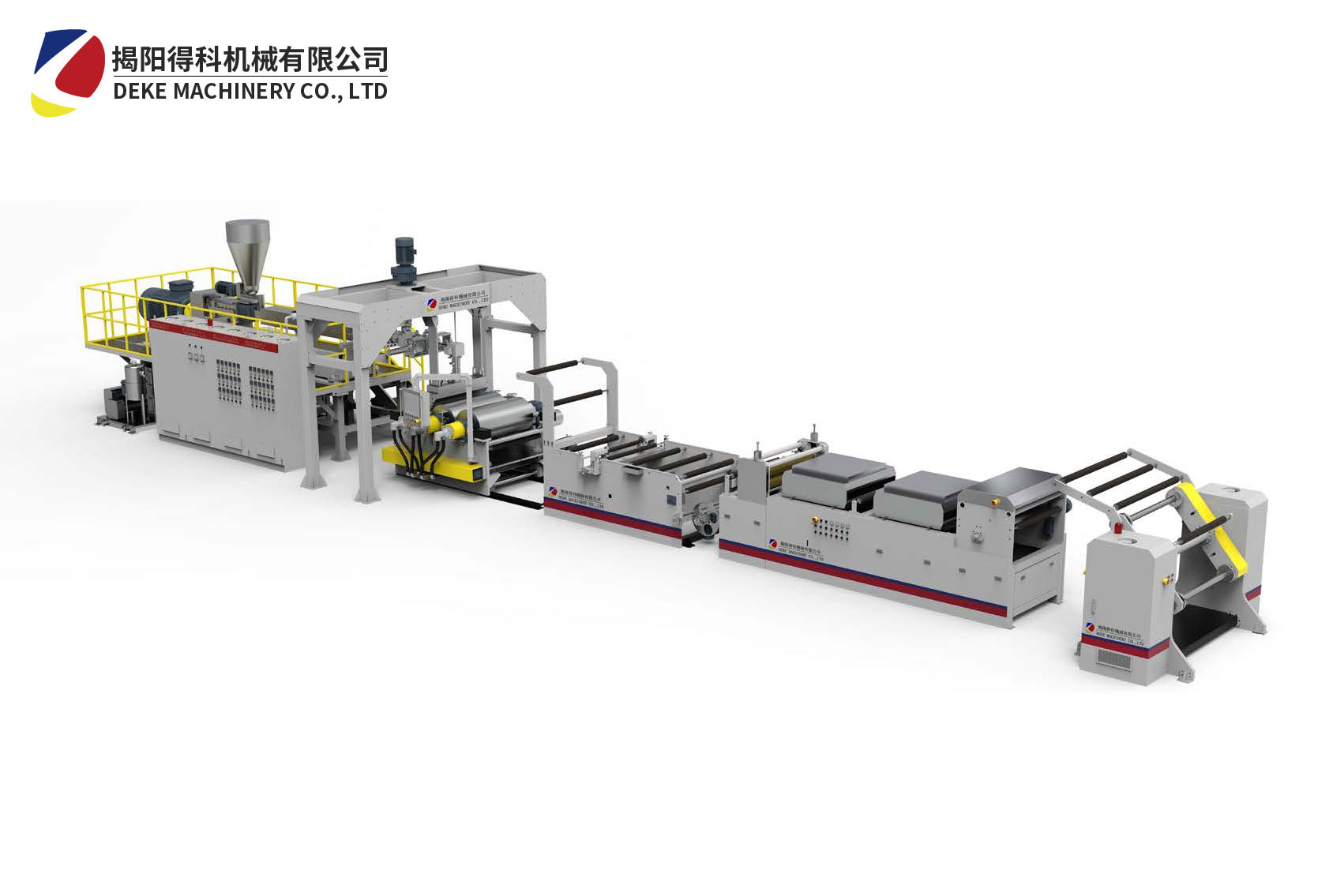
Understanding the Benefits of a Compounding Twin Screw Extruder in Plastic Processing
Table of Contents
1. Introduction to Compounding Twin Screw Extruders
2. What is a Twin Screw Extruder?
3. Key Components of a Compounding Twin Screw Extruder
4. Benefits of Compounding Twin Screw Extruders
4.1 Enhanced Mixing Capabilities
4.2 Increased Production Efficiency
4.3 Versatility in Material Processing
4.4 Improved Product Quality and Consistency
4.5 Eco-Friendly Processing Options
5. Applications of Compounding Twin Screw Extruders in Plastic Processing
6. Challenges and Considerations in Using Twin Screw Extruders
7. Future Trends in Twin Screw Extruder Technology
8. Frequently Asked Questions (FAQs)
9. Conclusion
1. Introduction to Compounding Twin Screw Extruders
Compounding Twin Screw Extruders have revolutionized the plastic processing industry by enhancing the efficiency and quality of material production. These advanced machines play a pivotal role in the compounding process, where various raw materials are mixed, melted, and formed into a homogenous product. With the increasing demand for high-quality plastics in various sectors, understanding the benefits of these extruders becomes paramount for manufacturers.
2. What is a Twin Screw Extruder?
A Twin Screw Extruder is a type of extrusion machine characterized by its two parallel screws that rotate within a barrel. This design allows for efficient mixing and processing of materials. Unlike single-screw extruders, the twin-screw configuration offers superior control over the material flow and enables a range of processing techniques such as melting, mixing, and venting.
3. Key Components of a Compounding Twin Screw Extruder
The effectiveness of a Compounding Twin Screw Extruder relies on several crucial components:
- **Hoppers**: Where raw materials are introduced.
- **Screws**: Twin screws that facilitate mixing and melting.
- **Barrel**: The cylindrical housing where the material is processed.
- **Temperature Control System**: Ensures optimal processing temperatures.
- **Die**: Shapes the final extruded product.
Each component plays a vital role in ensuring the extruder operates efficiently, thereby maximizing productivity and product quality.
4. Benefits of Compounding Twin Screw Extruders
4.1 Enhanced Mixing Capabilities
One of the primary benefits of a Compounding Twin Screw Extruder is its **enhanced mixing capabilities**. The intermeshing screws create a strong shear force, ensuring that materials are mixed thoroughly. This results in a uniform distribution of additives, colors, and fillers, which is critical for producing high-quality plastics.
4.2 Increased Production Efficiency
Compounding Twin Screw Extruders are designed for high throughput, significantly increasing **production efficiency**. The continuous processing nature of these machines allows for uninterrupted production cycles, thereby reducing downtime and maximizing output.
4.3 Versatility in Material Processing
These extruders are incredibly versatile, capable of processing a wide range of materials including thermoplastics, thermosets, and even biodegradable plastics. This flexibility enables manufacturers to experiment with different formulations and adapt to changing market demands.
4.4 Improved Product Quality and Consistency
With precise control over processing parameters, Compounding Twin Screw Extruders ensure **improved product quality and consistency**. This reliability is essential in maintaining customer satisfaction and adhering to regulatory standards.
4.5 Eco-Friendly Processing Options
As industries move towards sustainable practices, Compounding Twin Screw Extruders offer **eco-friendly processing options**. These machines can facilitate the processing of recycled materials and incorporate eco-friendly additives, contributing to greener production methods.
5. Applications of Compounding Twin Screw Extruders in Plastic Processing
Compounding Twin Screw Extruders are utilized in various applications within the plastic processing industry, including:
- **Masterbatch Production**: Concentrated mixtures of pigments and additives.
- **Polymer Blending**: Combining different polymers to achieve desired properties.
- **Additive Masterbatches**: Incorporating specific additives for functionality, such as UV stabilization.
These applications highlight the versatility and efficiency of twin screw extruders in meeting diverse manufacturing needs.
6. Challenges and Considerations in Using Twin Screw Extruders
While Compounding Twin Screw Extruders offer numerous benefits, there are challenges to consider, such as:
- **Initial Investment Costs**: The upfront cost of purchasing twin screw extruders can be significant.
- **Complexity of Operation**: Operating these machines requires skilled personnel and in-depth knowledge of the processes.
- **Maintenance Requirements**: Regular maintenance is crucial to prevent downtime and ensure longevity.
Understanding these challenges is essential for manufacturers to make informed decisions regarding their production processes.
7. Future Trends in Twin Screw Extruder Technology
The future of twin screw extruder technology is promising, with ongoing advancements aimed at improving efficiency and sustainability. Key trends include the integration of automation and IoT, enabling real-time monitoring and optimization of processing parameters. Additionally, increased focus on sustainable materials will drive innovations in compounding technologies.
8. Frequently Asked Questions (FAQs)
8.1 What is the primary advantage of a twin screw extruder over a single screw extruder?
The primary advantage is the superior mixing and compounding capabilities of twin screw extruders, allowing for better material homogeneity and enhanced processing flexibility.
8.2 Can twin screw extruders process recycled plastics?
Yes, twin screw extruders are highly effective in processing recycled plastics, making them ideal for eco-friendly manufacturing practices.
8.3 What types of materials can be processed using a twin screw extruder?
Twin screw extruders can process a wide variety of thermoplastics, thermosets, and biodegradable materials, making them versatile for different applications.
8.4 How does temperature control impact the processing in a twin screw extruder?
Temperature control is crucial in twin screw extrusion as it directly affects the melting and mixing of materials, ensuring optimal processing conditions for high-quality output.
8.5 What industries benefit from using twin screw extruders?
Industries such as automotive, packaging, consumer goods, and medical devices benefit from the versatility and efficiency of twin screw extruders in their plastic processing needs.
9. Conclusion
In summary, Compounding Twin Screw Extruders play a critical role in the plastic processing industry, providing manufacturers with enhanced mixing capabilities, increased production efficiency, and improved product quality. As the demand for high-quality and sustainable plastics continues to rise, understanding the benefits of these advanced machines is essential for businesses seeking to remain competitive. By leveraging the capabilities of twin screw extruders, manufacturers can position themselves for success in a rapidly evolving market.
RELATED INFORMATION

Why Choose Conical Twin Screw for Your Next Extrusion Project?
Why Choose Conical Twin Screw for Your Next Extrusion Project? Understanding Extrusion Technology In the realm of **plastic processing**, extrusion is an essential manufacturing technique that transforms raw plastic materials into usable products. The **extrusion process** involves forcing molten plastic through a die to create continuous shapes like sheets, films, and profiles. With advancements
Understanding the Advantages of Counter Rotating Twin Screw Extruders for Plastic Processing
Counter rotating twin screw extruders are pivotal in the plastic processing industry, recognized for their versatility and efficiency. Unlike single screw extruders, twin screw extruders feature two intermeshing screws that rotate in opposite directions. This design allows for enhanced material handling and processing capabilities, making them suitable for a wide array of applications. One of the

Website

Copyright©Jieyang Deke Machinery Co., Ltd.