
How a Compounding Twin Screw Extruder Revolutionizes Plastic Manufacturing
2025-02
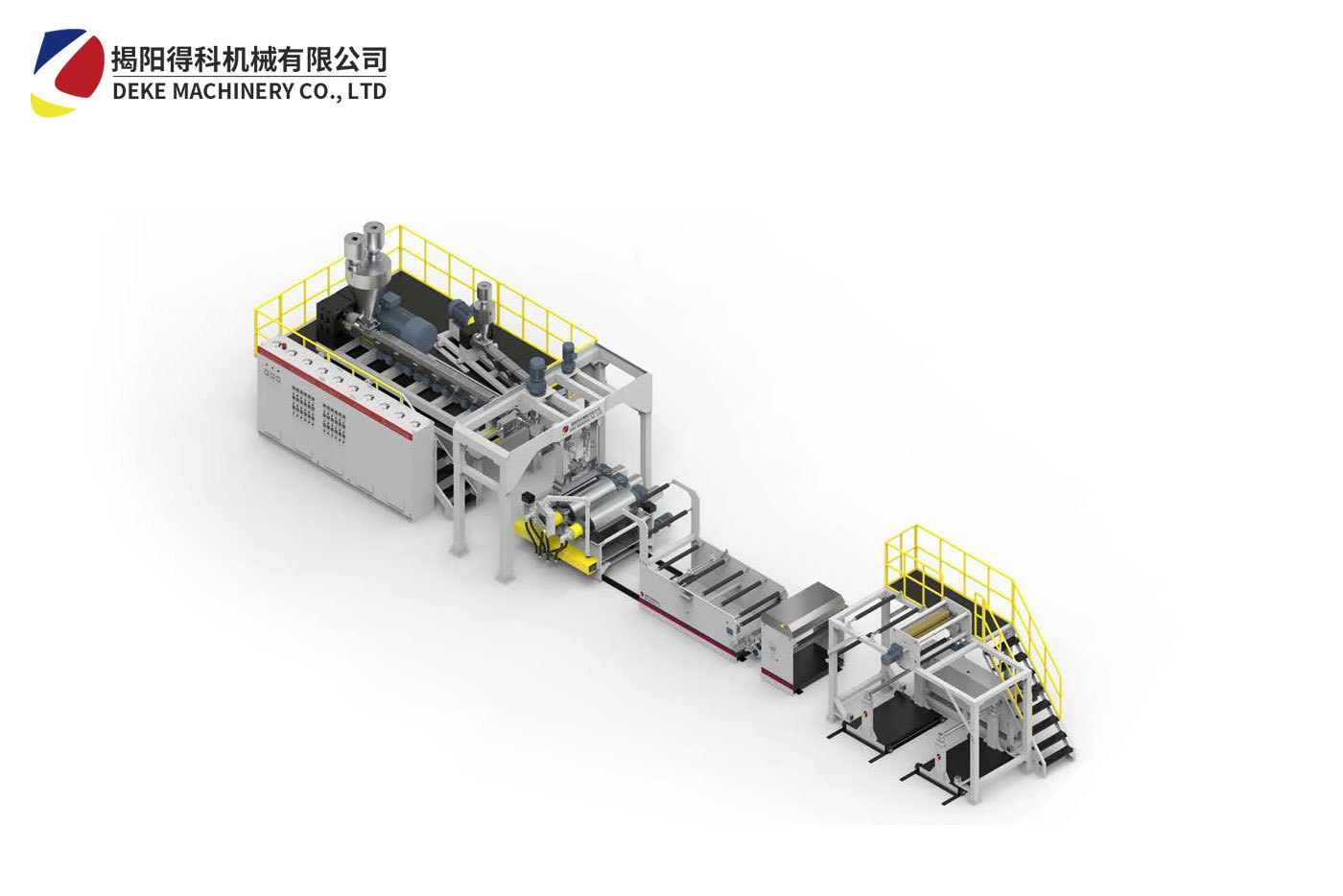
How a Compounding Twin Screw Extruder Revolutionizes Plastic Manufacturing
Table of Contents
- 1. Introduction to Compounding Twin Screw Extruders
- 2. What is a Twin Screw Extruder?
- 3. Benefits of Compounding Twin Screw Extruders
- 4. Applications in Plastic Manufacturing
- 5. How Compounding Twin Screw Extruders Work
- 6. Innovations and Technologies in Twin Screw Extrusion
- 7. Maintenance and Optimization of Twin Screw Extruders
- 8. The Future of Plastic Manufacturing with Twin Screw Extruders
- 9. Conclusion
- 10. Frequently Asked Questions (FAQs)
1. Introduction to Compounding Twin Screw Extruders
The plastic manufacturing industry has experienced significant advancements over the years, and one of the most groundbreaking innovations is the **compounding twin screw extruder**. This sophisticated piece of machinery has revolutionized how plastics are formulated and processed, leading to enhanced product quality, increased efficiency, and greater versatility in applications. In this article, we explore the various facets of compounding twin screw extruders and their transformative role in the plastic manufacturing landscape.
2. What is a Twin Screw Extruder?
A twin screw extruder is a type of extrusion machine that uses two intermeshing screws to process materials. Unlike single screw extruders, twin screw extruders offer enhanced mixing capabilities, making them ideal for compounding various polymers and additives. The design of the screws allows for better material handling, improved heat transfer, and uniform blending, which are crucial for producing high-quality plastic products.
The Anatomy of a Twin Screw Extruder
Understanding the anatomy of a twin screw extruder is essential for grasping its functionality. Key components include:
- **Screws:** Typically, the screws are co-rotating or counter-rotating, allowing for optimal mixing and fluidity.
- **Barrel:** The barrel houses the screws and provides the necessary heating elements to melt the resins.
- **Feeding System:** This system ensures a consistent supply of raw materials into the extruder.
- **Die Head:** The die shapes the molten plastic into the desired form, whether it be pellets, sheets, or other profiles.
3. Benefits of Compounding Twin Screw Extruders
The adoption of compounding twin screw extruders in plastic manufacturing offers a myriad of benefits that significantly impact production processes and outcomes.
Enhanced Material Properties
Compounding twin screw extruders facilitate the incorporation of various additives, fillers, and reinforcements into polymer matrices. This results in enhanced material properties such as improved tensile strength, flexibility, and resistance to environmental factors.
Improved Process Efficiency
With their ability to handle multiple materials simultaneously, twin screw extruders streamline the compounding process. This efficiency not only reduces processing times but also minimizes waste, leading to cost savings.
Greater Flexibility and Customization
Manufacturers can easily tailor formulations to meet specific requirements. This adaptability is crucial in an industry where consumer demands are continuously evolving.
Consistent Quality Control
The precise control over temperature, pressure, and mixing conditions allows for better quality control throughout the production process. This consistency is vital for maintaining product standards and meeting regulatory requirements.
4. Applications in Plastic Manufacturing
Compounding twin screw extruders are versatile machines that find applications across various sectors within the plastic manufacturing industry.
Polymer Blending
One of the primary applications is polymer blending, where different types of polymers are combined to achieve specific attributes. This is particularly important in producing materials with unique properties for specialized applications.
Production of Masterbatches
Masterbatches are concentrated mixtures of additives and polymers that are later diluted during the production of final products. Twin screw extruders excel in the production of these masterbatches, ensuring uniform dispersion of additives.
Recycling and Reprocessing
With growing environmental concerns, recycling has become a vital aspect of plastic manufacturing. Twin screw extruders are highly effective in reprocessing recycled plastics, allowing manufacturers to create new products from scrap materials.
Specialty Plastics and Alloys
The ability to incorporate various additives enables the production of specialty plastics and polymer alloys designed for specific applications, such as automotive components, medical devices, and consumer goods.
5. How Compounding Twin Screw Extruders Work
Understanding how compounding twin screw extruders function provides insights into their efficiency and effectiveness in plastic manufacturing.
Feeding Phase
The process begins with the feeding of raw materials into the extruder. This can include various resins and additives, which are carefully measured and fed into the machine.
Melting and Mixing Phase
As the materials travel through the heated barrel, they undergo melting. The intermeshing screws create a dynamic mixing environment, ensuring homogenous blending of all components.
Shearing and Compounding Phase
During this phase, the material is subjected to shear forces, which further enhance mixing and dispersion of additives. This step is crucial for achieving the desired material properties.
Die and Cooling Phase
Finally, the compounded material is forced through a die, where it takes on its final shape. Following this, a cooling system solidifies the extrudate, preparing it for downstream processing.
6. Innovations and Technologies in Twin Screw Extrusion
The field of twin screw extrusion is continually evolving, driven by technological innovations that enhance performance and efficiency.
Advanced Control Systems
Modern twin screw extruders are equipped with sophisticated control systems that allow for real-time monitoring and adjustments to processing parameters. This technology ensures optimal performance and consistent product quality.
Energy Efficiency Improvements
Recent advancements have focused on reducing energy consumption during the extrusion process. Efficient heating elements and improved mechanical designs contribute to lower energy usage, benefiting both the environment and operating costs.
Hybrid Systems
Hybrid systems that integrate twin screw extrusion with other processing technologies are becoming increasingly popular. These systems leverage the strengths of various processes to produce high-performance materials more efficiently.
7. Maintenance and Optimization of Twin Screw Extruders
To ensure the longevity and efficiency of compounding twin screw extruders, regular maintenance and optimization are essential.
Scheduled Maintenance
Implementing a schedule for regular maintenance checks can prevent costly breakdowns and extend the lifespan of the equipment. This includes inspecting components, checking for wear and tear, and ensuring that all systems are functioning correctly.
Process Optimization Techniques
Continuous improvement methodologies, such as Six Sigma and Lean Manufacturing, can be applied to optimize the extrusion process. These techniques focus on reducing variability and waste, thereby enhancing overall efficiency.
8. The Future of Plastic Manufacturing with Twin Screw Extruders
The future of plastic manufacturing is bright, with the compounding twin screw extruder playing a pivotal role. As industries become more focused on sustainability, these machines will be crucial in developing biodegradable plastics and enhancing recycling processes.
Adaptation to New Materials
The ability to process a wider variety of materials, including bioplastics and nanocomposites, will allow manufacturers to innovate continuously. As new materials emerge, twin screw extruders will adapt and expand their capabilities.
Smart Manufacturing Integration
The integration of smart manufacturing practices, including IoT and AI, will enhance the operational efficiency of twin screw extruders. Data analytics will provide insights into performance, enabling proactive maintenance and optimization.
9. Conclusion
In conclusion, compounding twin screw extruders have fundamentally transformed the plastic manufacturing landscape. Their ability to enhance material properties, improve process efficiency, and provide versatility in applications makes them an invaluable asset to manufacturers. As technology continues to evolve, so too will the capabilities of these machines, paving the way for a more innovative and sustainable future in plastic manufacturing.
10. Frequently Asked Questions (FAQs)
What types of materials can be processed with twin screw extruders?
Compounding twin screw extruders can process a wide range of materials, including various polymers, additives, fillers, and recycled materials.
How do twin screw extruders improve product quality?
They enhance product quality by providing superior mixing, consistent temperature control, and the ability to incorporate additives uniformly.
What industries benefit from twin screw extrusion?
Industries such as automotive, packaging, electronics, and medical devices benefit significantly from twin screw extrusion due to its versatility and efficiency.
Are twin screw extruders suitable for small batch production?
Yes, twin screw extruders can be configured for small batch production, making them suitable for research and development as well as specialized products.
How can maintenance be optimized for twin screw extruders?
Regular maintenance schedules, real-time monitoring, and process optimization practices can significantly enhance the performance and lifespan of twin screw extruders.
RELATED INFORMATION

Why Choose Conical Twin Screw for Your Next Extrusion Project?
Why Choose Conical Twin Screw for Your Next Extrusion Project? Understanding Extrusion Technology In the realm of **plastic processing**, extrusion is an essential manufacturing technique that transforms raw plastic materials into usable products. The **extrusion process** involves forcing molten plastic through a die to create continuous shapes like sheets, films, and profiles. With advancements
Understanding the Advantages of Counter Rotating Twin Screw Extruders for Plastic Processing
Counter rotating twin screw extruders are pivotal in the plastic processing industry, recognized for their versatility and efficiency. Unlike single screw extruders, twin screw extruders feature two intermeshing screws that rotate in opposite directions. This design allows for enhanced material handling and processing capabilities, making them suitable for a wide array of applications. One of the

Website

Copyright©Jieyang Deke Machinery Co., Ltd.