
Understanding the Role of Twin Screw Extruders in Modern Compounding: A Comprehensive Insight
2025-02
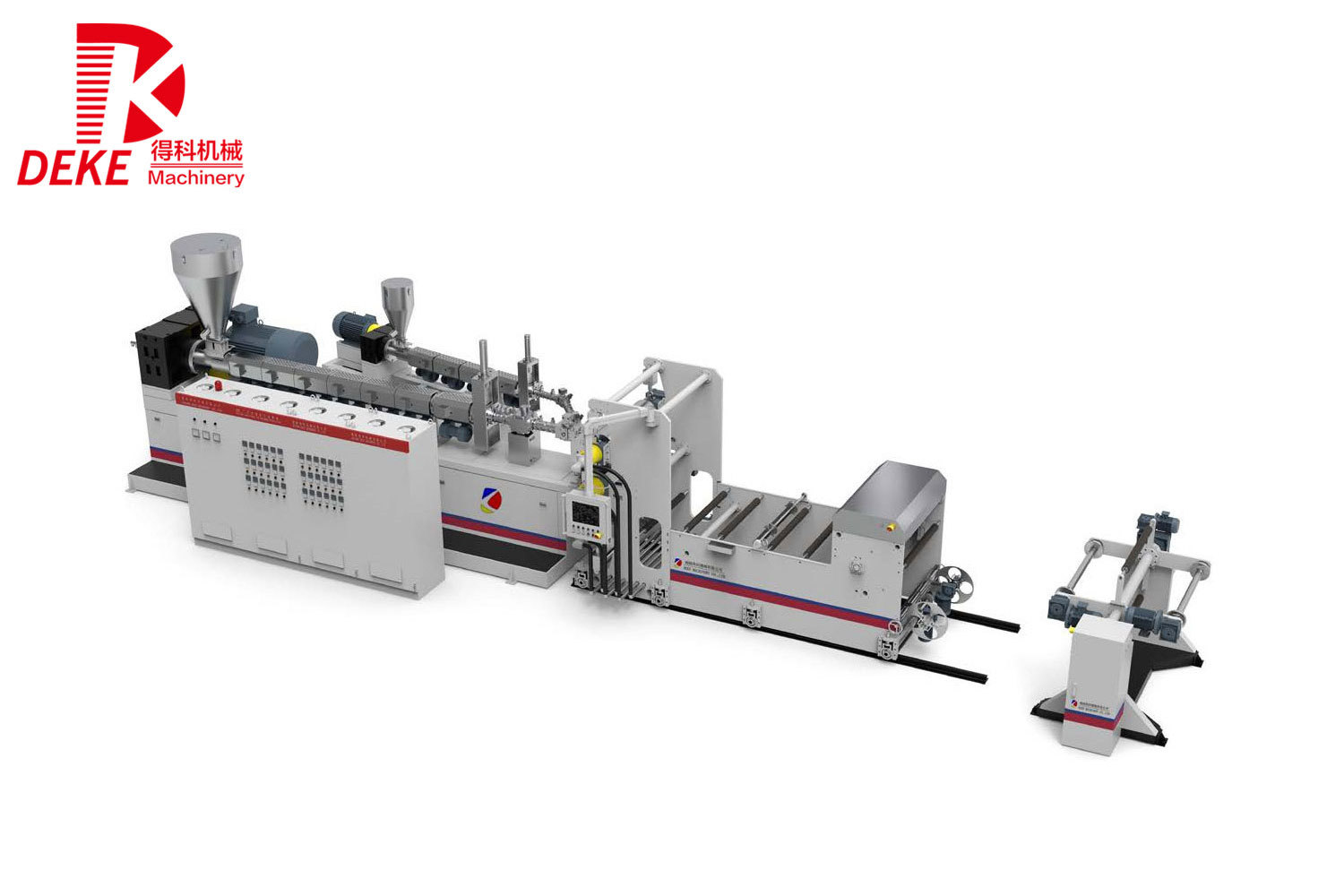
Understanding the Role of Twin Screw Extruders in Modern Compounding
In the manufacturing and processing of plastics, the importance of high-quality machinery cannot be overstated. Among these machines, **twin screw extruders** have emerged as a pivotal technology, particularly in modern compounding processes. This article delves into their functionality, advantages, and the various applications they serve, providing a comprehensive understanding of why these machines are essential in today’s material processing landscape.
Table of Contents
1. Introduction to Twin Screw Extruders
2. What is Compounding?
3. Design Features of Twin Screw Extruders
3.1. Screws and Barrels
3.2. Temperature Control Systems
3.3. Feeding Systems
4. Advantages of Twin Screw Extruders in Compounding
4.1. Enhanced Mixing and Homogeneity
4.2. Improved Material Processing
4.3. Versatility in Material Handling
5. Applications of Twin Screw Extruders
5.1. Polymer Blending
5.2. Masterbatch Production
5.3. Recycling Applications
6. Challenges and Considerations
7. Future Trends in Twin Screw Extruder Technology
8. Conclusion
9. Frequently Asked Questions (FAQs)
1. Introduction to Twin Screw Extruders
Twin screw extruders, as the name suggests, consist of two intermeshing screws that rotate within a barrel. This design allows for a unique blend of **efficient material transport**, **mixing**, and **reaction** capabilities, making them popular in various industrial applications. Their continuous operation and adaptability to different materials provide manufacturers with an invaluable tool for productivity.
2. What is Compounding?
Compounding is the process of combining different raw materials to create a new material with specific properties. This process is crucial in the plastics industry, where various additives, fillers, and polymers are mixed to achieve desired characteristics such as **strength**, **flexibility**, and **thermal stability**. Twin screw extruders play a significant role in this process by ensuring thorough mixing and consistent material properties.
3. Design Features of Twin Screw Extruders
Understanding the intricate design features of twin screw extruders is key to appreciating their effectiveness in compounding.
3.1. Screws and Barrels
The **screws** in twin screw extruders are designed to facilitate various functions, such as conveying, mixing, and shearing of the material. Their geometry can be customized according to the specific requirements of the compounding process. The **barrel** houses the screws and is designed to provide optimal temperature control and material flow.
3.2. Temperature Control Systems
Temperature control is crucial in compounding, as it affects the processing of materials. Twin screw extruders are equipped with advanced **temperature control systems**, allowing precise regulation of the heat to ensure optimal processing conditions and to prevent material degradation.
3.3. Feeding Systems
The efficiency of twin screw extruders is greatly influenced by their **feeding system**. These systems must ensure a consistent and uniform feed of materials into the extruder, which is vital for achieving the desired mixing and compounding outcomes.
4. Advantages of Twin Screw Extruders in Compounding
Twin screw extruders offer several advantages that make them indispensable in modern compounding processes.
4.1. Enhanced Mixing and Homogeneity
One of the primary benefits of twin screw extruders is their ability to provide **superior mixing** and **homogeneity**. The intermeshing design of the screws allows for continuous shear and mixing, leading to a uniform distribution of additives and fillers within the polymer matrix.
4.2. Improved Material Processing
With their precise control over temperature and pressure, twin screw extruders enable improved processing of materials. This results in better **melt quality** and **flow characteristics**, which are essential for high-quality end products.
4.3. Versatility in Material Handling
Twin screw extruders are highly versatile and can process a wide range of materials, from thermoplastics to thermosets. This adaptability allows manufacturers to produce a variety of products using the same machine, reducing costs and increasing efficiency.
5. Applications of Twin Screw Extruders
The applications of twin screw extruders are vast and varied, spanning multiple industries.
5.1. Polymer Blending
In the realm of polymer blending, twin screw extruders are used to create custom blends that meet specific performance requirements. This includes the development of specialty polymers with unique properties.
5.2. Masterbatch Production
Masterbatch production is another significant application of twin screw extruders. These machines efficiently mix pigments and additives into a polymer base, resulting in concentrated formulations that can be easily diluted during the final processing stages.
5.3. Recycling Applications
Twin screw extruders also play a critical role in recycling applications. They are employed to process post-consumer plastics, allowing for the recovery and reuse of materials, thereby contributing to sustainability in the industry.
6. Challenges and Considerations
While twin screw extruders offer numerous benefits, there are challenges to consider. These include:
- **Initial Investment Costs**: Twin screw extruders tend to have a higher initial cost compared to single screw extruders.
- **Operational Complexity**: The operation and maintenance of twin screw extruders require skilled personnel, which can be a barrier for some manufacturers.
- **Wear and Tear**: The intricate designs of screws and barrels can lead to wear over time, necessitating regular maintenance and potentially increasing operational costs.
7. Future Trends in Twin Screw Extruder Technology
The future of twin screw extruder technology looks promising, with advancements aimed at increasing efficiency and reducing energy consumption. Innovations in automation and control systems are expected to enhance the precision and ease of operation, allowing for even greater versatility in processing a wider range of materials.
8. Conclusion
Twin screw extruders are vital to the modern compounding landscape, enabling manufacturers to create high-quality materials that meet the demands of various applications. Their distinctive design, combined with their numerous advantages, makes them an essential piece of equipment in the machinery and manufacturing sectors. As technology continues to evolve, twin screw extruders will undoubtedly play a critical role in shaping the future of material processing.
9. Frequently Asked Questions (FAQs)
What is the main function of a twin screw extruder?
The main function of a twin screw extruder is to mix and process materials effectively, ensuring consistent quality and performance in the final product.
How does a twin screw extruder differ from a single screw extruder?
Twin screw extruders have two intermeshing screws that provide superior mixing and material handling compared to single screw extruders, which have only one screw.
What types of materials can be processed using twin screw extruders?
Twin screw extruders can process a wide range of materials, including thermoplastics, thermosets, and various additives and fillers.
Are twin screw extruders suitable for recycling applications?
Yes, twin screw extruders are highly effective in recycling applications, allowing for the processing of post-consumer plastics into reusable materials.
What are the future trends for twin screw extruder technology?
Future trends include advancements in automation, energy efficiency, and increased versatility in processing materials, enhancing the overall effectiveness of twin screw extruders in manufacturing.
Previous Page:
RELATED INFORMATION

Why Choose Conical Twin Screw for Your Next Extrusion Project?
Why Choose Conical Twin Screw for Your Next Extrusion Project? Understanding Extrusion Technology In the realm of **plastic processing**, extrusion is an essential manufacturing technique that transforms raw plastic materials into usable products. The **extrusion process** involves forcing molten plastic through a die to create continuous shapes like sheets, films, and profiles. With advancements
Understanding the Advantages of Counter Rotating Twin Screw Extruders for Plastic Processing
Counter rotating twin screw extruders are pivotal in the plastic processing industry, recognized for their versatility and efficiency. Unlike single screw extruders, twin screw extruders feature two intermeshing screws that rotate in opposite directions. This design allows for enhanced material handling and processing capabilities, making them suitable for a wide array of applications. One of the

Website

Copyright©Jieyang Deke Machinery Co., Ltd.