
The Comprehensive Advantages of Automation in Conical Twin Screw Extruder Operations
2025-02
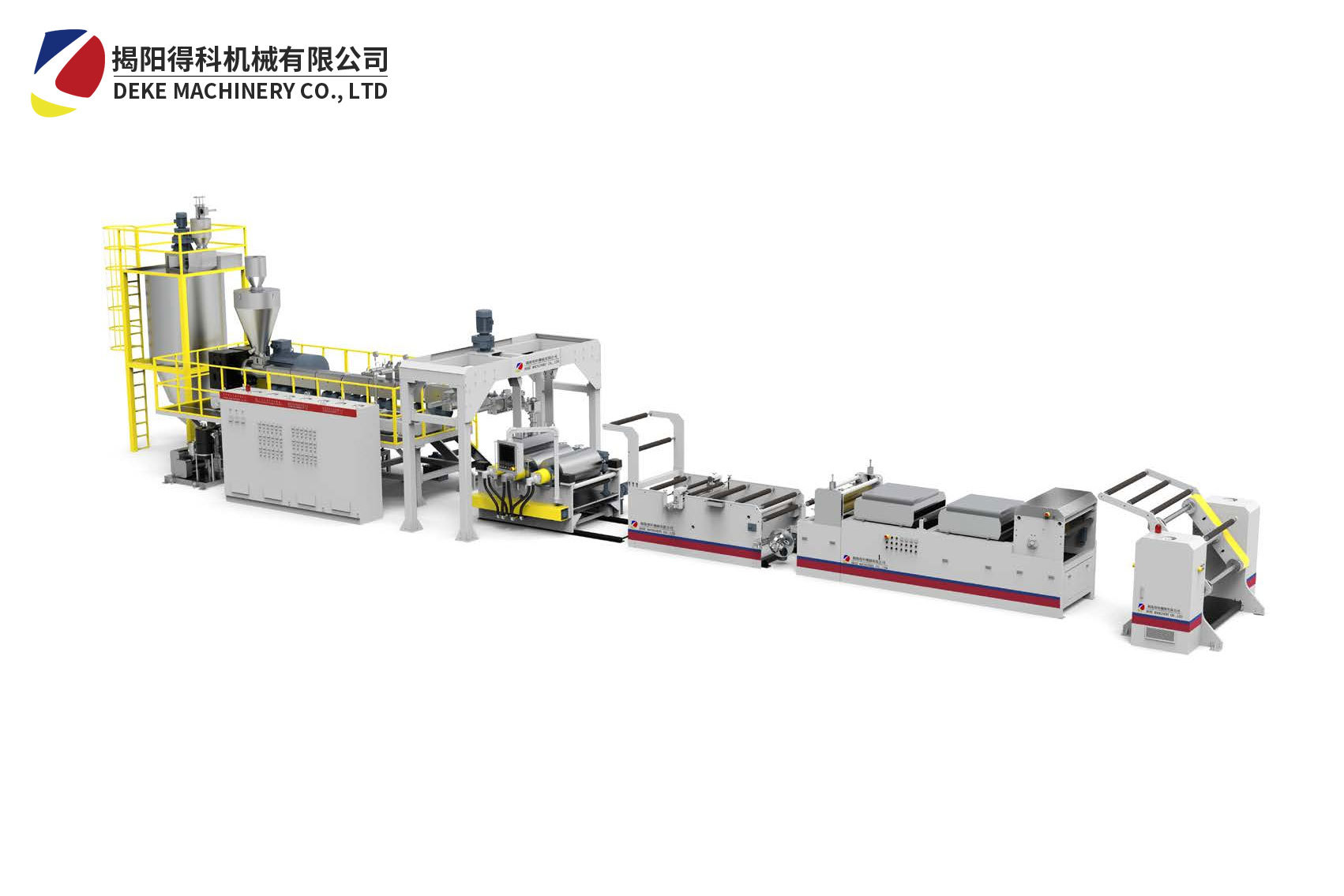
The Comprehensive Advantages of Automation in Conical Twin Screw Extruder Operations
Table of Contents
- 1. Introduction to Conical Twin Screw Extruders
- 2. The Transformative Benefits of Automation
- 3. Increased Efficiency and Throughput
- 4. Enhanced Quality Control
- 5. Reduction in Operating Costs
- 6. Decreased Labor Dependence
- 7. Flexibility and Adaptability in Production
- 8. Environmental Benefits of Automation
- 9. The Future of Automation in the Industry
- 10. Frequently Asked Questions
- 11. Conclusion
1. Introduction to Conical Twin Screw Extruders
Conical twin screw extruders are paramount in the plastics processing industry, renowned for their ability to mix, melt, and shape materials uniformly. They operate by feeding raw materials through a series of screws that rotate within a heated barrel, allowing for precise control over the extrusion process. The combination of heat and shear forces helps achieve consistent product quality, making them ideal for various applications, including food packaging, automotive components, and medical devices. With the advent of modern technology, **automation** has emerged as a powerful tool in enhancing the performance and reliability of these machines.
2. The Transformative Benefits of Automation
The implementation of automation in conical twin screw extruder operations offers a multitude of benefits that significantly enhance productivity and efficiency. By integrating automated controls, manufacturers can streamline processes, improve accuracy, and reduce waste. Let's delve into some of the notable advantages.
3. Increased Efficiency and Throughput
Automation optimizes production processes, leading to increased efficiency. Automated systems can manage operations with precision, ensuring that each phase of the extrusion process is executed flawlessly. This results in:
- **Higher Throughput**: Automated systems can operate continuously without breaks, increasing the volume of output.
- **Reduced Downtime**: Automation minimizes human error, thereby decreasing the likelihood of machine malfunctions and production halts.
- **Optimized Production Scheduling**: With real-time monitoring and adjustments, automated systems can adapt to changing production demands swiftly.
As a direct consequence, manufacturers witness a significant boost in overall throughput and operational performance.
4. Enhanced Quality Control
Quality control is critical in the plastics industry, where product consistency and reliability are paramount. Automation provides robust solutions for maintaining high-quality standards:
- **Consistent Output**: Automated systems ensure uniform feeding and processing of materials, resulting in consistently high-quality products.
- **Real-time Monitoring**: Automation allows for continuous monitoring of various parameters (temperature, pressure, and screw speed) to maintain the desired quality.
- **Data-Driven Adjustments**: Automated systems can automatically adjust settings based on real-time feedback, ensuring that any deviations from quality standards are promptly addressed.
By enhancing quality control measures, manufacturers can reduce the number of defective products, saving costs associated with rework and returns.
5. Reduction in Operating Costs
While the initial investment in automation technology may seem substantial, the long-term savings are undeniable. Automating conical twin screw extruder operations leads to:
- **Lower Energy Consumption**: Automated systems can optimize energy use based on production needs, reducing overall energy costs.
- **Material Savings**: With precise controls, automated systems minimize waste generated during the extrusion process, leading to significant material savings.
- **Long-term ROI**: The reduction in operating costs and increase in efficiency ultimately contribute to a favorable return on investment.
Incorporating automation can thus create a more financially sustainable operation.
6. Decreased Labor Dependence
Labor costs constitute a significant portion of manufacturing expenses. Automation reduces the dependency on human labor, leading to:
- **Streamlined Operations**: Machines can perform repetitive tasks with high precision, freeing up human operators to focus on more complex responsibilities.
- **Reduced Labor Costs**: As automation takes over menial tasks, companies can minimize labor costs without sacrificing quality or output.
- **Improved Worker Safety**: By reducing the need for human intervention in potentially hazardous environments, automation enhances workplace safety.
This shift not only optimizes operations but also contributes to a more efficient workforce allocation.
7. Flexibility and Adaptability in Production
In today’s fast-paced manufacturing environment, flexibility is vital. Automated systems provide the ability to:
- **Quickly Adapt to New Products**: Automation allows for rapid reconfiguration of machines, enabling manufacturers to switch between products with minimal downtime.
- **Customized Production Runs**: Automated systems can handle small-batch productions efficiently, catering to niche markets or specialized customer needs.
- **Integration with Industry 4.0 Technologies**: Automation facilitates compatibility with IoT devices, allowing for smarter manufacturing processes.
This level of adaptability enhances market responsiveness and positions companies to meet evolving customer demands.
8. Environmental Benefits of Automation
Sustainability is becoming increasingly important in manufacturing. Automation contributes to environmental conservation through:
- **Efficient Resource Utilization**: By minimizing waste, automated systems promote sustainability in raw material usage.
- **Lower Emissions**: Enhanced energy efficiency leads to reduced carbon footprints, aligning manufacturing operations with environmental regulations.
- **Recycling and Reuse**: Automated systems can better manage recycling processes, ensuring that materials are repurposed effectively.
By adopting automation, companies can bolster their sustainability initiatives and appeal to environmentally-conscious consumers.
9. The Future of Automation in the Industry
The future of automation in conical twin screw extruder operations looks promising. As technology advances, we anticipate:
- **Integration of AI and Machine Learning**: These technologies will enable even more intelligent systems that can predict maintenance needs, enhancing uptime.
- **Greater Customization**: Automation will allow for more tailored solutions, catering to specific processing needs and market trends.
- **Enhanced Data Analytics**: The utilization of big data will empower manufacturers to make informed decisions, optimizing processes and improving product quality.
As the industry evolves, staying ahead of the curve in automation technology will be crucial for manufacturers seeking to maintain a competitive edge.
10. Frequently Asked Questions
1. What is a conical twin screw extruder?
A conical twin screw extruder is a machine used in the plastics processing industry that features two intermeshing screws designed to mix, melt, and shape materials efficiently.
2. How does automation improve productivity in manufacturing?
Automation enhances productivity by optimizing processes, reducing downtime, and allowing for continuous operation, which results in higher output levels.
3. What are the cost benefits of automating extrusion processes?
Automating extrusion processes can lead to lower energy consumption, reduced material waste, and decreased labor costs, ultimately resulting in improved profitability.
4. Is automation suitable for small and medium-sized enterprises (SMEs)?
Yes, automation can be tailored to fit the needs of SMEs, providing scalability and flexibility that help these businesses compete in the market.
5. How can companies implement automation in existing systems?
Companies can implement automation by upgrading current machinery with automated controls, integrating IoT devices, and training staff to manage new systems effectively.
11. Conclusion
The benefits of automation in conical twin screw extruder operations are profound and far-reaching. By embracing automation, manufacturers can achieve enhanced efficiency, improved product quality, and significant cost reductions. Moreover, the environmental advantages and increased adaptability offered by automation position companies for future growth and sustainability. As technology continues to advance, investing in automation will not only streamline operations but also secure a competitive advantage in the ever-evolving plastics processing industry. Embracing these innovations is not just a choice; it’s a strategic necessity for thriving in today’s market landscape.
Previous Page:
RELATED INFORMATION

Why Choose Conical Twin Screw for Your Next Extrusion Project?
Why Choose Conical Twin Screw for Your Next Extrusion Project? Understanding Extrusion Technology In the realm of **plastic processing**, extrusion is an essential manufacturing technique that transforms raw plastic materials into usable products. The **extrusion process** involves forcing molten plastic through a die to create continuous shapes like sheets, films, and profiles. With advancements
Understanding the Advantages of Counter Rotating Twin Screw Extruders for Plastic Processing
Counter rotating twin screw extruders are pivotal in the plastic processing industry, recognized for their versatility and efficiency. Unlike single screw extruders, twin screw extruders feature two intermeshing screws that rotate in opposite directions. This design allows for enhanced material handling and processing capabilities, making them suitable for a wide array of applications. One of the

Website

Copyright©Jieyang Deke Machinery Co., Ltd.