
Unlocking the Potential of Twin Screw Compounding Machines in Plastic Processing
2025-02
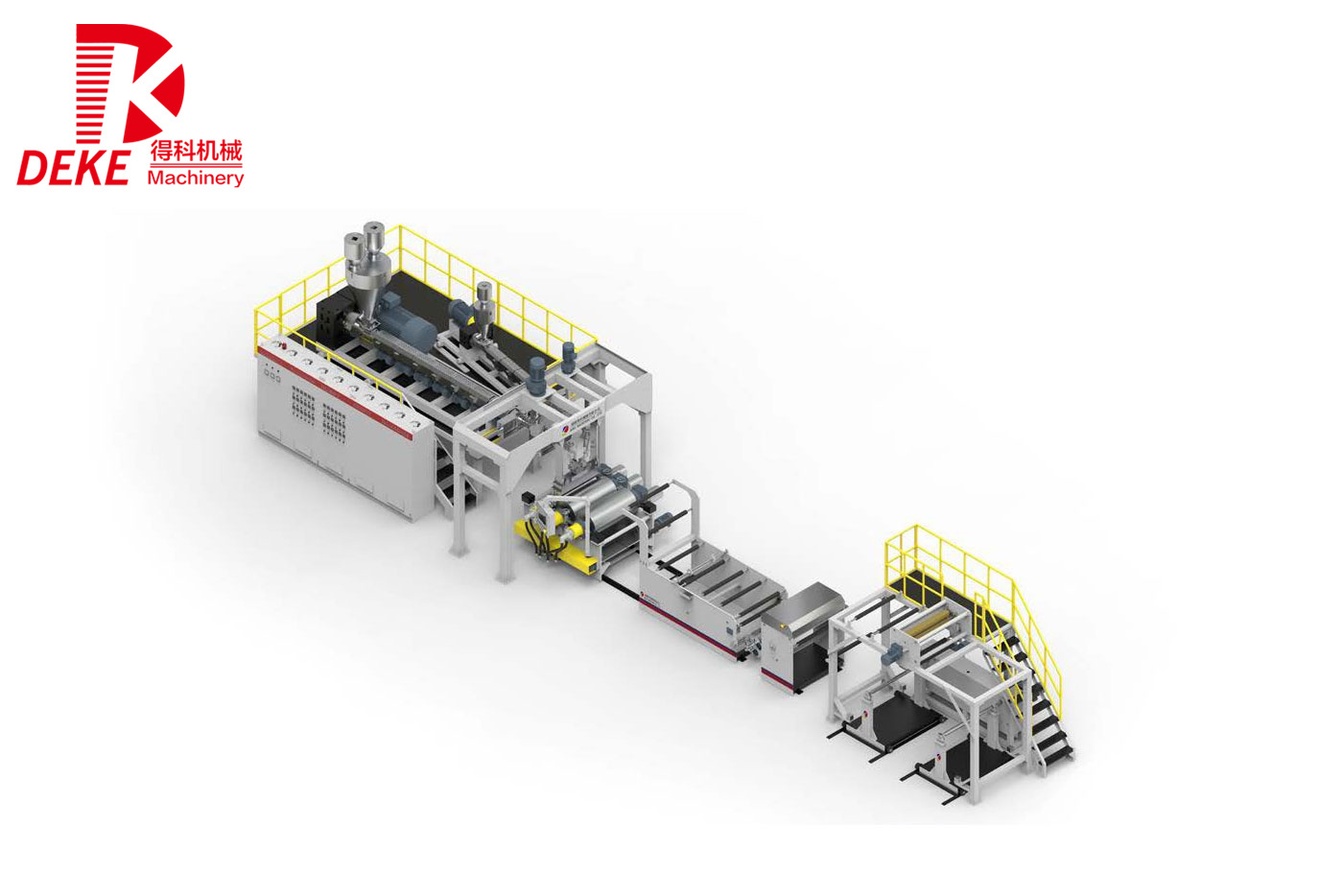
Unlocking the Potential of Twin Screw Compounding Machines in Plastic Processing
Table of Contents
- 1. Introduction to Twin Screw Compounding Machines
- 2. What is a Twin Screw Compounding Machine?
- 3. Advantages of Twin Screw Compounding in Plastic Processing
- 4. Applications of Twin Screw Compounding Machines in the Industry
- 5. Working Principle of Twin Screw Compounding Machines
- 6. Comparison with Single Screw Extruders
- 7. Future Trends in Twin Screw Compounding Technology
- 8. Frequently Asked Questions
- 9. Conclusion
1. Introduction to Twin Screw Compounding Machines
In recent years, the plastic processing industry has witnessed significant technological advancements, particularly with the introduction of twin screw compounding machines. These machines offer unparalleled benefits, including enhanced mixing capabilities, increased productivity, and improved product quality. They integrate seamlessly into various applications, making them a preferred choice for manufacturers aiming to optimize their production processes.
2. What is a Twin Screw Compounding Machine?
A **twin screw compounding machine** consists of two intermeshing screws that rotate in the same or opposite direction. This design facilitates effective mixing, compounding, and extrusion of various plastic materials. Unlike traditional single screw extruders, twin screw machines can handle a broader range of materials and additives, making them ideal for producing complex formulations.
The Components of Twin Screw Compounding Machines
Twin screw machines typically consist of several essential components:
- **Feeding System**: Ensures uniform material input.
- **Barrel**: Houses the screws and provides necessary heating or cooling.
- **Screws**: Designed for mixing, conveying, and melting materials.
- **Drive System**: Powers the rotation of the screws.
- **Die**: Shapes the final product during extrusion.
3. Advantages of Twin Screw Compounding in Plastic Processing
The use of twin screw compounding machines provides several advantages over traditional methods:
3.1 Enhanced Mixing and Compounding
The intermeshing design of twin screws allows for more effective mixing of additives, fillers, and polymers, resulting in a homogenous final product. This is crucial for applications requiring precise material properties.
3.2 Greater Flexibility
These machines can handle a diverse range of materials, including thermoplastics, elastomers, and bio-based polymers. This versatility enables manufacturers to adapt quickly to market demands.
3.3 Improved Thermal Control
Twin screw compounding machines provide superior temperature management, allowing for better control over the melting and processing of materials. This leads to enhanced product quality and reduced degradation of heat-sensitive components.
3.4 Increased Throughput and Efficiency
With higher processing speeds and the ability to continuously extrude materials, twin screw machines can significantly boost production rates, meeting the growing demand for plastic products.
3.5 Lower Energy Consumption
Due to their efficient design and operation, twin screw compounding machines often consume less energy compared to single screw extruders, resulting in cost savings for manufacturers.
4. Applications of Twin Screw Compounding Machines in the Industry
Twin screw compounding machines find a wide range of applications across various sectors of the plastic processing industry:
4.1 Production of Polymer Blends
These machines are ideal for producing blends of different polymers, enhancing the properties of the final product.
4.2 Masterbatch Production
Twin screw compounding is commonly used to create masterbatches, which are concentrated mixtures of pigments or additives that can be easily incorporated into plastics during processing.
4.3 Recycling of Plastics
The ability to process a variety of materials makes twin screw machines suitable for recycling applications, enabling the efficient reprocessing of post-consumer plastics.
4.4 Production of Specialty Compounds
Twin screw compounding machines are essential in developing specialty compounds, such as flame-retardant or heat-resistant materials, which require precise formulation and mixing.
5. Working Principle of Twin Screw Compounding Machines
The operation of twin screw compounding machines hinges on several key principles:
5.1 Material Feeding
Materials are fed into the machine through a hopper, where they enter the barrel.
5.2 Conveying and Mixing
As the screws rotate, they convey the materials forward while simultaneously mixing and melting them. The unique design allows for intense shear and compounding action.
5.3 Temperature Control
Heating or cooling elements integrated into the barrel maintain optimal processing temperatures, ensuring the materials are processed effectively without degradation.
5.4 Extrusion and Shaping
Finally, the compounded material is extruded through a die, which shapes the final product according to specifications.
6. Comparison with Single Screw Extruders
While both twin screw and single screw extruders serve the purpose of processing plastics, there are critical differences:
6.1 Mixing Capabilities
Twin screw machines excel in mixing capabilities, making them better suited for complex formulations compared to single screw units.
6.2 Processing Range
Twin screw extruders can process a wider variety of materials, including those that are difficult to process with single screw machines.
6.3 Energy Efficiency
Typically, twin screw machines are designed to be more energy-efficient, leading to lower production costs over time.
7. Future Trends in Twin Screw Compounding Technology
The landscape of twin screw compounding technology is continually evolving. Some emerging trends include:
7.1 Automation and Industry 4.0
As automation and smart manufacturing technologies advance, twin screw machines are increasingly equipped with sensors and AI-driven controls for enhanced precision and efficiency.
7.2 Sustainable Practices
With rising environmental concerns, the industry is focusing on developing sustainable materials and recycling processes, where twin screw compounding plays a vital role.
7.3 Integration of Additive Manufacturing
As additive manufacturing becomes more prevalent, twin screw compounding machines will likely incorporate new technologies to produce innovative materials tailored for 3D printing applications.
8. Frequently Asked Questions
8.1 What materials can be processed with twin screw compounding machines?
Twin screw compounding machines can process a variety of materials, including thermoplastics, elastomers, and different additives.
8.2 How does the cost of twin screw compounding machines compare to single screw extruders?
Although twin screw compounding machines may have a higher initial investment, their efficiency and versatility often lead to cost savings in the long run.
8.3 Are twin screw compounding machines suitable for small-scale production?
Yes, twin screw compounding machines can be configured for both large-scale and small-scale production, making them versatile for various manufacturing needs.
8.4 What are the key maintenance requirements for twin screw compounding machines?
Regular inspections, lubrication, and monitoring of wear on screws and barrels are essential for maintaining optimal performance.
8.5 Can twin screw compounding machines be used for recycling plastics?
Yes, twin screw compounding machines are well-suited for recycling applications due to their ability to handle diverse materials and formulations.
9. Conclusion
The potential of twin screw compounding machines in plastic processing is immense. Their ability to efficiently mix, compound, and extrude a diverse range of materials sets them apart from traditional processing methods. As the industry continues to evolve, these machines are expected to play a pivotal role in developing innovative solutions that meet the demands of a rapidly changing market. By embracing the benefits and advancements of twin screw compounding technology, manufacturers can unlock new opportunities for growth and sustainability in the plastic processing sector.
RELATED INFORMATION

Why Choose Conical Twin Screw for Your Next Extrusion Project?
Why Choose Conical Twin Screw for Your Next Extrusion Project? Understanding Extrusion Technology In the realm of **plastic processing**, extrusion is an essential manufacturing technique that transforms raw plastic materials into usable products. The **extrusion process** involves forcing molten plastic through a die to create continuous shapes like sheets, films, and profiles. With advancements
Understanding the Advantages of Counter Rotating Twin Screw Extruders for Plastic Processing
Counter rotating twin screw extruders are pivotal in the plastic processing industry, recognized for their versatility and efficiency. Unlike single screw extruders, twin screw extruders feature two intermeshing screws that rotate in opposite directions. This design allows for enhanced material handling and processing capabilities, making them suitable for a wide array of applications. One of the

Website

Copyright©Jieyang Deke Machinery Co., Ltd.