
Why Choose a Twin Screw Compounding Machine for Your Manufacturing Needs?
2025-02
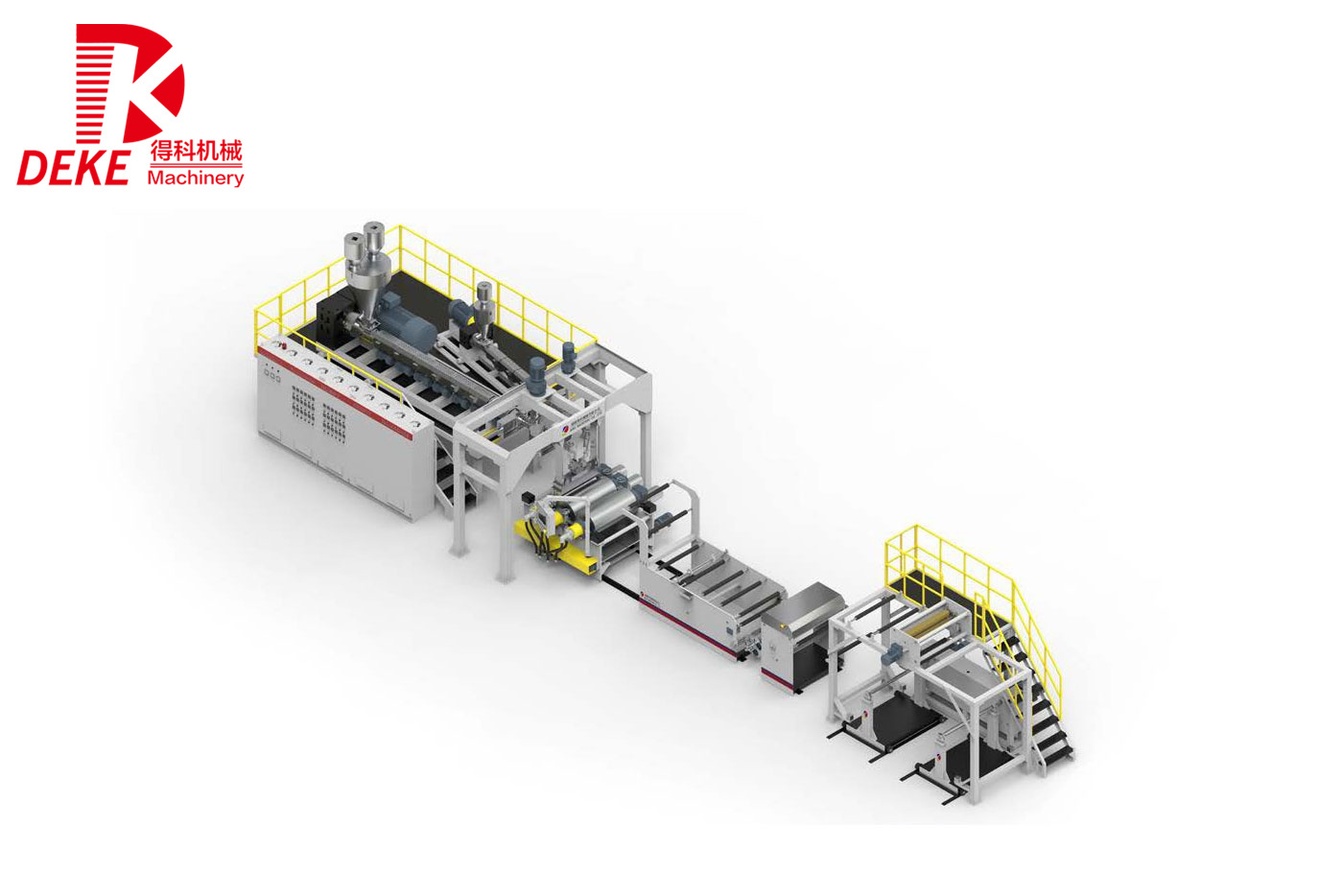
Why Choose a Twin Screw Compounding Machine for Your Manufacturing Needs?
Understanding Twin Screw Compounding Machines
Twin screw compounding machines play a pivotal role in the manufacturing of plastic products. These advanced machines are designed to mix, melt, and compound different materials effectively. They consist of two intermeshing screws that rotate simultaneously, ensuring a thorough blend of the components. This unique mechanism significantly improves the efficiency and quality of the final product, making them an essential piece of equipment in various industries, including automotive, packaging, and consumer goods.
Advantages of Twin Screw Compounding Machines
Enhanced Material Processing
One of the primary reasons manufacturers opt for twin screw compounding machines is their ability to handle a diverse range of materials. From thermoplastics to thermosetting polymers, these machines can process a multitude of compounds, including additives, fillers, and colorants. The intermeshing screw design allows for superior mixing and homogenization, resulting in consistent material properties and enhanced product performance.
Improved Production Efficiency
Efficiency is a critical factor in any manufacturing process. Twin screw compounding machines are engineered to optimize production rates while minimizing energy consumption. Their design facilitates continuous operation, meaning they can produce larger quantities of material in less time compared to single screw extruders. This capability not only boosts productivity but also reduces operational costs in the long run.
Customizable Processing Parameters
Another compelling reason to choose a twin screw compounding machine is their flexibility in processing parameters. Manufacturers can easily adjust temperature, pressure, and screw speed to meet specific requirements for different materials. This adaptability allows for the fine-tuning of the compounding process, resulting in products that meet stringent quality standards.
Key Features of Twin Screw Compounding Machines
Interchangeable Screw Designs
The ability to customize screw configurations is one of the standout features of twin screw compounding machines. Manufacturers can choose from various screw designs tailored to specific applications, whether for better shear rates, mixing efficiency, or material handling. This interchangeability ensures that the machine can be used for different production needs without significant additional investment.
Advanced Control Systems
Modern twin screw compounding machines come equipped with sophisticated control systems that allow for real-time monitoring and adjustments during the production process. Users can track critical parameters and make instant modifications, thus ensuring consistent quality and reducing the risk of material waste.
Enhanced Cooling and Heating Mechanisms
Thermal management is crucial in compounding processes to maintain material integrity. Twin screw compounding machines often integrate advanced cooling and heating systems that provide precise temperature control throughout the processing cycle. This feature is especially beneficial for temperature-sensitive materials, ensuring that they do not degrade during production.
Applications of Twin Screw Compounding Machines
Plastics Industry
In the plastics industry, twin screw compounding machines are indispensable. They are widely used for producing engineering plastics, masterbatches, and compounds that require uniform dispersion of additives and fillers. Their capability to accommodate different polymers makes them a preferred choice for manufacturers looking to innovate and meet diverse market needs.
Food Industry
Interestingly, twin screw compounding machines have found applications beyond plastics. In the food industry, they are utilized for producing various types of food products, including snacks and extruded cereals. The precise control over temperature and mixing parameters ensures that the ingredients are processed optimally, leading to superior taste and texture.
Pharmaceuticals and Cosmetics
The pharmaceutical and cosmetics industries also benefit from the use of twin screw compounding machines. They provide the necessary conditions for homogeneous mixing of active ingredients and excipients, crucial for product efficacy and stability. With stringent regulations governing these industries, the precision offered by twin screw systems is invaluable.
Cost Considerations for Twin Screw Compounding Machines
Initial Investment vs. Long-term Savings
While the initial purchase cost of a twin screw compounding machine might be higher compared to other options, the long-term benefits often outweigh these expenses. The enhanced efficiency, reduced downtime, and lower energy consumption contribute to significant savings over time. For manufacturers focused on maximizing ROI, investing in a twin screw system can be a game-changer.
Maintenance and Operational Costs
It is crucial to consider the maintenance and operational costs associated with twin screw compounding machines. Regular maintenance is essential to ensure optimal performance and longevity. However, due to their robust design and advanced technology, these machines often require less frequent repairs compared to older models, further contributing to overall cost savings.
Choosing the Right Twin Screw Compounding Machine
Assessing Your Manufacturing Needs
Before investing in a twin screw compounding machine, it is important to assess your specific manufacturing needs. Consider factors such as the types of materials you will be processing, production volume, and desired product specifications. Consulting with industry experts can provide valuable insights to ensure you select the right machine for your operations.
Evaluating Manufacturer Reputation and Support
When choosing a twin screw compounding machine, the reputation of the manufacturer is a key consideration. Look for manufacturers with a proven track record in the industry, known for producing reliable and efficient machines. Furthermore, ensure that they offer comprehensive support services, including installation, training, and technical assistance.
Future Trends in Twin Screw Compounding Technology
Smart Manufacturing Integration
As the manufacturing landscape evolves, the integration of smart technology into twin screw compounding machines is becoming increasingly prevalent. This trend includes the use of IoT sensors and data analytics to optimize production processes, improve machine performance, and enable predictive maintenance. Such innovations will further enhance the efficiency and reliability of these machines.
Sustainability in Manufacturing
Sustainability is at the forefront of modern manufacturing practices. Twin screw compounding machines are adapting to this trend by allowing for the processing of recycled materials and bio-based plastics. This capability not only contributes to reducing waste but also meets the growing consumer demand for environmentally friendly products.
Frequently Asked Questions (FAQs)
1. What materials can be processed using a twin screw compounding machine?
Twin screw compounding machines can process a variety of materials, including thermoplastics, thermosetting polymers, additives, colorants, and even some food products.
2. How does a twin screw compounding machine differ from a single screw extruder?
The primary difference lies in the design; twin screw machines have two intermeshing screws that provide better mixing and material handling, while single screw extruders have one screw and typically offer less mixing efficiency.
3. What are the operational costs associated with twin screw compounding machines?
Operational costs can vary, but they typically include energy consumption, maintenance, and labor. However, the efficiency of twin screw machines often leads to lower overall operational costs compared to other options.
4. Can twin screw compounding machines be customized for specific applications?
Yes, one of the key advantages of twin screw compounding machines is their ability to be customized with interchangeable screw designs and adjustable processing parameters to meet specific application needs.
5. What industries benefit most from twin screw compounding machines?
Industries such as plastics, food, pharmaceuticals, and cosmetics significantly benefit from twin screw compounding machines due to their versatility and efficiency in processing various materials.
Conclusion
Choosing a twin screw compounding machine for your manufacturing needs can be a transformative decision. With their advanced processing capabilities, customizable features, and efficiency in handling diverse materials, these machines stand out in the manufacturing landscape. By assessing your specific requirements and leveraging the benefits of twin screw technology, you can enhance product quality and operational efficiency, ultimately driving your business forward in a competitive market. Embracing this cutting-edge technology is not merely a choice; it’s a strategic move towards a more productive and innovative manufacturing future.
RELATED INFORMATION

Why Choose Conical Twin Screw for Your Next Extrusion Project?
Why Choose Conical Twin Screw for Your Next Extrusion Project? Understanding Extrusion Technology In the realm of **plastic processing**, extrusion is an essential manufacturing technique that transforms raw plastic materials into usable products. The **extrusion process** involves forcing molten plastic through a die to create continuous shapes like sheets, films, and profiles. With advancements
Understanding the Advantages of Counter Rotating Twin Screw Extruders for Plastic Processing
Counter rotating twin screw extruders are pivotal in the plastic processing industry, recognized for their versatility and efficiency. Unlike single screw extruders, twin screw extruders feature two intermeshing screws that rotate in opposite directions. This design allows for enhanced material handling and processing capabilities, making them suitable for a wide array of applications. One of the

Website

Copyright©Jieyang Deke Machinery Co., Ltd.