
Unlocking the Benefits of Using a Conical Screw Extruder in Plastic Processing
2025-02
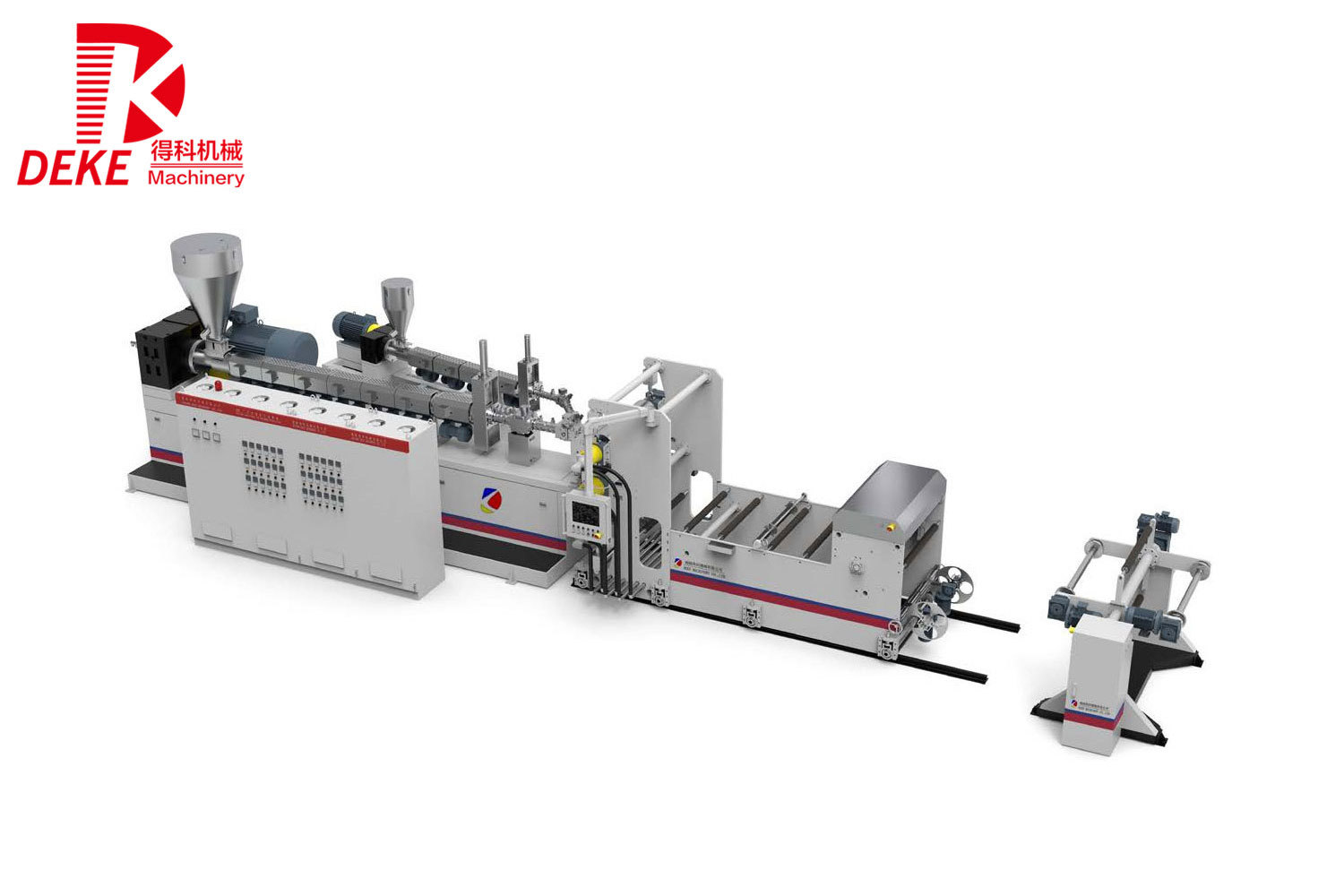
Unlocking the Benefits of Using a Conical Screw Extruder in Plastic Processing
Table of Contents
1. Introduction to Conical Screw Extruders
2. Understanding the Design and Functionality
3. Key Benefits of Conical Screw Extruders
3.1 Enhanced Material Mixing and Homogenization
3.2 Improved Processing Efficiency
3.3 Increased Output Quality and Consistency
3.4 Flexibility in Material Processing
3.5 Reduced Energy Consumption
4. Applications of Conical Screw Extruders in the Industry
5. Comparing Conical Screw Extruders with Other Extruder Types
6. Maintenance and Best Practices for Longevity
7. Future Trends in Extrusion Technology
8. Frequently Asked Questions (FAQs)
9. Conclusion
1. Introduction to Conical Screw Extruders
In the realm of plastic processing, the conical screw extruder stands out as a pivotal machinery component that caters to a wide array of applications. These sophisticated machines are specifically engineered to handle the complexities of various plastic materials, making them essential for manufacturers aiming for efficiency and quality. By leveraging a unique design that promotes optimal mixing and processing, conical screw extruders can significantly enhance production capabilities.
2. Understanding the Design and Functionality
A conical screw extruder employs a two-stage processing system, which consists of a feed zone and a metering zone. The conical shape of the screws allows for gradual material compression and improved flow characteristics. This design not only facilitates better mixing of additives and fillers but also ensures that the material experiences the right amount of shear and heat throughout the process. Engineers and operators benefit from the intuitive design, which makes it easier to troubleshoot and maintain the equipment.
3. Key Benefits of Conical Screw Extruders
Conical screw extruders offer a multitude of advantages that can significantly impact production efficiency and product quality.
3.1 Enhanced Material Mixing and Homogenization
One of the standout features of conical screw extruders is their exceptional ability to mix diverse materials thoroughly. This is crucial in applications requiring precise formulation of plastics. The unique geometry of the conical screws promotes uniform shear distribution, ensuring that additives are evenly integrated into the base material, leading to superior product characteristics.
3.2 Improved Processing Efficiency
Efficiency is a central concern in plastic processing. Conical screw extruders excel in this area by reducing cycle times and minimizing downtime. Their design allows for higher throughput without compromising quality. The effective heat transfer capabilities also facilitate faster melting and processing of materials, making them ideal for high-demand production environments.
3.3 Increased Output Quality and Consistency
Quality control is non-negotiable in plastic manufacturing. Conical screw extruders provide consistent output quality by maintaining uniform processing conditions. This results in products with fewer defects, reduced variability, and higher customer satisfaction. Manufacturers can achieve tighter tolerances and more reliable performance in their final products.
3.4 Flexibility in Material Processing
The versatility of conical screw extruders allows them to process a wide range of materials, from thermoplastics to thermosetting plastics. They can handle various additives, colors, and fillers, making them an attractive option for manufacturers who need to adapt to changing market demands. This flexibility enables companies to innovate and diversify their product lines effectively.
3.5 Reduced Energy Consumption
In an era where sustainability and cost-effectiveness are paramount, conical screw extruders offer an edge by consuming less energy compared to traditional extruders. Their optimized design reduces friction, enabling smoother operation and less energy expenditure. Manufacturers can benefit from lower operational costs while contributing to environmental stewardship.
4. Applications of Conical Screw Extruders in the Industry
Conical screw extruders are widely used across various sectors, including packaging, automotive, and consumer goods. Their adaptability makes them suitable for producing items such as films, sheets, and profiles. Additionally, they are integral in recycling processes, where they help in reprocessing plastics efficiently while maintaining material integrity.
5. Comparing Conical Screw Extruders with Other Extruder Types
When evaluating the effectiveness of conical screw extruders, it is essential to compare them with other types of extruders, such as single-screw and twin-screw extruders. While single-screw extruders are simpler and more cost-effective, they often lack the mixing capabilities required for complex formulations. Twin-screw extruders offer similar benefits to conical types but can be more expensive and may require more maintenance. Understanding these differences can help manufacturers make informed decisions about their equipment investments.
6. Maintenance and Best Practices for Longevity
To maximize the lifespan and performance of conical screw extruders, proper maintenance is crucial. Regular cleaning, lubrication of moving parts, and monitoring of wear components can prevent costly downtime. It is also beneficial to keep an eye on processing parameters to identify any anomalies early on. Training operators on best practices further enhances the reliability of these machines in production.
7. Future Trends in Extrusion Technology
The field of extrusion technology is continuously evolving, with innovations aimed at improving efficiency, sustainability, and material versatility. Future trends may include advancements in automation, enhanced control systems, and the integration of artificial intelligence to optimize processing parameters in real time. Staying abreast of these developments will enable manufacturers to maintain a competitive edge in the industry.
8. Frequently Asked Questions (FAQs)
1. What materials can be processed using conical screw extruders?
Conical screw extruders can process a wide range of materials, including thermoplastics, thermosetting plastics, and various additives.
2. How do conical screw extruders improve material mixing?
The conical shape allows for better shear distribution and gradual compression, facilitating thorough mixing of materials and additives.
3. Are conical screw extruders energy-efficient?
Yes, they are designed to reduce energy consumption by minimizing friction and optimizing heat transfer.
4. What industries commonly utilize conical screw extruders?
Common applications include packaging, automotive, consumer goods, and recycling industries.
5. How can I maximize the lifespan of my conical screw extruder?
Regular maintenance, proper cleaning, timely lubrication, and monitoring of processing parameters can significantly extend the lifespan of the equipment.
9. Conclusion
In summary, the **conical screw extruder** plays a vital role in **plastic processing**, offering unparalleled benefits that enhance efficiency, product quality, and operational flexibility. As industries evolve and demand for innovative solutions grows, embracing the advantages of conical screw technology will be essential for manufacturers aiming to thrive in a competitive landscape. By understanding and leveraging these benefits, companies can unlock new potentials in their production processes, ultimately leading to greater success and sustainability in the market.
Previous Page:
RELATED INFORMATION

Why Choose Conical Twin Screw for Your Next Extrusion Project?
Why Choose Conical Twin Screw for Your Next Extrusion Project? Understanding Extrusion Technology In the realm of **plastic processing**, extrusion is an essential manufacturing technique that transforms raw plastic materials into usable products. The **extrusion process** involves forcing molten plastic through a die to create continuous shapes like sheets, films, and profiles. With advancements
Understanding the Advantages of Counter Rotating Twin Screw Extruders for Plastic Processing
Counter rotating twin screw extruders are pivotal in the plastic processing industry, recognized for their versatility and efficiency. Unlike single screw extruders, twin screw extruders feature two intermeshing screws that rotate in opposite directions. This design allows for enhanced material handling and processing capabilities, making them suitable for a wide array of applications. One of the

Website

Copyright©Jieyang Deke Machinery Co., Ltd.