
How a Conical Screw Extruder Can Enhance Your Manufacturing Efficiency
2025-02
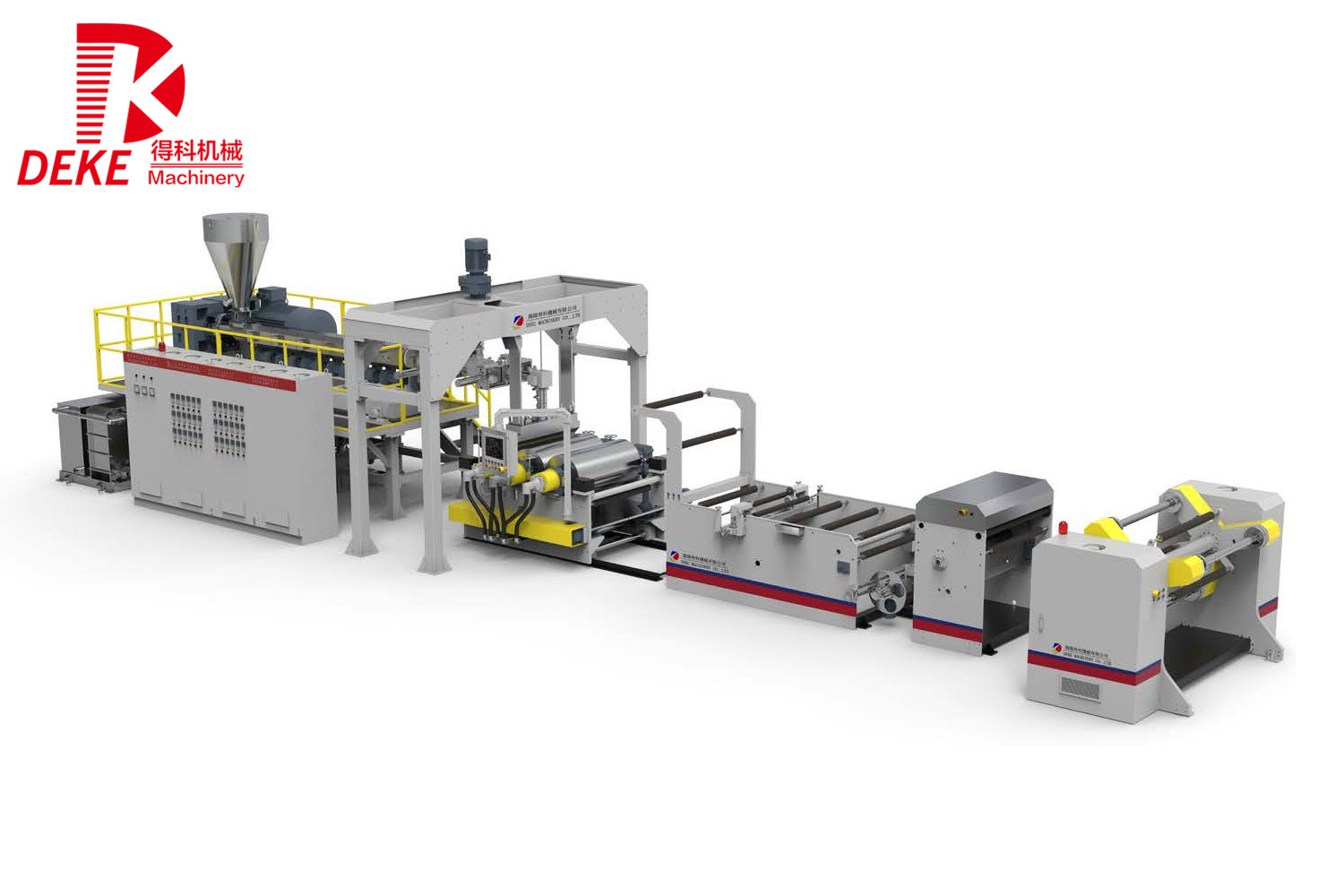
How a Conical Screw Extruder Can Enhance Your Manufacturing Efficiency
Manufacturing efficiency is a crucial aspect of any production process, especially in the plastic processing industry. One of the most significant advancements in this field is the **conical screw extruder**. This sophisticated machine can transform the way manufacturers operate, boosting productivity and product quality while minimizing waste. In this article, we delve deep into how a conical screw extruder can enhance your manufacturing efficiency, exploring its design, operation, benefits, and applications.
Table of Contents
1. Introduction to Conical Screw Extruders
2. Understanding the Design of a Conical Screw Extruder
3. How Conical Screw Extruders Work
4. Key Advantages of Using Conical Screw Extruders
5. Applications of Conical Screw Extruders in Manufacturing
6. Improving Production Efficiency with Conical Screw Extruders
7. Maintenance Tips for Conical Screw Extruders
8. Conclusion
9. Frequently Asked Questions
Introduction to Conical Screw Extruders
Conical screw extruders represent a significant leap in manufacturing technology, especially in the realm of **plastic processing machinery**. Unlike traditional extruders, which feature parallel screws, conical screw extruders utilize a tapered design that allows for more efficient material handling and processing. This innovative design leads to improved mixing, melting, and output of plastic materials, making it an essential tool for manufacturers looking to enhance their operations.
Understanding the Design of a Conical Screw Extruder
The design of a conical screw extruder is one of its key selling points. The conical shape of the screws enables a more efficient flow of material through the extruder. The screws are usually arranged at a slight angle, allowing for better melting and mixing of the plastic materials. Additionally, the design often includes multiple zones for temperature control, which ensures that materials are heated uniformly throughout the process.
The Components of a Conical Screw Extruder
A typical conical screw extruder consists of several critical components:
- **Screw Elements**: These are the heart of the extruder and are designed to convey, mix, and melt the material.
- **Barrel**: The barrel houses the screws and is equipped with heating elements to maintain the desired temperature during processing.
- **Feed Hopper**: This is where raw materials are introduced into the extruder.
- **Die**: The die shapes the extruded material into its final form.
- **Control Systems**: Modern conical screw extruders often incorporate sophisticated control systems for monitoring and adjusting process parameters.
How Conical Screw Extruders Work
The operation of a conical screw extruder can be broken down into several key stages:
1. **Feeding**: Raw plastic materials are fed into the extruder through the feed hopper. The materials can be in pellet, powder, or granulate form.
2. **Melting**: As the screws rotate, they transport the materials through the barrel, where they are heated to a specific temperature. The conical shape of the screws promotes efficient melting and mixing.
3. **Mixing**: The design of the screws allows for a thorough mixing of additives, colors, and other materials, resulting in a homogeneous melt.
4. **Extrusion**: The melted material is forced through the die, where it takes on the desired shape. This process can produce a wide range of products, from sheets to profiles.
5. **Cooling and Cutting**: After exiting the die, the extruded material is cooled and cut to the desired length.
Key Advantages of Using Conical Screw Extruders
Implementing a conical screw extruder in your manufacturing process offers numerous advantages:
1. Enhanced Efficiency
Conical screw extruders operate more efficiently than traditional models. Their design allows for better material flow and reduced energy consumption, leading to lower operational costs and higher output rates.
2. Improved Product Quality
The superior mixing and melting capabilities of conical screw extruders result in higher-quality products. The uniformity of the melt ensures consistent product specifications, reducing the likelihood of defects.
3. Reduced Material Waste
By improving the melting and mixing processes, conical screw extruders help minimize material waste. This is particularly beneficial in industries where high-quality raw materials are expensive.
4. Versatility
Conical screw extruders can handle various materials, including various polymers and additives. Their adaptability makes them suitable for different production requirements.
5. Simplified Maintenance
The design of conical screw extruders often allows for easier maintenance and cleaning compared to traditional extruders, ensuring minimal downtime in production.
Applications of Conical Screw Extruders in Manufacturing
Conical screw extruders find applications across various sectors, demonstrating their versatility and effectiveness:
1. Plastic Film and Sheet Production
In the production of plastic films and sheets, conical screw extruders ensure a consistent thickness and smooth surface finish, which are critical for downstream processing.
2. Pipe and Profile Extrusion
For the manufacturing of pipes and profiles, these extruders provide excellent control over the extrusion process, ensuring that products meet stringent dimensional tolerances.
3. Compounding and Masterbatch Production
In compounding applications, conical screw extruders allow for precise mixing of polymers and additives, resulting in high-quality masterbatches used in various applications.
4. Recycling Applications
Conical screw extruders are also used in recycling processes, where they can effectively process recycled plastics into usable forms, contributing to sustainability efforts.
Improving Production Efficiency with Conical Screw Extruders
To maximize the benefits of conical screw extruders, manufacturers should consider several strategies:
1. Optimize Process Parameters
Adjusting temperature, speed, and feed rates can significantly impact the efficiency of the extrusion process. Continuous monitoring and optimization of these parameters are crucial.
2. Regular Maintenance and Upkeep
Implementing a regular maintenance schedule can prevent unexpected downtime and ensure the extruder operates at peak efficiency.
3. Invest in Training
Providing training for operators on the specific features and capabilities of conical screw extruders can enhance production efficiency and reduce operational errors.
4. Utilize Automation
Incorporating automation in the extrusion process can streamline operations, reduce manual labor, and minimize the risk of human error.
Maintenance Tips for Conical Screw Extruders
Proper maintenance is essential to keep your conical screw extruder operating efficiently. Here are some tips:
1. Regular Cleaning
Clean the extruder regularly to prevent contamination and ensure product quality. This involves disassembling components and using appropriate cleaning agents.
2. Inspect Components
Routine inspection of screws, barrels, and dies can help identify wear and tear. Replace worn parts promptly to maintain performance.
3. Lubrication
Ensure that moving parts are adequately lubricated to reduce friction and wear, prolonging the life of the extruder.
4. Monitor Performance
Keep track of production metrics to identify any deviations in performance. Addressing these issues quickly can prevent larger problems down the line.
Conclusion
Incorporating a conical screw extruder into your manufacturing process presents a substantial opportunity to enhance efficiency, product quality, and operational flexibility. Its advanced design caters to various applications within the plastic processing industry, making it an invaluable asset for manufacturers striving for excellence. By understanding its workings, advantages, and maintenance needs, you can leverage the full potential of a conical screw extruder to optimize your production line.
Frequently Asked Questions
1. What materials can be processed with a conical screw extruder?
Conical screw extruders can process a wide range of materials, including various thermoplastics, additives, and recycled materials.
2. How does a conical screw extruder differ from a traditional extruder?
The primary difference lies in the design; conical screw extruders feature a tapered screw design that enhances material melting and mixing efficiency compared to parallel screw extruders.
3. What are the energy savings associated with using a conical screw extruder?
Conical screw extruders are designed for efficiency, often resulting in lower energy consumption due to their improved material flow and reduced operational times.
4. Can conical screw extruders be used for small batch production?
Yes, conical screw extruders can be adapted for small batch production, making them versatile tools for various manufacturing needs.
5. What maintenance practices are essential for conical screw extruders?
Essential maintenance practices include regular cleaning, inspection of components, lubrication of moving parts, and monitoring performance metrics regularly.
RELATED INFORMATION

Why Choose Conical Twin Screw for Your Next Extrusion Project?
Why Choose Conical Twin Screw for Your Next Extrusion Project? Understanding Extrusion Technology In the realm of **plastic processing**, extrusion is an essential manufacturing technique that transforms raw plastic materials into usable products. The **extrusion process** involves forcing molten plastic through a die to create continuous shapes like sheets, films, and profiles. With advancements
Understanding the Advantages of Counter Rotating Twin Screw Extruders for Plastic Processing
Counter rotating twin screw extruders are pivotal in the plastic processing industry, recognized for their versatility and efficiency. Unlike single screw extruders, twin screw extruders feature two intermeshing screws that rotate in opposite directions. This design allows for enhanced material handling and processing capabilities, making them suitable for a wide array of applications. One of the

Website

Copyright©Jieyang Deke Machinery Co., Ltd.