
The Future of Plastic Processing: Innovations in HIPS Sheet Co-Extrusion
2025-03
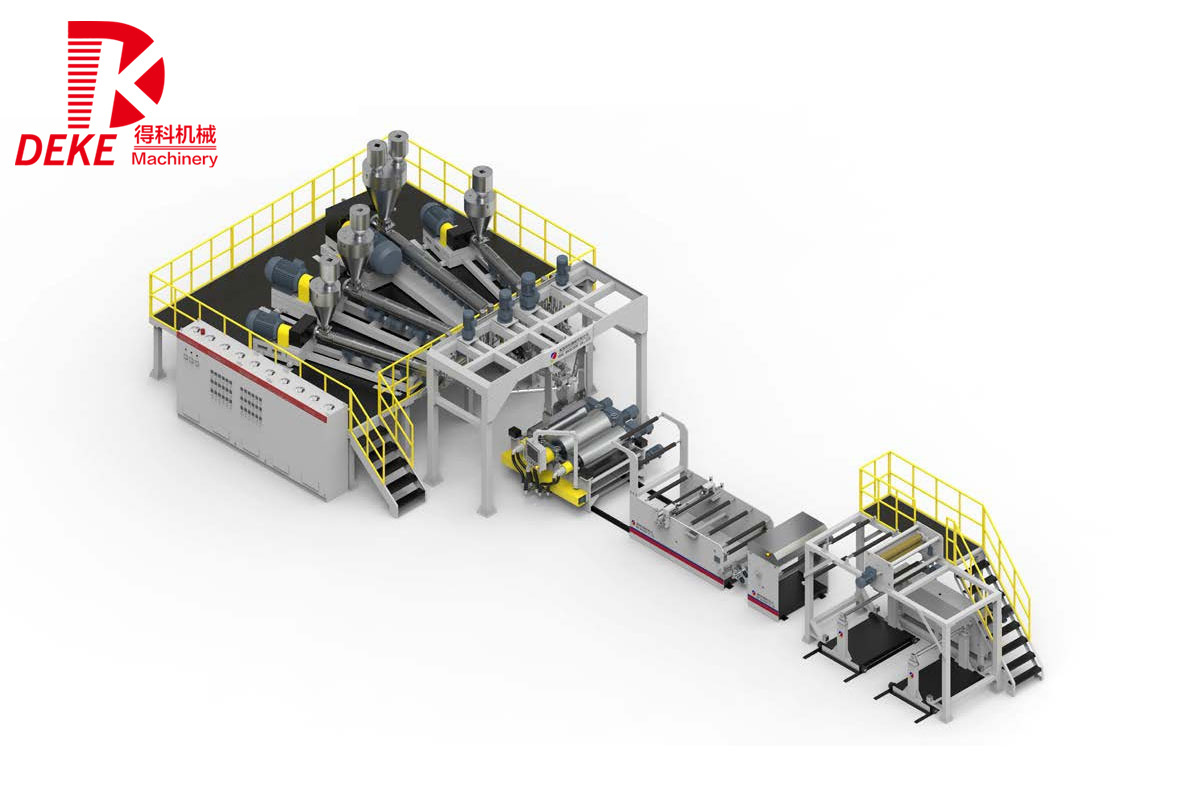
The Future of Plastic Processing: Innovations in HIPS Sheet Co-Extrusion
Table of Contents
- Introduction to HIPS and Co-Extrusion Technology
- Understanding High-Impact Polystyrene (HIPS)
- The Co-Extrusion Process Explained
- Advantages of HIPS Sheet Co-Extrusion
- Recent Innovations in HIPS Sheet Co-Extrusion
- Applications of HIPS Sheets in Various Industries
- Environmental Impact of HIPS Co-Extrusion
- Future Trends in Plastic Processing
- Frequently Asked Questions
- Conclusion
Introduction to HIPS and Co-Extrusion Technology
The plastic processing industry is on the brink of significant transformation, particularly with the advancements in **HIPS sheet co-extrusion** technology. This innovative method enables the production of high-performance plastic sheets that meet the increasing demands for durability, aesthetic appeal, and sustainability in various applications. The co-extrusion process allows manufacturers to create complex structures by layering different materials, enhancing not only the properties of the final product but also the efficiency of production.
In this article, we will delve into the intricacies of HIPS and co-extrusion technology, exploring their benefits, recent innovations, and future prospects.
Understanding High-Impact Polystyrene (HIPS)
High-Impact Polystyrene, commonly known as HIPS, is a versatile thermoplastic that combines the rigidity of polystyrene with the toughness of rubber. This unique blend results in a material that is not only lightweight but also possesses excellent impact resistance, making it ideal for a wide range of applications.
Properties of HIPS
HIPS exhibits several key properties that contribute to its popularity in the plastic processing industry:
- **Impact Resistance**: HIPS can withstand significant stress and impact without breaking, making it suitable for products that require durability.
- **Processability**: The material can be easily molded, extruded, and thermoformed, allowing for diverse manufacturing techniques.
- **Aesthetic Versatility**: HIPS can be produced in various colors and finishes, catering to consumer demands for visual appeal.
- **Cost-Effectiveness**: HIPS offers an economical solution for manufacturers seeking high-quality plastic products without incurring high material costs.
The Co-Extrusion Process Explained
Co-extrusion is a manufacturing process that involves the simultaneous extrusion of two or more different materials to form a single, multi-layered product. This method has gained traction in the production of HIPS sheets, as it allows for targeted functionality and aesthetics.
How Co-Extrusion Works
The co-extrusion process begins with the preparation of multiple extruders, each feeding a different material into a common die. The materials are heated and forced through the die simultaneously, resulting in a sheet that features distinct layers. The layers can be tailored to meet specific requirements, such as enhanced strength, UV resistance, or improved adhesion properties.
Key Components of the Co-Extrusion Process
- **Extruders**: Machines that melt and shape the plastic materials.
- **Die**: The tool that shapes the molten plastic into sheets or profiles.
- **Cooling Systems**: Essential for solidifying the extruded product quickly to maintain its shape.
- **Winding Equipment**: Used to collect and package the finished product for distribution.
Advantages of HIPS Sheet Co-Extrusion
The co-extrusion of HIPS sheets offers numerous advantages over traditional single-layer extrusion methods.
Enhanced Product Performance
By layering different materials, manufacturers can significantly improve the mechanical properties of their products. For example, a layer of high-impact polystyrene can be combined with a layer of UV-resistant material, creating a sheet that not only withstands physical stress but also resists degradation from sunlight.
Cost Efficiency and Material Savings
Co-extrusion minimizes material costs by allowing the use of less expensive core materials while maintaining a high-quality surface layer. This approach reduces waste and lowers overall production costs.
Customization and Versatility
Co-extrusion allows manufacturers to customize the thickness, color, and properties of each layer, providing endless possibilities for product design. This flexibility is crucial in meeting the ever-evolving demands of diverse industries.
Recent Innovations in HIPS Sheet Co-Extrusion
As the demand for advanced plastic solutions continues to grow, innovations in HIPS sheet co-extrusion technology are emerging at a rapid pace.
Smart Material Integration
One of the most notable trends involves integrating smart materials into HIPS sheets, enabling features such as temperature sensitivity or self-healing capabilities. This integration is paving the way for products that adapt to their environments, offering unprecedented functionality.
Sustainability Initiatives
With increasing awareness of environmental issues, manufacturers are exploring ways to incorporate recycled materials into their HIPS sheet products. Innovations in co-extrusion technology now allow for the effective use of post-consumer recycled plastics without compromising quality.
Advanced Automation and Control Systems
The adoption of Industry 4.0 practices is revolutionizing the co-extrusion process. Advanced automation systems enable real-time monitoring and control, leading to increased precision and efficiency in production. This technological evolution ensures consistency in product quality and reduces downtime.
Applications of HIPS Sheets in Various Industries
The versatility of HIPS sheets, particularly those produced through co-extrusion, has led to their widespread use across multiple sectors.
Packaging Industry
HIPS sheets are commonly used for food packaging due to their excellent moisture barrier properties and ability to be easily shaped into various forms.
Consumer Products
From household items to electronics, HIPS sheets are favored for their lightweight nature and impact resistance, making them ideal for products that require durability.
Automotive Sector
The automotive industry utilizes HIPS sheets for interior components due to their aesthetic appeal and ability to withstand the rigors of everyday use.
Construction and Building Materials
HIPS sheets are also employed in construction applications, particularly for cladding and roofing materials, as they offer significant thermal insulation and weather resistance.
Environmental Impact of HIPS Co-Extrusion
As the plastic processing industry evolves, the environmental implications of HIPS sheet co-extrusion cannot be overlooked.
Reduced Carbon Footprint
By utilizing recycled materials and optimizing production processes, manufacturers can significantly reduce their carbon emissions associated with HIPS sheet production.
End-of-Life Solutions
With advancements in recycling technologies, HIPS sheets produced through co-extrusion can now be more easily recycled, contributing to a circular economy and minimizing waste.
Future Trends in Plastic Processing
The future of plastic processing, particularly in the realm of HIPS sheet co-extrusion, is set to be shaped by several key trends.
Increased Focus on Biodegradable Materials
As sustainability becomes a priority, research into biodegradable alternatives to traditional plastics is gaining momentum. Future co-extruded products may incorporate bioplastics, offering a more environmentally friendly option.
Enhanced Digitalization
The integration of artificial intelligence and machine learning into the co-extrusion process will streamline operations, enhance product quality, and minimize human error.
Global Market Expansion
The increasing demand for HIPS sheets across emerging markets signifies a bright future for plastic processing technologies. As industries evolve, the need for innovative solutions will continue to drive growth and development in this sector.
Frequently Asked Questions
What is HIPS and why is it popular?
HIPS, or High-Impact Polystyrene, is a versatile thermoplastic known for its impact resistance, processability, and aesthetic versatility. Its cost-effectiveness and durability make it popular across various industries.
How does co-extrusion differ from traditional extrusion methods?
Co-extrusion involves the simultaneous extrusion of multiple materials, allowing for the creation of multi-layered products with enhanced properties, unlike traditional methods that typically involve a single material.
What are the environmental benefits of HIPS sheet co-extrusion?
HIPS sheet co-extrusion can lead to a reduced carbon footprint by utilizing recycled materials and optimizing production processes. Additionally, advancements in recycling technologies improve the end-of-life options for HIPS products.
In what industries are HIPS sheets commonly used?
HIPS sheets find applications in various industries, including packaging, consumer products, automotive, and construction, due to their versatility and performance characteristics.
What future trends can we expect in the HIPS processing industry?
Future trends may include increased focus on biodegradable materials, enhanced digitalization in manufacturing processes, and expansion into emerging markets as demand for innovative plastic solutions grows.
Conclusion
The innovations in HIPS sheet co-extrusion represent a pivotal development in the plastic processing industry. By combining high-impact durability with customization and sustainability, HIPS sheets are set to lead the charge in meeting the evolving demands of various sectors. As manufacturers continue to explore new technologies and materials, the future of plastic processing promises to be both exciting and transformative. Embracing these innovations will not only enhance product offerings but also contribute to a more sustainable and efficient manufacturing landscape.
RELATED INFORMATION

Why Choose Conical Twin Screw for Your Next Extrusion Project?
Why Choose Conical Twin Screw for Your Next Extrusion Project? Understanding Extrusion Technology In the realm of **plastic processing**, extrusion is an essential manufacturing technique that transforms raw plastic materials into usable products. The **extrusion process** involves forcing molten plastic through a die to create continuous shapes like sheets, films, and profiles. With advancements
Understanding the Advantages of Counter Rotating Twin Screw Extruders for Plastic Processing
Counter rotating twin screw extruders are pivotal in the plastic processing industry, recognized for their versatility and efficiency. Unlike single screw extruders, twin screw extruders feature two intermeshing screws that rotate in opposite directions. This design allows for enhanced material handling and processing capabilities, making them suitable for a wide array of applications. One of the

Website

Copyright©Jieyang Deke Machinery Co., Ltd.