
The Benefits of Automation in Micro Twin Screw Extruder Processes
2025-03
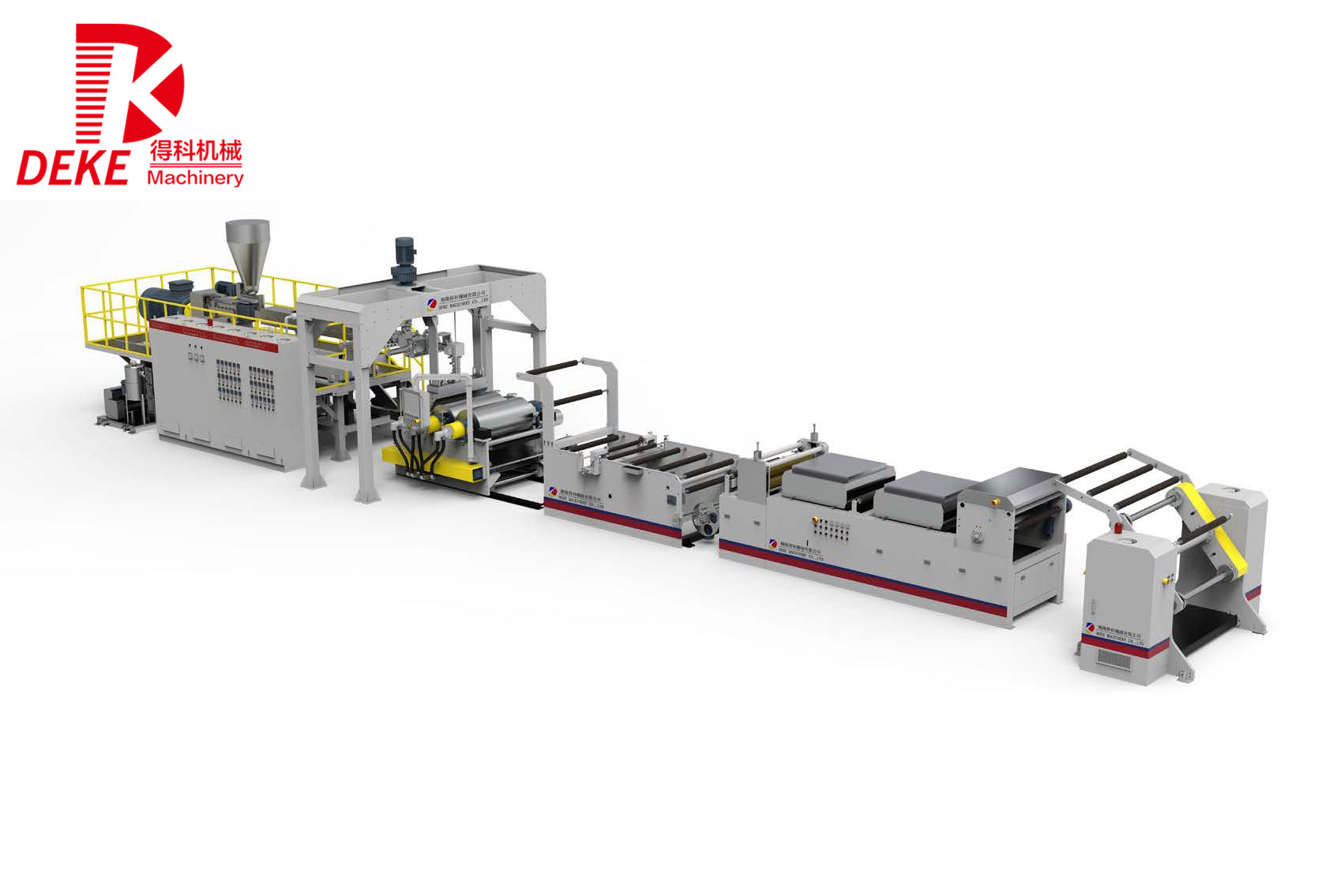
The Benefits of Automation in Micro Twin Screw Extruder Processes
In the ever-evolving world of manufacturing, **automation** stands out as a crucial element transforming traditional processes into highly efficient operations. This is particularly evident in the realm of **micro twin screw extruders**, where automation not only enhances productivity but also boosts precision and quality in plastic processing. This article delves deeply into the benefits of automation within micro twin screw extruder processes, examining its impact on efficiency, operational costs, product quality, and overall competitiveness in the industry.
Table of Contents
1. Introduction to Micro Twin Screw Extrusion
2. The Role of Automation in Manufacturing
3. Key Benefits of Automation in Micro Twin Screw Extruder Processes
3.1 Enhanced Operational Efficiency
3.2 Improved Precision and Quality Control
3.3 Reduction in Labor Costs
3.4 Greater Flexibility and Scalability
3.5 Data-Driven Decision Making
4. Implementing Automation in Micro Twin Screw Extruder Systems
5. Challenges and Considerations
6. Future Trends in Automation and Micro Twin Screw Extrusion
7. Conclusion
8. Frequently Asked Questions (FAQs)
1. Introduction to Micro Twin Screw Extrusion
Micro twin screw extrusion is a sophisticated process used primarily in the **plastic manufacturing industry** to produce a variety of materials, including polymers and composites. This technology employs two intermeshing screws that effectively mix, melt, and extrude materials with high precision. The process is characterized by its ability to handle small batch sizes and complex formulations, making it an ideal choice for specialized applications. However, to harness its full potential, the incorporation of automation is essential.
2. The Role of Automation in Manufacturing
Automation refers to the use of control systems, such as computers or robots, to manage and operate equipment in manufacturing plants. By minimizing human intervention, automation can significantly improve efficiency and consistency in production. In the context of micro twin screw extrusion, automation encompasses various aspects, including material feeding, process monitoring, and quality analysis, allowing manufacturers to streamline operations and reduce human error.
3. Key Benefits of Automation in Micro Twin Screw Extruder Processes
3.1 Enhanced Operational Efficiency
One of the most compelling benefits of automation in micro twin screw extruders is its ability to **enhance operational efficiency**. Automated systems can operate continuously, often around the clock, which dramatically increases production capacity. Moreover, automation reduces the time required for setup and changeover between different product runs, enabling manufacturers to respond swiftly to market demands.
3.2 Improved Precision and Quality Control
In micro twin screw extrusion, precision is paramount. Automated processes utilize advanced sensors and control algorithms that monitor parameters such as temperature, pressure, and flow rates in real time. This continuous feedback loop ensures that the extrusion process remains within specified tolerances, ultimately resulting in higher-quality products with fewer defects. Enhanced quality control not only improves the end product but also boosts customer satisfaction and brand reputation.
3.3 Reduction in Labor Costs
Labor costs can significantly impact the overall profitability of manufacturing operations. By automating micro twin screw extruder processes, companies can reduce their reliance on manual labor, thus lowering operational costs. Automation allows for the redeployment of skilled workers to more strategic roles, such as maintenance and process optimization, rather than repetitive tasks, resulting in a more efficient workforce.
3.4 Greater Flexibility and Scalability
The ability to quickly adapt to changing market demands is crucial in today’s fast-paced environment. Automation provides the flexibility needed to modify production processes without extensive downtime. Additionally, as businesses grow, automated systems can be easily scaled up to accommodate increased production volumes, making it a sustainable choice for future expansion.
3.5 Data-Driven Decision Making
Automation generates vast amounts of data regarding production processes, which can be analyzed to make informed decisions. This data-driven approach enables manufacturers to identify inefficiencies, track performance metrics, and implement continuous improvement initiatives. By leveraging data analytics, companies can further optimize their micro twin screw extrusion processes, leading to better-informed strategic decisions.
4. Implementing Automation in Micro Twin Screw Extruder Systems
The integration of automation into micro twin screw extruder systems requires careful planning and execution. Manufacturers should start by assessing their current processes and identifying areas where automation can deliver the most significant benefits. This assessment should include:
- **Evaluating existing equipment**: Determine the compatibility of current machinery with automated systems.
- **Choosing the right technology**: Select automation solutions that align with specific production needs and goals, such as robotics for material handling or advanced control systems for process monitoring.
- **Training staff**: Ensuring that employees are trained to work with new technologies is vital for successful implementation. Continuous education programs can help staff adapt to changes and maximize the potential of automated systems.
5. Challenges and Considerations
While the benefits of automation in micro twin screw extruder processes are substantial, the transition is not without its challenges. Some considerations include:
- **Initial investment costs**: Implementing automation can require significant upfront capital. Manufacturers must weigh the long-term gains against short-term expenditures.
- **Technical complexity**: Automated systems can be complex, necessitating specialized knowledge for operation and maintenance.
- **Change management**: Transitioning to automated processes may meet resistance from the workforce. Effective communication and change management strategies are essential to facilitate a smooth transition.
6. Future Trends in Automation and Micro Twin Screw Extrusion
The future of automation in micro twin screw extrusion looks promising, with several key trends emerging:
- **Artificial Intelligence (AI)**: The integration of AI in automation will enable more sophisticated predictive maintenance and process optimization, driving even greater efficiencies.
- **Internet of Things (IoT)**: IoT technology will facilitate real-time monitoring and data collection, allowing for more responsive manufacturing systems.
- **Sustainability**: As environmental concerns grow, automated systems will increasingly focus on reducing waste and energy consumption, aligning with global sustainability goals.
7. Conclusion
In conclusion, the **benefits of automation in micro twin screw extruder processes** are undeniable. From enhanced operational efficiency and improved quality control to reduced labor costs and greater flexibility, automation is transforming the landscape of plastic manufacturing. As technology continues to evolve, manufacturers who embrace automation will be well-positioned to thrive in an increasingly competitive marketplace. By investing in automated systems and understanding their potential, companies can not only streamline their operations but also pave the way for future innovation and growth.
8. Frequently Asked Questions (FAQs)
What is a micro twin screw extruder?
Micro twin screw extruders are specialized machines used to process small batches of plastic materials with high precision. They consist of two intermeshing screws that mix and melt materials effectively.
How does automation improve efficiency in micro twin screw extrusion?
Automation enhances efficiency by allowing continuous operation, reducing setup time, and minimizing human error, leading to increased production capacity.
What are the cost implications of automating micro twin screw extruder processes?
While the initial investment in automation can be substantial, it often leads to long-term cost savings through reduced labor needs and increased productivity.
Can automation impact product quality?
Yes, automation improves product quality by ensuring that parameters are consistently monitored and maintained within specified tolerances throughout the extrusion process.
What future trends should we expect in the automation of micro twin screw extrusion?
Future trends include the integration of AI and IoT technology to enhance predictive maintenance, real-time monitoring, and alignment with sustainability goals.
RELATED INFORMATION

Why Choose Conical Twin Screw for Your Next Extrusion Project?
Why Choose Conical Twin Screw for Your Next Extrusion Project? Understanding Extrusion Technology In the realm of **plastic processing**, extrusion is an essential manufacturing technique that transforms raw plastic materials into usable products. The **extrusion process** involves forcing molten plastic through a die to create continuous shapes like sheets, films, and profiles. With advancements
Understanding the Advantages of Counter Rotating Twin Screw Extruders for Plastic Processing
Counter rotating twin screw extruders are pivotal in the plastic processing industry, recognized for their versatility and efficiency. Unlike single screw extruders, twin screw extruders feature two intermeshing screws that rotate in opposite directions. This design allows for enhanced material handling and processing capabilities, making them suitable for a wide array of applications. One of the

Website

Copyright©Jieyang Deke Machinery Co., Ltd.