
Understanding the Mechanics of Counter Rotating Twin Screw Extruders: A Comprehensive Guide
2025-03
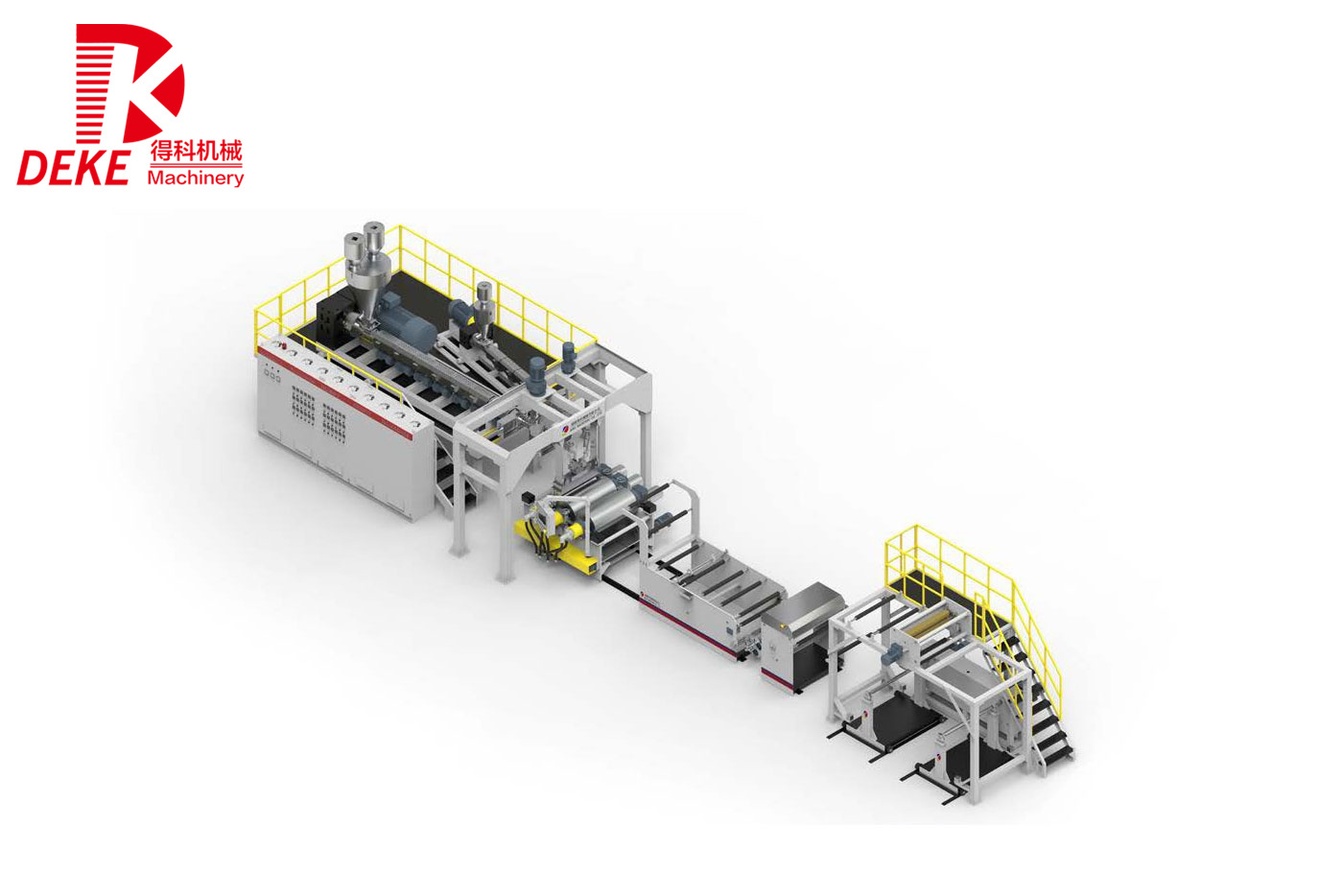
Understanding the Mechanics of Counter Rotating Twin Screw Extruders
Table of Contents
- 1. Introduction to Counter Rotating Twin Screw Extruders
- 2. Principles of Operation
- 3. Design Features and Components
- 4. Applications in the Plastic Industry
- 5. Advantages Over Other Extruder Types
- 6. Maintenance Best Practices
- 7. Troubleshooting Common Issues
- 8. Future Trends in Twin Screw Extrusion
- 9. Frequently Asked Questions
- 10. Conclusion
1. Introduction to Counter Rotating Twin Screw Extruders
Counter rotating twin screw extruders are vital machines in the manufacturing sector, specifically in plastic processing. They consist of two intermeshing screws that rotate in opposite directions, providing efficient mixing, compounding, and extrusion of materials. This design allows for higher torque and better material handling compared to single screw extruders. Understanding the mechanics of these sophisticated machines is essential for optimizing their performance and application in various industries.
2. Principles of Operation
The operation of counter rotating twin screw extruders is based on several key principles that allow for effective material processing.
2.1 Material Feeding
Materials are fed into the extruder through a hopper. The screws' counter rotation draws the materials into the extruder's barrel, where they are subjected to heat and pressure.
2.2 Mixing and Compounding
As the screws turn, they create a highly turbulent flow that facilitates excellent mixing of additives, colorants, and other materials. This ensures homogeneous product quality and consistency.
2.3 Shear and Temperature Control
The design of the screws allows for precise control over shear rates and temperatures, which is crucial for thermoplastics. Proper temperature management prevents material degradation while ensuring optimal flow characteristics.
3. Design Features and Components
The design of counter rotating twin screw extruders incorporates several features that enhance their functionality and performance.
3.1 Screw Geometry
The unique screw geometry, including flight designs and pitch variations, impacts mixing efficiency and material displacement. These designs can be customized to suit specific applications.
3.2 Barrel Design
The barrel is typically constructed from high-quality steel and features various zones for heating and cooling. This multi-zone configuration allows for precise thermal control.
3.3 Gearbox and Drive System
A robust gearbox is essential for transmitting torque from the motor to the screws. The drive system must be reliable and capable of handling the high demands of extrusion processes.
4. Applications in the Plastic Industry
Counter rotating twin screw extruders are widely used across various sectors of the plastic industry.
4.1 Polymer Processing
They are ideal for processing a range of polymers, including PVC, PET, and PE, making them essential in producing films, sheets, and profiles.
4.2 Compound Production
These extruders are extensively used in producing plastic compounds, masterbatches, and specialty materials, allowing for customized formulations.
4.3 Recycling Applications
The ability to process scrap materials and recycled plastics makes counter rotating twin screw extruders a sustainable choice for manufacturers.
5. Advantages Over Other Extruder Types
Counter rotating twin screw extruders offer numerous advantages compared to single screw or co-rotating extruders.
5.1 Enhanced Mixing Capabilities
Their design allows for superior mixing and dispersion, resulting in high-quality end products.
5.2 Improved Material Handling
These extruders can handle a wider variety of materials, including those with high viscosity or complex formulations.
5.3 Greater Control Over Processing Conditions
The independent control of each screw's speed and torque provides manufacturers with the flexibility needed to optimize specific processes.
6. Maintenance Best Practices
Regular maintenance is crucial for ensuring the longevity and efficiency of counter rotating twin screw extruders.
6.1 Routine Inspections
Conduct routine inspections of key components, including screws, barrels, and the drive system, to identify wear and tear early.
6.2 Lubrication of Moving Parts
Proper lubrication of the gearbox and other moving parts minimizes friction and enhances operational efficiency.
6.3 Cleaning Protocols
Establish cleaning protocols to prevent material build-up, which can lead to contamination and processing issues.
7. Troubleshooting Common Issues
Understanding common issues can help operators troubleshoot effectively.
7.1 Material Blockages
Blockages can arise from improper feeding or material inconsistencies. Regular checks of the feeder mechanisms can prevent this.
7.2 Temperature Fluctuations
Inconsistent temperatures may be caused by faulty heaters or poor thermal contact. Regular calibration can mitigate this risk.
7.3 Variations in Product Quality
If product quality varies, it may indicate problems with mixing or material feed rates. Monitoring and adjusting these parameters can resolve such issues.
8. Future Trends in Twin Screw Extrusion
The future of counter rotating twin screw extrusion technology looks promising, with several trends emerging.
8.1 Automation and Smart Technologies
The integration of automation and smart technologies will enhance operational efficiency, allowing for real-time monitoring and adjustments.
8.2 Sustainable Practices
Sustainability will continue to be a driving force, with a focus on recycling and reducing waste in the plastic processing industry.
8.3 Advancements in Materials
The development of new materials will require advanced extrusion technologies, pushing the boundaries of what counter rotating twin screw extruders can achieve.
9. Frequently Asked Questions
What is a counter rotating twin screw extruder?
A counter rotating twin screw extruder is a machine used in plastic processing that features two screws rotating in opposite directions, facilitating efficient mixing and compounding.
What are the advantages of using counter rotating twin screw extruders?
Counter rotating twin screw extruders offer enhanced mixing capabilities, improved material handling, and greater control over processing conditions compared to other types of extruders.
How are counter rotating twin screw extruders maintained?
Regular maintenance involves routine inspections, lubrication of moving parts, and the establishment of cleaning protocols to ensure optimal performance.
What applications are best suited for counter rotating twin screw extruders?
They are commonly used in polymer processing, compound production, and recycling applications due to their versatility and efficiency.
What are the common issues faced with counter rotating twin screw extruders?
Common issues include material blockages, temperature fluctuations, and variations in product quality, all of which can be addressed with proper monitoring and maintenance.
10. Conclusion
Counter rotating twin screw extruders represent a pinnacle of innovation in the plastic processing industry. Their advanced design and operational principles enable manufacturers to achieve superior mixing, compounding, and extrusion of a wide range of materials. By understanding their mechanics, applying best practices for maintenance, and staying abreast of future trends, businesses can optimize their extrusion processes for efficiency and quality. Embracing these sophisticated machines will undoubtedly lead to enhanced productivity and sustainability in the ever-evolving landscape of plastic manufacturing.
Previous Page:
RELATED INFORMATION

Why Choose Conical Twin Screw for Your Next Extrusion Project?
Why Choose Conical Twin Screw for Your Next Extrusion Project? Understanding Extrusion Technology In the realm of **plastic processing**, extrusion is an essential manufacturing technique that transforms raw plastic materials into usable products. The **extrusion process** involves forcing molten plastic through a die to create continuous shapes like sheets, films, and profiles. With advancements
Understanding the Advantages of Counter Rotating Twin Screw Extruders for Plastic Processing
Counter rotating twin screw extruders are pivotal in the plastic processing industry, recognized for their versatility and efficiency. Unlike single screw extruders, twin screw extruders feature two intermeshing screws that rotate in opposite directions. This design allows for enhanced material handling and processing capabilities, making them suitable for a wide array of applications. One of the

Website

Copyright©Jieyang Deke Machinery Co., Ltd.