
Top Applications of Counter Rotating Twin Screw Extruders in Plastic Processing
2025-03
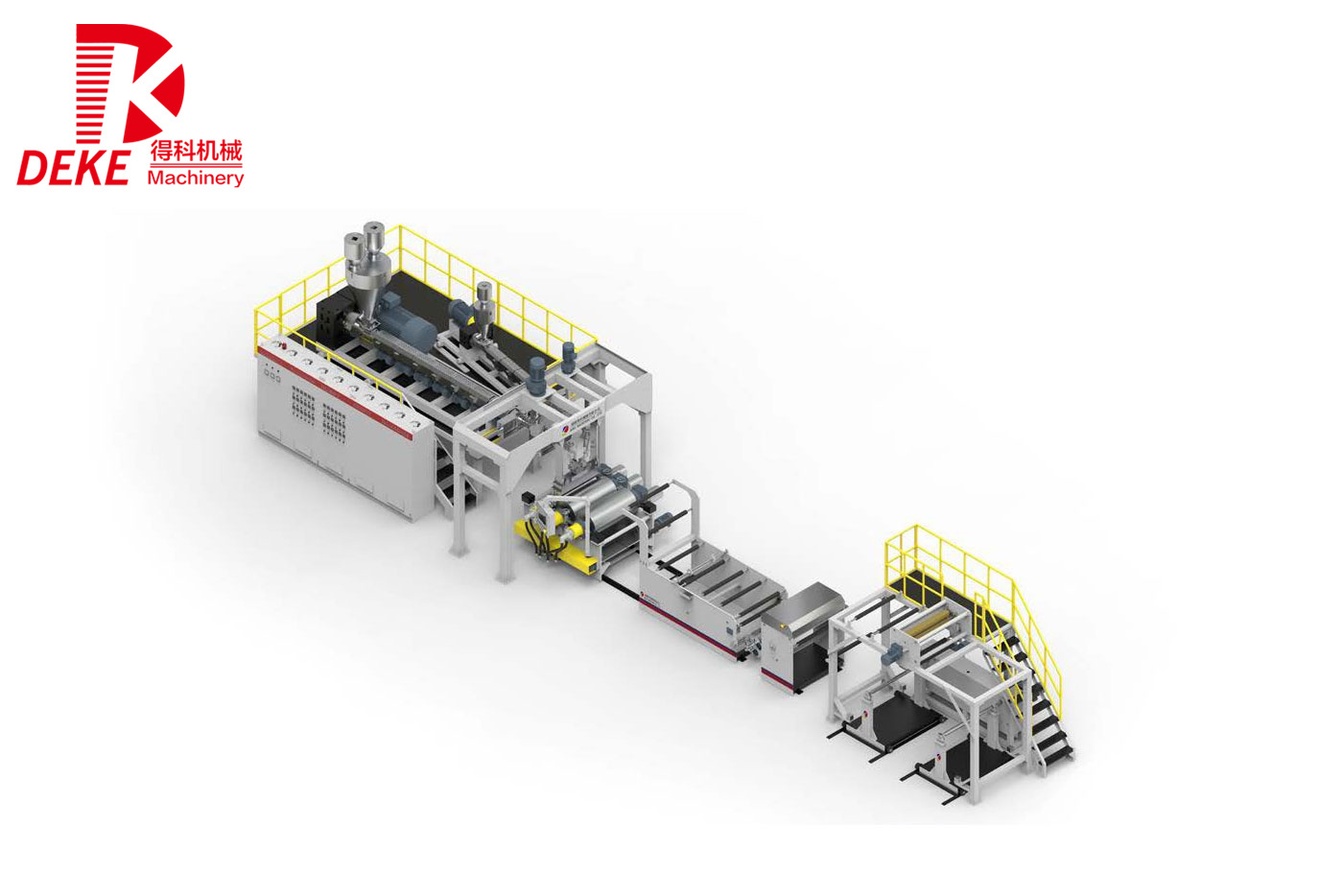
Top Applications of Counter Rotating Twin Screw Extruders in Plastic Processing
Counter rotating twin screw extruders are a game-changer in the plastic processing industry, renowned for their versatility and efficiency. These machines offer enhanced mixing, greater control over processing parameters, and the ability to handle a wide range of materials. In this article, we will explore the top applications of counter rotating twin screw extruders, delving into their unique advantages and the transformative impact they have on plastic processing.
Table of Contents
- 1. Introduction to Counter Rotating Twin Screw Extruders
- 2. How Counter Rotating Twin Screw Extruders Work
- 3. Key Applications in Plastic Processing
- 4. Benefits of Using Counter Rotating Twin Screw Extruders
- 5. Challenges in Implementing Twin Screw Extruders
- 6. Future Trends in Twin Screw Extrusion Technology
- 7. Conclusion
- 8. Frequently Asked Questions
1. Introduction to Counter Rotating Twin Screw Extruders
Counter rotating twin screw extruders consist of two screws that rotate in opposite directions, allowing for a unique mixing and extrusion process. This design enables improved material handling and is ideal for processing various polymers, compounding, and recycling. As industries seek more efficient and flexible processing methods, counter rotating twin screw extruders have emerged as the preferred choice for many manufacturers.
2. How Counter Rotating Twin Screw Extruders Work
The operation of counter rotating twin screw extruders is based on the principle of intermeshing screws. As the screws rotate in opposite directions, they create a highly effective mixing action. This design allows for:
- **Effective Material Conveyance:** The counter-rotation moves materials effectively through the extruder.
- **Enhanced Mixing:** The unique design offers superior mixing capabilities, ensuring uniform composition.
- **Temperature Control:** With precise temperature regulation, the extruder can accommodate a wide range of materials.
Moreover, the ability to adjust screw speed and geometry allows for tailored processing conditions, making this technology suitable for various applications.
3. Key Applications in Plastic Processing
Counter rotating twin screw extruders are utilized in several applications, addressing the diverse needs of the plastic processing industry. Here, we explore two key sectors where these machines shine.
3.1 Food Packaging Solutions
The food packaging industry demands stringent safety and quality standards. Counter rotating twin screw extruders excel in producing innovative packaging materials that meet these requirements. Their applications include:
- **Production of Biodegradable Plastics:** The extruders can process biodegradable polymers, contributing to more sustainable packaging solutions.
- **Blending of Additives:** The superior mixing capabilities allow for the integration of additives that enhance material properties.
- **Film Production:** The flexibility of these extruders enables the creation of thin films for various packaging applications.
3.2 Automotive Parts Manufacturing
The automotive industry is increasingly relying on advanced materials to enhance vehicle performance. Counter rotating twin screw extruders support the manufacturing of:
- **Lightweight Components:** The ability to process composite materials leads to lighter and more fuel-efficient vehicles.
- **Durable Plastics:** The extruders can create robust plastic parts, essential for various automotive applications.
- **Recycling of Automotive Plastics:** They are also instrumental in recycling efforts to reduce waste and promote sustainability.
4. Benefits of Using Counter Rotating Twin Screw Extruders
Adopting counter rotating twin screw extruders offers numerous advantages that drive efficiency and innovation in plastic processing.
4.1 Enhanced Material Homogeneity
The counter rotating motion facilitates thorough mixing, resulting in a homogeneous final product. This consistency is vital for applications where material properties can affect performance.
4.2 Improved Processing Efficiency
Counter rotating twin screw extruders often operate at higher throughput rates compared to traditional systems, leading to increased productivity. This efficiency translates to lower production costs and quicker time-to-market for new products.
5. Challenges in Implementing Twin Screw Extruders
While the benefits are significant, there are challenges associated with the implementation of counter rotating twin screw extruders:
- **Initial Investment Costs:** The upfront cost of acquiring and setting up these systems can be substantial.
- **Complex Maintenance:** Regular maintenance is required to keep the extruders operating at peak efficiency, which may require specialized knowledge and training.
- **Material Compatibility:** Not all materials are suitable for processing with twin screw extruders, necessitating careful selection and testing.
6. Future Trends in Twin Screw Extrusion Technology
The landscape of plastic processing is continually evolving, and counter rotating twin screw extruders are at the forefront of this transformation. Some emerging trends include:
- **Increased Focus on Sustainability:** The push for eco-friendly materials will enhance the development of biodegradable and recyclable solutions.
- **Integration of Digital Technologies:** The use of sensors and IoT for real-time monitoring and process optimization will become more prevalent.
- **Customization Capabilities:** Future designs will likely focus on modular systems that can be easily modified to suit specific processing needs.
7. Conclusion
Counter rotating twin screw extruders have revolutionized the plastic processing industry by providing enhanced mixing capabilities, greater flexibility, and improved efficiency. Their applications range from sustainable food packaging to advanced automotive components, demonstrating their versatility and adaptability. As technology unfolds, we can expect these machines to play an even more significant role in shaping the future of plastic processing.
8. Frequently Asked Questions
1. What materials can be processed with counter rotating twin screw extruders?
Counter rotating twin screw extruders can process a wide range of materials, including thermoplastics, thermosets, and biodegradable polymers.
2. How do counter rotating twin screw extruders compare to single screw extruders?
Counter rotating twin screw extruders offer superior mixing capabilities, better control over material properties, and higher processing efficiency compared to single screw extruders.
3. What industries benefit the most from using counter rotating twin screw extruders?
Major industries include food packaging, automotive, pharmaceuticals, and plastics recycling.
4. Can counter rotating twin screw extruders be used for recycling plastics?
Yes, they are particularly effective for recycling plastics, enabling the processing of post-consumer materials into new products.
5. What are the maintenance requirements for counter rotating twin screw extruders?
Regular maintenance is essential, including inspections, cleaning, and timely replacement of worn parts to ensure optimal performance.
Previous Page:
RELATED INFORMATION

Why Choose Conical Twin Screw for Your Next Extrusion Project?
Why Choose Conical Twin Screw for Your Next Extrusion Project? Understanding Extrusion Technology In the realm of **plastic processing**, extrusion is an essential manufacturing technique that transforms raw plastic materials into usable products. The **extrusion process** involves forcing molten plastic through a die to create continuous shapes like sheets, films, and profiles. With advancements
Understanding the Advantages of Counter Rotating Twin Screw Extruders for Plastic Processing
Counter rotating twin screw extruders are pivotal in the plastic processing industry, recognized for their versatility and efficiency. Unlike single screw extruders, twin screw extruders feature two intermeshing screws that rotate in opposite directions. This design allows for enhanced material handling and processing capabilities, making them suitable for a wide array of applications. One of the

Website

Copyright©Jieyang Deke Machinery Co., Ltd.