
Understanding Parallel Twin Screw Extruders: A Comprehensive Guide for Plastic Processing
2025-03
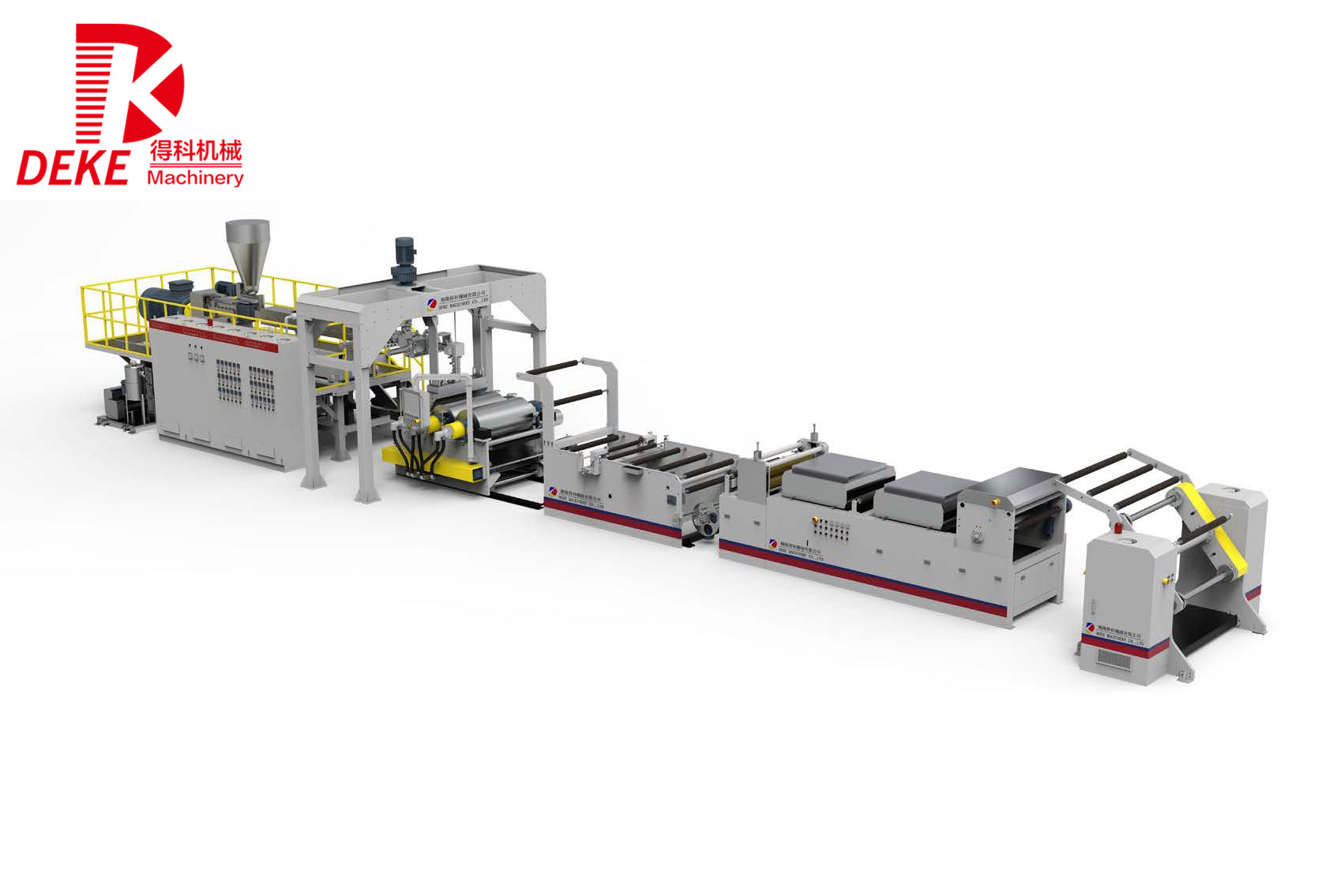
One of the primary benefits of a parallel twin screw extruder is its superior mixing capability. The intermeshing screws create a high degree of shear and turbulence, which ensures that materials are thoroughly blended. This is particularly important when dealing with compounds that require precise formulations, such as additives or colorants. The ability to achieve homogeneity in the melt is a key factor in producing high-quality plastic products.
Additionally, parallel twin screw extruders are highly versatile and can accommodate a wide range of materials, including thermoplastics, thermosets, and even bio-based polymers. This adaptability makes them suitable for various applications, from producing films and sheets to manufacturing complex profiles and compounding specialized materials. The flexibility in processing different formulations is a significant advantage for manufacturers looking to diversify their product offerings.
Temperature control is another critical aspect of the parallel twin screw extruder. The design allows for effective heat transfer, which is essential in maintaining the optimal processing conditions. Precise temperature regulation minimizes the risk of thermal degradation of sensitive materials, ensuring consistent product quality. Moreover, the ability to add materials at various points along the extruder allows for precise control over the processing environment.
In terms of efficiency, parallel twin screw extruders can achieve higher output rates compared to traditional single screw models. Their enhanced mixing capabilities and effective temperature management contribute to reduced cycle times, which can significantly improve overall production efficiency. This is especially beneficial for manufacturers aiming to meet increasing market demands without compromising quality.
In conclusion, parallel twin screw extruders are a vital component in the plastic processing industry, offering unparalleled mixing, versatility, and efficiency. Their ability to handle a diverse range of materials and maintain optimal processing conditions makes them an invaluable asset for manufacturers. Understanding the capabilities and advantages of these machines is essential for professionals looking to enhance their production processes and deliver high-quality plastic products to the market.
Previous Page:
RELATED INFORMATION

Why Choose Conical Twin Screw for Your Next Extrusion Project?
Why Choose Conical Twin Screw for Your Next Extrusion Project? Understanding Extrusion Technology In the realm of **plastic processing**, extrusion is an essential manufacturing technique that transforms raw plastic materials into usable products. The **extrusion process** involves forcing molten plastic through a die to create continuous shapes like sheets, films, and profiles. With advancements
Understanding the Advantages of Counter Rotating Twin Screw Extruders for Plastic Processing
Counter rotating twin screw extruders are pivotal in the plastic processing industry, recognized for their versatility and efficiency. Unlike single screw extruders, twin screw extruders feature two intermeshing screws that rotate in opposite directions. This design allows for enhanced material handling and processing capabilities, making them suitable for a wide array of applications. One of the

Website

Copyright©Jieyang Deke Machinery Co., Ltd.