
Exploring the Mechanisms of Compounding Twin Screw Extruders in Polymer Processing
2025-03
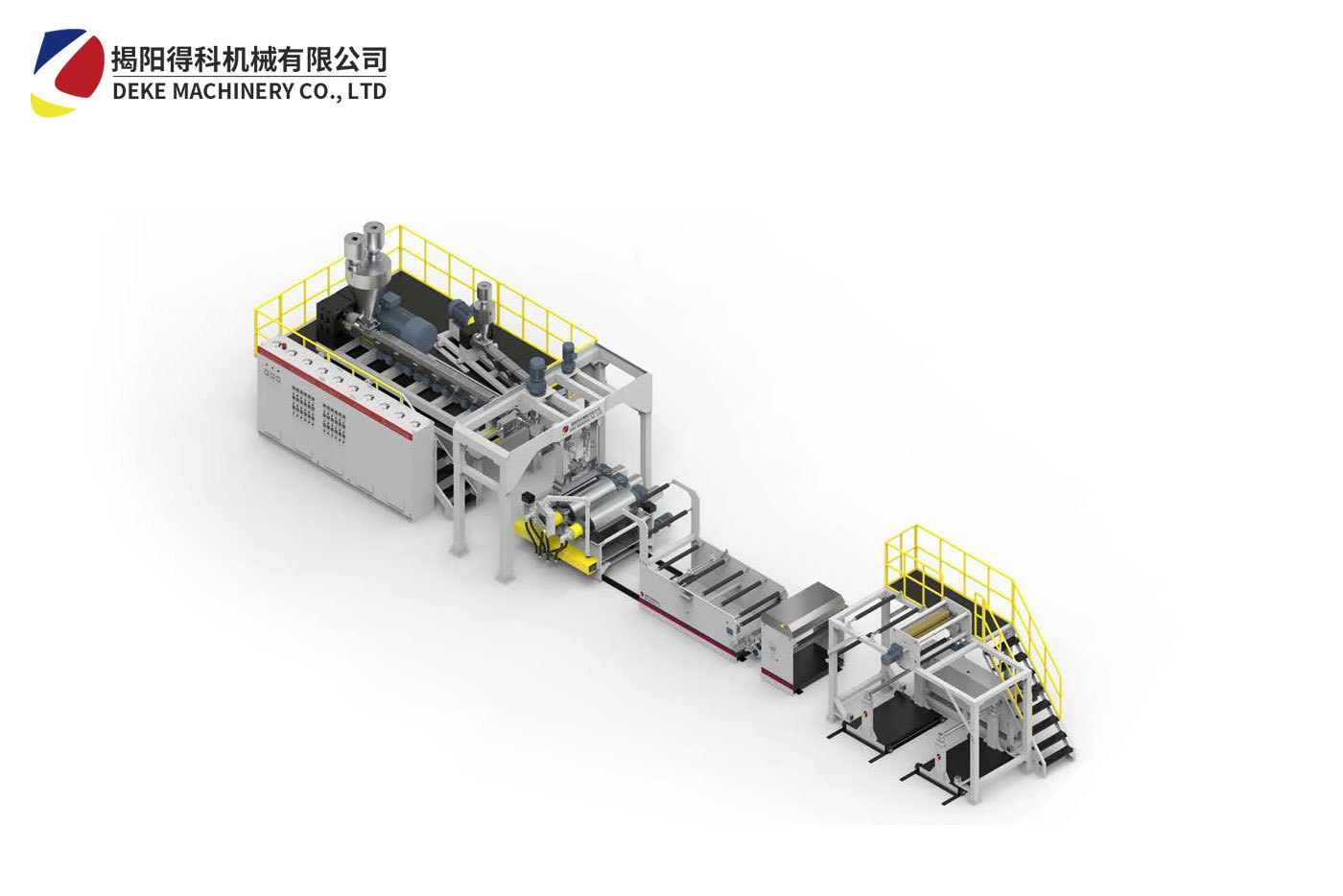
Understanding the Role of Twin Screw Extruders in Polymer Processing
In the realm of polymer processing, **twin screw extruders** have emerged as pivotal machines that significantly enhance the efficiency and quality of plastic production. They are specifically designed to handle complex processes such as compounding, where two or more materials are combined to achieve specific material properties. This article aims to provide an in-depth exploration of the mechanisms behind twin screw extruders and their critical role in polymer processing.
What Are Twin Screw Extruders?
Twin screw extruders are sophisticated machines that consist of two intermeshing screws rotating within a heated barrel. This unique configuration allows for a high degree of material mixing and processing, making them ideal for applications requiring uniform dispersion of additives, fillers, and polymers.
The Structure of Twin Screw Extruders
Understanding the structure of twin screw extruders is essential to grasping how they function effectively:
- **Screw Elements**: The screws are made up of various elements, including conveying, mixing, and kneading sections. Each element plays a crucial role in the flow and processing of materials.
- **Barrel Design**: The barrel consists of heated sections that control the temperature of the materials, which is critical for achieving desired properties in the final product.
- **Feeding Systems**: Twin screw extruders often feature multiple feeding points to introduce different materials at various stages of processing, enhancing flexibility and efficiency.
The Working Principle of Twin Screw Extruders
The operation of twin screw extruders can be broken down into several key phases:
1. **Feeding**: Raw materials are introduced into the extruder through feed ports. These materials can include polymers, additives, and fillers.
2. **Melting**: As the materials move through the heated barrel, they begin to melt. The temperature is carefully controlled to ensure optimal processing conditions.
3. **Mixing and Compounding**: The intermeshing screws effectively mix the materials, ensuring a homogeneous blend. This step is critical for achieving consistent material properties.
4. **Extrusion**: Once the materials are adequately mixed, they are forced through a die, taking on the desired shape.
The Importance of Compounding in Polymer Processing
Compounding is a fundamental process in polymer manufacturing. It involves the blending of base polymers with various additives to enhance performance characteristics. The importance of compounding in the context of twin screw extruders cannot be overstated:
- **Enhanced Material Properties**: Compounding allows manufacturers to tailor materials to meet specific performance requirements, such as improved strength, flexibility, and thermal stability.
- **Cost Efficiency**: By optimizing material formulations through compounding, manufacturers can reduce costs while maintaining quality.
- **Environmental Considerations**: Advanced compounding techniques can enable the use of recycled materials, contributing to sustainable practices in the industry.
Factors Influencing Compounding Efficiency
Several factors can influence the effectiveness of the compounding process in twin screw extruders:
- **Screw Speed**: The speed of the screws affects the residence time of the materials within the extruder, which can impact mixing efficiency and heat transfer.
- **Temperature Control**: Maintaining the correct temperature is crucial for achieving optimal melting and processing conditions.
- **Material Properties**: The characteristics of the materials being processed, such as viscosity and flow behavior, also play a significant role in compounding efficiency.
Applications of Twin Screw Extruders in Polymer Processing
Twin screw extruders find applications across a wide range of industries, including:
- **Plastics**: For the production of various plastic products through compounding and extrusion.
- **Food Processing**: Used for the production of food products that require specific textural properties.
- **Pharmaceuticals**: In the production of drug formulations that require precise mixing and blending.
Advancements in Twin Screw Extruder Technology
The industry has witnessed several advancements in twin screw extruder technology that enhance their capabilities:
- **Smart Extrusion Technology**: Incorporating IoT and AI technologies for real-time monitoring and optimization of the extrusion process.
- **Modular Designs**: Allowing manufacturers to customize screw configurations based on specific processing needs.
- **Energy Efficiency**: Innovations aimed at reducing energy consumption during the compounding process, contributing to overall sustainability.
Challenges in Twin Screw Extruder Operation
Despite their advantages, twin screw extruders come with challenges that manufacturers must address:
- **Wear and Tear**: The high-stress nature of compounding can lead to wear on screw elements, necessitating regular maintenance and replacements.
- **Material Degradation**: Overheating or prolonged residence times can result in the degradation of sensitive materials.
Best Practices for Optimizing Twin Screw Extruder Performance
To maximize the efficiency of twin screw extruders, manufacturers should consider adopting the following best practices:
- **Regular Maintenance**: Implementing a routine maintenance schedule to inspect and replace worn components can prevent unexpected downtimes.
- **Process Monitoring**: Utilizing advanced monitoring technologies to track key performance indicators (KPIs) and make adjustments as needed.
- **Material Testing**: Conducting thorough testing of raw materials to understand their flow properties and behavior during processing.
Future Trends in Polymer Processing with Twin Screw Extruders
As the industry evolves, several trends are expected to shape the future of polymer processing with twin screw extruders:
- **Sustainability Initiatives**: A growing focus on sustainable practices, including the use of biodegradable materials and recycling processes.
- **Increased Automation**: The integration of automation technologies to enhance precision and reduce labor costs.
- **Customization**: A shift towards more customized polymer products to meet the specific needs of different industries.
FAQs About Twin Screw Extruders
1. What is the main advantage of using twin screw extruders over single screw extruders?
Twin screw extruders offer superior mixing capabilities and flexibility in processing a wide range of materials, making them ideal for compounding applications.
2. How does temperature affect the compounding process in twin screw extruders?
Temperature plays a critical role in the melting of materials. Maintaining the right temperature ensures optimal mixing and prevents material degradation.
3. Can twin screw extruders process recycled materials?
Yes, twin screw extruders are well-suited for processing recycled materials, enabling manufacturers to adopt more sustainable practices.
4. What types of materials can be processed with twin screw extruders?
A wide variety of materials, including thermoplastics, thermosets, and elastomers, can be processed using twin screw extruders.
5. How do I choose the right screw configuration for my application?
Selecting the appropriate screw configuration depends on the specific materials and desired properties. Conducting tests and consulting with experts can help determine the best setup.
Conclusion
Twin screw extruders play a vital role in modern polymer processing, enabling efficient compounding and customization of materials. By understanding their mechanisms, advantages, and challenges, manufacturers can optimize their operations and stay competitive in the evolving landscape of plastic production. With advancements in technology and increased focus on sustainability, the future of twin screw extruders looks promising, paving the way for innovations in polymer processing that will shape the industry for years to come.
RELATED INFORMATION

Why Choose Conical Twin Screw for Your Next Extrusion Project?
Why Choose Conical Twin Screw for Your Next Extrusion Project? Understanding Extrusion Technology In the realm of **plastic processing**, extrusion is an essential manufacturing technique that transforms raw plastic materials into usable products. The **extrusion process** involves forcing molten plastic through a die to create continuous shapes like sheets, films, and profiles. With advancements
Understanding the Advantages of Counter Rotating Twin Screw Extruders for Plastic Processing
Counter rotating twin screw extruders are pivotal in the plastic processing industry, recognized for their versatility and efficiency. Unlike single screw extruders, twin screw extruders feature two intermeshing screws that rotate in opposite directions. This design allows for enhanced material handling and processing capabilities, making them suitable for a wide array of applications. One of the

Website

Copyright©Jieyang Deke Machinery Co., Ltd.