
Unveiling the Cutting-Edge Technology Behind Efficient PP HIPS Sheet Extruders
2025-03
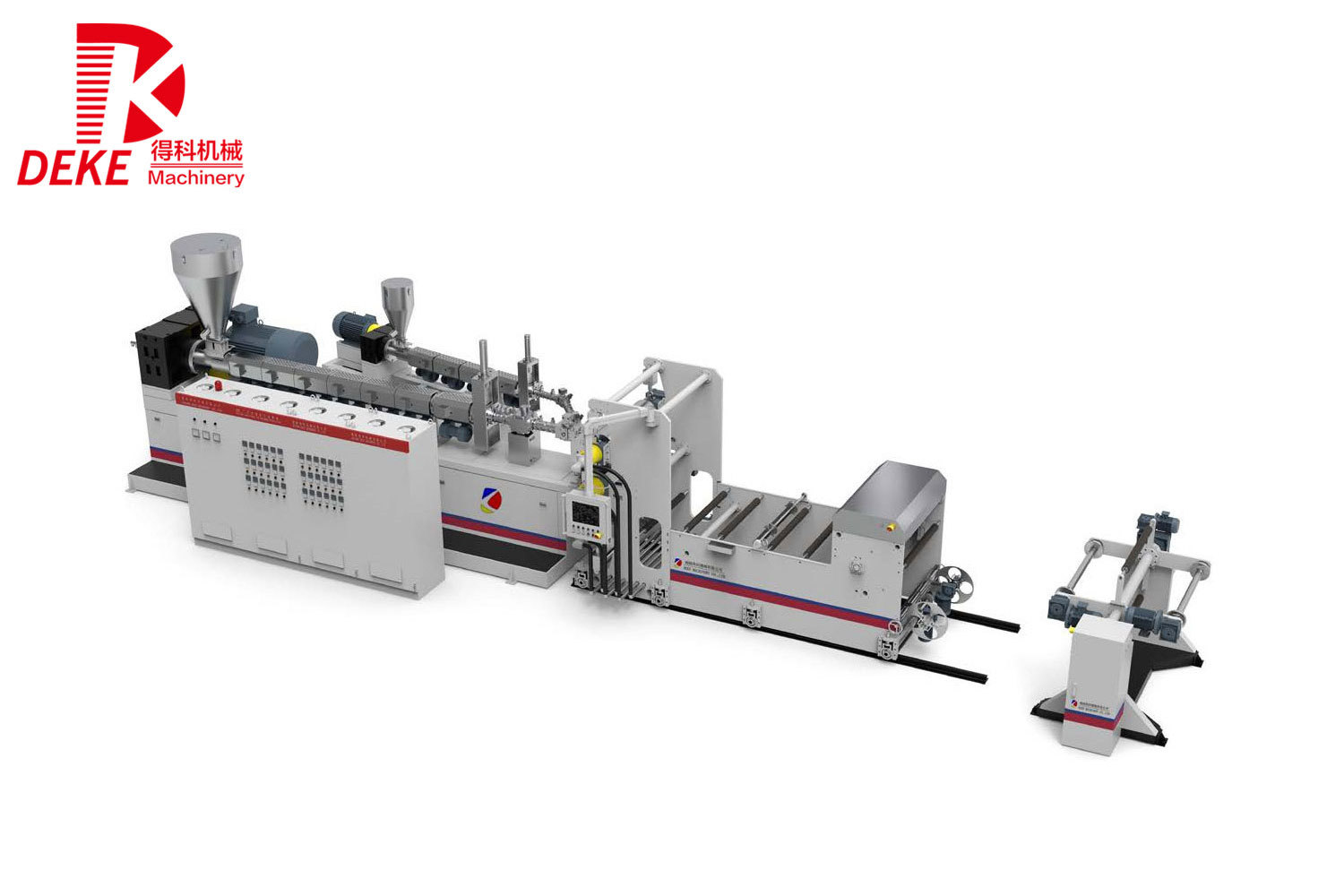
Unveiling the Cutting-Edge Technology Behind Efficient PP HIPS Sheet Extruders
Table of Contents
1. Understanding Polypropylene (PP) and High-Impact Polystyrene (HIPS)
2. The Role of Extruders in Plastic Processing
3. Key Components of PP HIPS Sheet Extruders
3.1 The Extrusion System
3.2 The Die Design
3.3 The Cooling System
4. Benefits of Efficient PP HIPS Sheet Extrusion
5. Innovations in Extrusion Technology
6. Common Challenges in PP HIPS Sheet Extrusion
7. Maintenance of PP HIPS Sheet Extruders
8. Conclusion
9. Frequently Asked Questions (FAQs)
1. Understanding Polypropylene (PP) and High-Impact Polystyrene (HIPS)
Polypropylene (PP) and High-Impact Polystyrene (HIPS) are two of the most widely used thermoplastics in manufacturing. Their unique properties make them suitable for various applications, particularly in the production of sheets. **Polypropylene** is known for its excellent chemical resistance, lightweight nature, and versatility. On the other hand, **HIPS** is recognized for its superior impact resistance and ease of processing, making it an ideal choice for applications requiring durability and strength.
The combination of these materials allows manufacturers to create sheets that can withstand rigorous conditions while maintaining a low weight profile. This synergy is critical in industries such as packaging, automotive, and construction, where the demand for lightweight yet durable materials is ever-increasing.
2. The Role of Extruders in Plastic Processing
Extruders serve as the backbone of plastic processing, specifically in the production of sheets. An extruder functions by melting raw polymer pellets and forcing them through a die to create continuous sheets. This process is crucial for the transformation of solid materials into usable forms, enabling manufacturers to produce a wide variety of products efficiently.
There are different types of extruders, including single-screw and twin-screw extruders, each offering unique advantages depending on the application. Generally, twin-screw extruders are preferred for PP HIPS sheet production due to their superior mixing capabilities and better control over the material properties.
3. Key Components of PP HIPS Sheet Extruders
The efficiency of PP HIPS sheet extruders largely depends on several key components that work in harmony to ensure optimal performance.
3.1 The Extrusion System
The extrusion system includes the barrel and the screw, which play crucial roles in melting and conveying the polymer. A well-designed screw profile enhances material flow and ensures consistent melting, while the barrel's heating zones provide precise temperature control, which is vital for processing PP and HIPS effectively.
3.2 The Die Design
The die is integral to the extrusion process, as it determines the final sheet thickness and width. Advanced die designs can significantly improve the uniformity of the sheet and reduce waste. Recent innovations in die technologies allow for better flow distribution, which is essential for achieving high-quality sheets.
3.3 The Cooling System
Once the molten polymer exits the die, it must be rapidly cooled to solidify the sheet. Efficient cooling systems, including water baths and air cooling, are crucial in maintaining the physical properties of the material. Proper cooling prevents defects such as warping and ensures dimensional stability of the final product.
4. Benefits of Efficient PP HIPS Sheet Extrusion
The advantages of efficient PP HIPS sheet extrusion are far-reaching, affecting both production processes and end-user applications.
**Cost Efficiency:** A well-optimized extrusion process reduces energy consumption and material waste, resulting in significant cost savings for manufacturers.
**Quality Control:** Advanced technology enables precise control over the extrusion parameters, leading to consistent product quality.
**Flexibility in Production:** Efficient extruders can easily adapt to changes in material formulations or product designs, allowing manufacturers to respond quickly to market demands.
**Sustainability:** The use of PP and HIPS contributes to sustainable practices, as these materials are recyclable. Efficient extrusion processes further reduce the environmental impact by minimizing waste and energy consumption.
5. Innovations in Extrusion Technology
The landscape of extrusion technology is constantly evolving, with innovations aimed at improving efficiency and product quality. Recent developments include:
**Smart Sensors and Automation:** The integration of smart sensors allows for real-time monitoring of the extrusion process. Automation minimizes human error and enhances the precision of operations.
**Advanced Materials:** The introduction of new additives and composites enhances the properties of PP and HIPS, allowing manufacturers to create specialized sheets for various applications.
**Energy-efficient Designs:** New extruder designs focus on reducing energy consumption, including improved screw geometries and optimized heating systems.
**3D Printing Integration:** As 3D printing gains traction, some manufacturers are exploring the integration of extrusion processes with additive manufacturing technologies, providing greater flexibility and customization.
6. Common Challenges in PP HIPS Sheet Extrusion
Despite the technological advancements, challenges still arise in the production of PP HIPS sheets.
**Material Variability:** Inconsistencies in raw material quality can affect the extrusion process, leading to defects in the final product.
**Process Stability:** Maintaining stable extrusion parameters is crucial to avoid fluctuations in output quality. Variations in temperature or pressure can lead to issues such as poor adhesion or surface defects.
**Downtime for Maintenance:** Regular maintenance is essential to ensure the longevity of extruders. Unexpected breakdowns can result in significant production losses.
**Environmental Factors:** Changes in ambient temperature and humidity can influence the extrusion process, affecting material properties and processing parameters.
7. Maintenance of PP HIPS Sheet Extruders
To ensure long-lasting performance, proper maintenance practices must be in place for PP HIPS sheet extruders.
**Routine Inspections:** Regular checks on key components such as the screw, barrel, and die can help identify wear and tear early, preventing unexpected breakdowns.
**Cleaning Protocols:** Residual materials can affect the quality of the next batch. Establishing effective cleaning protocols is essential to maintain product integrity.
**Lubrication:** Proper lubrication of moving parts reduces friction and wear, enhancing the overall efficiency of the extruder.
**Training Operators:** Ensuring that operators are well-trained in handling equipment and understanding the extrusion process can greatly reduce the chances of operational issues.
8. Conclusion
In conclusion, the technology behind efficient PP HIPS sheet extruders is a blend of advanced engineering, innovative materials, and sophisticated processes. As the demand for high-quality plastic sheets continues to grow, understanding the intricacies of extrusion technology becomes increasingly important for manufacturers. By leveraging cutting-edge solutions and maintaining rigorous operational standards, the industry can continue to thrive, delivering superior products that meet the needs of various applications.
9. Frequently Asked Questions (FAQs)
1. What are PP HIPS sheets used for?
PP HIPS sheets are commonly used in packaging, automotive components, and construction materials due to their lightweight and durable properties.
2. How does the extrusion process work?
The extrusion process involves melting plastic pellets and forcing them through a die to form continuous sheets, which are then cooled and cut to the desired dimensions.
3. What are the benefits of using twin-screw extruders?
Twin-screw extruders offer superior mixing capabilities, better control over material properties, and increased production efficiency compared to single-screw extruders.
4. How can manufacturers improve the quality of their extruded sheets?
Manufacturers can enhance sheet quality by optimizing extrusion parameters, using high-quality materials, and implementing advanced die designs.
5. What maintenance practices should be followed for extruders?
Routine inspections, effective cleaning protocols, proper lubrication, and operator training are critical maintenance practices for ensuring the longevity and performance of extruders.
RELATED INFORMATION

Why Choose Conical Twin Screw for Your Next Extrusion Project?
Why Choose Conical Twin Screw for Your Next Extrusion Project? Understanding Extrusion Technology In the realm of **plastic processing**, extrusion is an essential manufacturing technique that transforms raw plastic materials into usable products. The **extrusion process** involves forcing molten plastic through a die to create continuous shapes like sheets, films, and profiles. With advancements
Understanding the Advantages of Counter Rotating Twin Screw Extruders for Plastic Processing
Counter rotating twin screw extruders are pivotal in the plastic processing industry, recognized for their versatility and efficiency. Unlike single screw extruders, twin screw extruders feature two intermeshing screws that rotate in opposite directions. This design allows for enhanced material handling and processing capabilities, making them suitable for a wide array of applications. One of the

Website

Copyright©Jieyang Deke Machinery Co., Ltd.