
The Integral Role of PP HIPS Sheet Extruders in Advancing Sustainable Plastic Production
2025-04
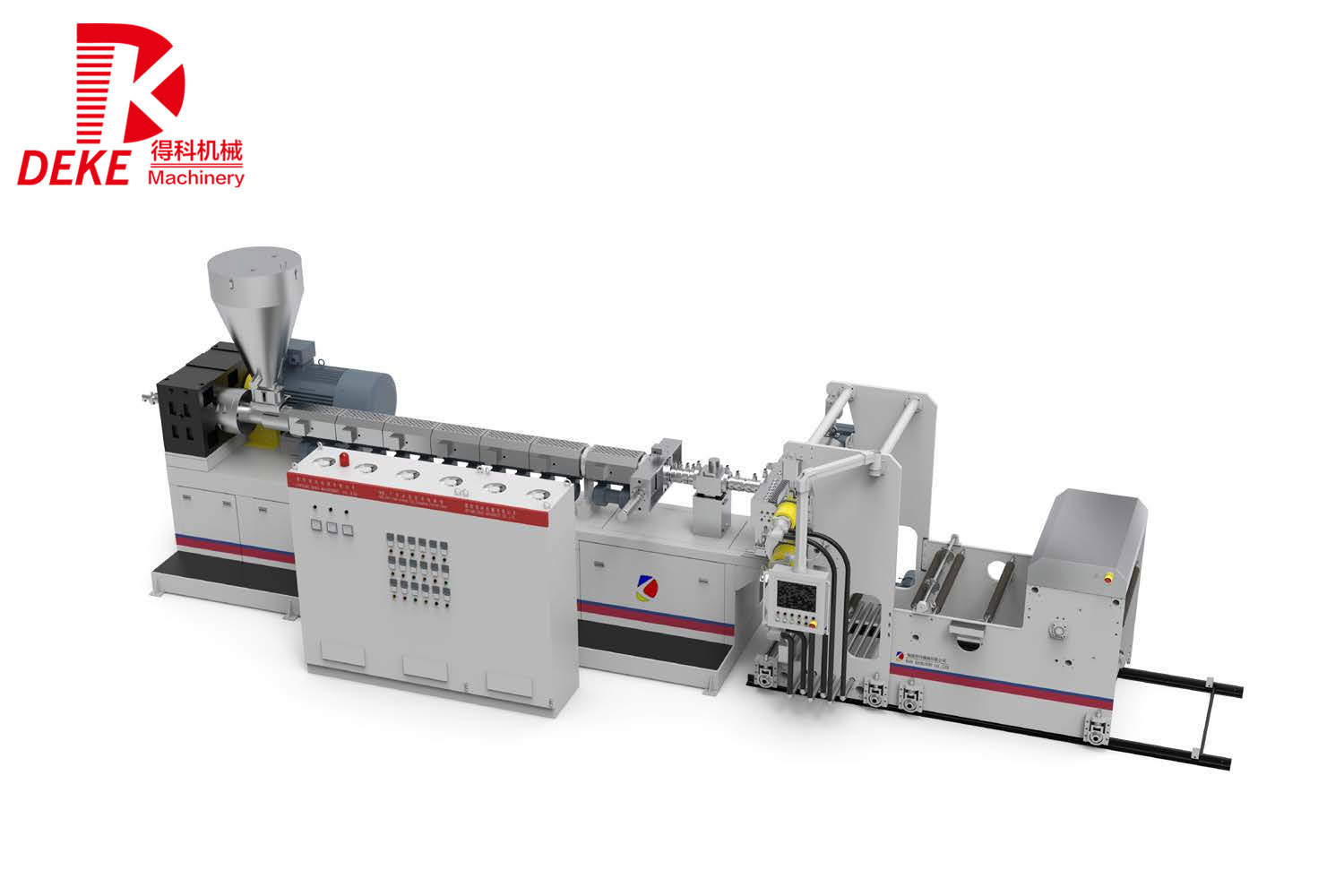
The Integral Role of PP HIPS Sheet Extruders in Advancing Sustainable Plastic Production
Table of Contents
- Understanding PP HIPS Sheet Extruders
- Importance of Sustainable Plastic Production
- How PP HIPS Works
- Advantages of Using PP HIPS Sheet Extruders
- Technological Advancements in the Extrusion Process
- Environmental Benefits of PP HIPS Sheet Extruders
- Future of PP HIPS Sheet Extrusion
- Frequently Asked Questions
Understanding PP HIPS Sheet Extruders
Polypropylene (PP) High Impact Polystyrene (HIPS) sheet extruders play a crucial role in the manufacturing of plastic materials. These machines convert raw plastic pellets into versatile sheets that serve various industries, including packaging, automotive, and construction. By heating and melting the raw material, these extruders enable the production of sheets with tailored properties and dimensions, ensuring that they meet specific market needs.
The process begins with feeding the PP HIPS pellets into the extruder, where they are heated to a molten state. This molten plastic is then forced through a die, shaping it into a continuous sheet. The extruded sheet is cooled and cut into manageable lengths, ready for further processing or direct use in production lines.
Importance of Sustainable Plastic Production
The demand for sustainable practices in plastic production has never been more critical. As the world grapples with plastic pollution and environmental degradation, manufacturers are shifting their focus toward sustainable production techniques. Sustainable plastic production not only reduces waste but also conserves resources and minimizes carbon footprints.
In this context, PP HIPS sheet extruders contribute significantly. They facilitate the use of recycled materials and optimize the production process for energy efficiency. By adopting these machines, manufacturers can enhance their sustainability profile while maintaining the quality and performance of their products.
How PP HIPS Works
PP HIPS is a blend of polypropylene and high-impact polystyrene, combining the best properties of both materials. This unique blend results in a lightweight, durable, and flexible sheet that can withstand significant stress and strain. The production process is designed to maximize these advantageous traits, making PP HIPS sheets ideal for various applications.
The extrusion process uses advanced technology to ensure consistent quality and thickness in the sheets produced. The precise control over the temperature, pressure, and speed during extrusion allows manufacturers to fine-tune the properties of PP HIPS sheets, making them suitable for specific applications such as food packaging, signage, and automotive interiors.
Advantages of Using PP HIPS Sheet Extruders
The use of PP HIPS sheet extruders offers several advantages that enhance both efficiency and sustainability in plastic production:
1. Energy Efficiency
PP HIPS sheet extruders are designed to optimize energy consumption during the production process. By incorporating advanced heating and cooling systems, these machines can significantly reduce the amount of energy required to produce high-quality sheets.
2. Versatility
These extruders can produce sheets of various thicknesses, sizes, and finishes, making them suitable for a wide range of applications. Manufacturers can easily adjust the production parameters to meet specific market requirements without the need for extensive retooling.
3. Cost-Effectiveness
Investing in PP HIPS sheet extruders can lead to significant cost savings over time. The efficiency of the process reduces raw material waste, while the durability of the produced sheets minimizes defects and returns, leading to lower operational costs.
4. Enhanced Product Properties
The combination of polypropylene and high-impact polystyrene provides enhanced impact resistance, making the resulting sheets more durable than sheets made from single materials. This property is particularly beneficial for applications requiring robust performance.
Technological Advancements in the Extrusion Process
The field of extrusion technology has evolved dramatically, with innovations that enhance the efficiency and sustainability of PP HIPS sheet production.
1. Automation
Modern PP HIPS sheet extruders are equipped with automation technology that streamlines the production process. Automated systems monitor and adjust parameters in real-time, ensuring consistent quality while reducing the need for manual intervention.
2. Recycling Capabilities
Many contemporary extruders are designed to handle recycled materials seamlessly. This capability not only reduces waste but also encourages sustainability by integrating post-consumer plastic into the production process.
3. Smart Technology
Smart technology integration allows manufacturers to use data analytics to optimize production processes continually. By analyzing performance metrics, companies can identify areas for improvement, further enhancing efficiency and reducing waste.
Environmental Benefits of PP HIPS Sheet Extruders
The environmental impact of PP HIPS sheet extruders is profound. As industries globally strive to reduce their ecological footprints, these machines represent a significant step toward achieving sustainability goals.
1. Reduced Carbon Footprint
By optimizing energy consumption and utilizing recycled materials, PP HIPS sheet extruders help reduce greenhouse gas emissions associated with plastic production. This is crucial in mitigating climate change effects.
2. Decreased Plastic Waste
The ability to recycle and repurpose materials minimizes waste generation. By integrating recycled PP HIPS into production, manufacturers can contribute to a circular economy, where materials are continuously reused.
3. Lower Resource Consumption
Efficient production processes demand fewer raw materials, conserving natural resources and decreasing the overall environmental impact of plastic manufacturing.
Future of PP HIPS Sheet Extrusion
The future of PP HIPS sheet extrusion looks promising, driven by a growing awareness of sustainability and technological advancements. As regulations around plastic usage become stricter, manufacturers will increasingly adopt eco-friendly practices.
1. Research and Development
Investment in research and development will lead to new formulations and technologies that improve the sustainability of PP HIPS products. Innovations in bioplastics and additives can enhance the environmental friendliness of the material.
2. Collaboration Across Industries
As sustainability becomes a priority for consumers and businesses, collaboration across industries will foster shared knowledge and practices in improving the lifecycle of plastic products.
3. Consumer Demand for Sustainable Solutions
The demand for sustainable products is on the rise. Consumers are increasingly prioritizing products with a reduced environmental impact, pushing manufacturers to adapt their processes accordingly.
Frequently Asked Questions
1. What are PP HIPS sheets used for?
PP HIPS sheets are widely used in packaging, automotive components, signage, and various consumer goods due to their durability and versatility.
2. Are PP HIPS sheets recyclable?
Yes, PP HIPS sheets can be recycled, and many extruders are designed to incorporate recycled materials into the production process.
3. What advantages do PP HIPS sheet extruders offer over traditional plastic extrusion methods?
PP HIPS sheet extruders offer enhanced energy efficiency, versatility, cost-effectiveness, and improved product properties compared to traditional methods.
4. How does the extrusion process contribute to sustainability?
The extrusion process promotes sustainability by minimizing waste, reducing energy consumption, and utilizing recycled materials, contributing to a circular economy.
5. What advancements are being made in PP HIPS extrusion technology?
Advancements include automation, recycling capabilities, and smart technology integration, all aimed at improving efficiency and sustainability in production.
Conclusion
The role of PP HIPS sheet extruders in sustainable plastic production cannot be overstated. These machines are at the forefront of transforming the plastic manufacturing landscape, promoting not only efficiency and cost-effectiveness but also environmental responsibility. As industries continue to embrace sustainable practices, PP HIPS sheet extruders will play an integral role in shaping a more sustainable future for plastic production. Through technological advancements and a commitment to recycling, these extruders are paving the way for a greener, more efficient, and responsible manufacturing process, ensuring that we meet the demands of both today and tomorrow.
RELATED INFORMATION

Why Choose Conical Twin Screw for Your Next Extrusion Project?
Why Choose Conical Twin Screw for Your Next Extrusion Project? Understanding Extrusion Technology In the realm of **plastic processing**, extrusion is an essential manufacturing technique that transforms raw plastic materials into usable products. The **extrusion process** involves forcing molten plastic through a die to create continuous shapes like sheets, films, and profiles. With advancements
Understanding the Advantages of Counter Rotating Twin Screw Extruders for Plastic Processing
Counter rotating twin screw extruders are pivotal in the plastic processing industry, recognized for their versatility and efficiency. Unlike single screw extruders, twin screw extruders feature two intermeshing screws that rotate in opposite directions. This design allows for enhanced material handling and processing capabilities, making them suitable for a wide array of applications. One of the

Website

Copyright©Jieyang Deke Machinery Co., Ltd.