
PET Sheet Extruder Machines: Driving Innovation in the Plastic Industry
2025-04
PET Sheet Extruder Machines: Driving Innovation in the Plastic Industry
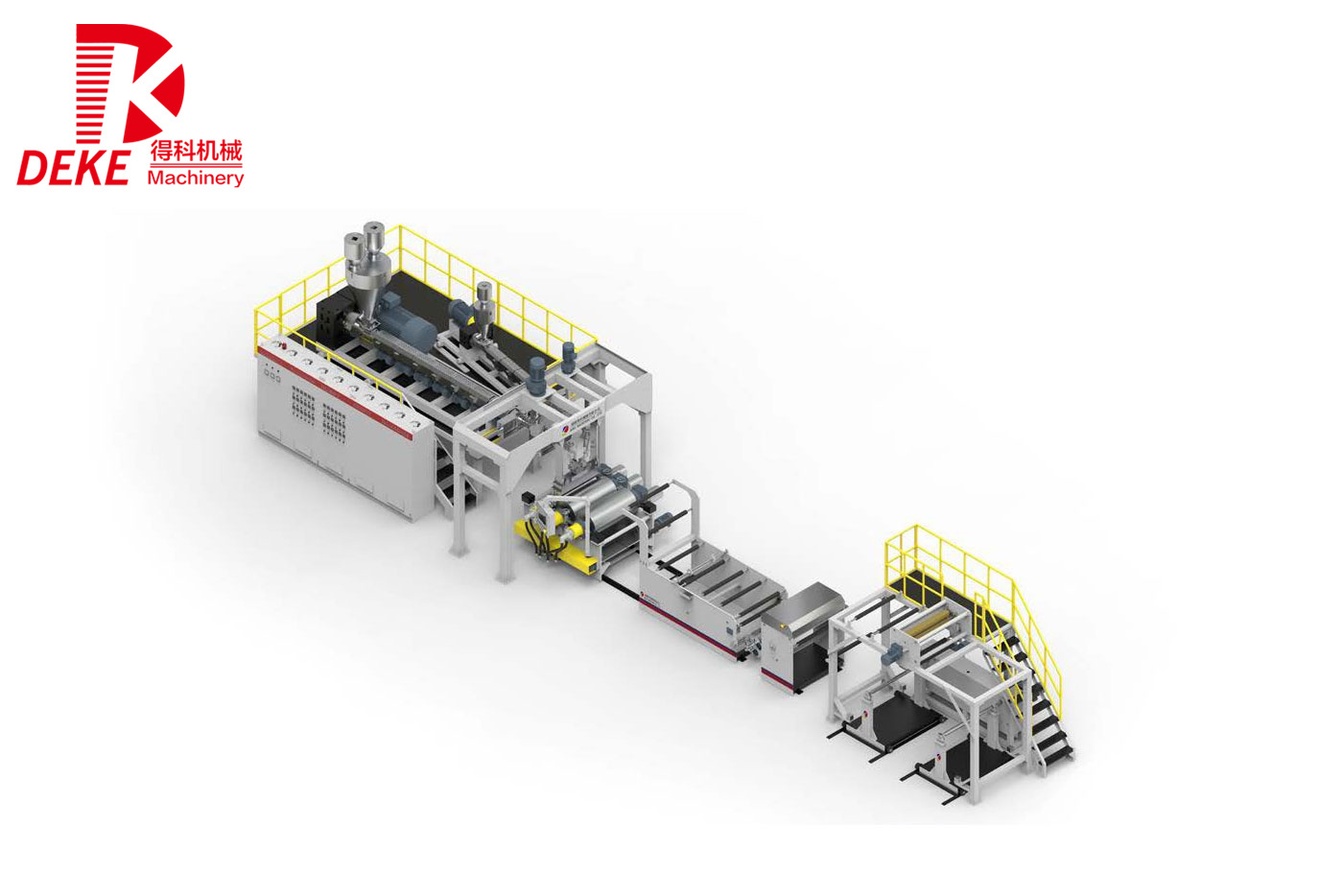
The plastic industry is undergoing a remarkable transformation, largely driven by advancements in technology and growing environmental consciousness. Among the pivotal players in this revolution are **PET sheet extruder machines**. These sophisticated machines are not just indispensable for producing high-quality PET sheets; they also play a crucial role in addressing sustainability challenges. In this article, we will delve into the intricacies of PET sheet extruder machines, examining their operation, benefits, applications, and the future they herald for the plastic industry.
Table of Contents
- 1. Introduction to PET Sheet Extruder Machines
- 2. Understanding PET Sheets: Characteristics and Applications
- 3. How PET Sheet Extruder Machines Work
- 4. Advantages of Using PET Sheet Extrusion Technology
- 5. Applications of PET Sheets in Various Industries
- 6. Sustainability and Environmental Impact of PET Sheets
- 7. Future Trends in PET Sheet Extrusion Technology
- 8. Frequently Asked Questions About PET Sheet Extruder Machines
- 9. Conclusion
1. Introduction to PET Sheet Extruder Machines
PET (Polyethylene Terephthalate) sheet extruder machines are specialized equipment designed for the production of PET sheets. These machines melt and extrude PET resin to form sheets, which can be subsequently cooled and processed into various products. The rise in demand for lightweight, durable, and recyclable materials has positioned PET sheets as a favorite in sectors such as packaging, automotive, and construction.
2. Understanding PET Sheets: Characteristics and Applications
2.1 Characteristics of PET Sheets
PET sheets are renowned for their excellent mechanical properties, transparency, and resistance to impact and moisture. They are lightweight yet strong, making them an ideal choice for numerous applications. Additionally, PET sheets are fully recyclable, contributing to sustainability efforts in the plastic industry.
2.2 Common Applications of PET Sheets
The versatility of PET sheets allows them to be used in various applications, including:
- Food Packaging: Due to their safety and barrier properties, PET sheets are extensively used in food containers, trays, and packaging films.
- Medical Applications: In the healthcare sector, PET sheets are utilized for medical packaging and equipment due to their durability and sterility.
- Electronics: PET sheets serve as protective covers and insulators in electronic devices.
- Construction: These sheets are used in roofing, glazing, and wall panels for their strength and insulating properties.
3. How PET Sheet Extruder Machines Work
The operation of PET sheet extruder machines involves several critical processes:
3.1 Feeding System
The process begins with the feeding system, where PET resin pellets are loaded into the machine. The precise control of the feeding rate is essential for maintaining consistent product quality.
3.2 Melting Process
Once fed into the machine, the pellets are subjected to high temperatures causing them to melt. This melting process is crucial as it prepares the material for extrusion.
3.3 Extrusion
In the extrusion phase, the melted PET is forced through a die, shaping it into a continuous sheet. The design of the die can be customized to produce sheets of varying thicknesses and widths.
3.4 Cooling and Cutting
After extrusion, the sheets are cooled to solidify their structure. Once cooled, the sheets are cut to desired lengths for further processing and packaging.
4. Advantages of Using PET Sheet Extrusion Technology
The benefits of utilizing PET sheet extrusion technology are manifold:
4.1 Cost-Effectiveness
Manufacturing PET sheets via extrusion is a cost-effective process, allowing companies to produce high volumes of sheets efficiently. The reduction in scrap material further enhances profitability.
4.2 High Quality and Consistency
Extrusion technology ensures uniform thickness and quality in the produced sheets. This consistency is vital for applications requiring precise standards, such as medical and food packaging.
4.3 Versatility
PET sheet extruder machines can be configured to produce various sheet types, catering to different market demands. This adaptability makes them a worthwhile investment for manufacturers.
5. Applications of PET Sheets in Various Industries
The applications of PET sheets span numerous industries, reflecting their versatility and reliability:
5.1 Packaging Industry
PET sheets are integral to the packaging industry, particularly for food and beverage products. Their barrier properties help extend shelf life and maintain product integrity.
5.2 Automotive Industry
In the automotive sector, PET sheets are employed for interior and exterior components due to their lightweight nature and strength, contributing to fuel efficiency.
5.3 Medical Field
The medical industry relies on PET sheets for sterilizable packaging and disposable medical devices, ensuring safety and compliance with health regulations.
5.4 Electronics and Appliances
PET sheets are also utilized in electronic devices, providing insulation and protection from environmental factors.
6. Sustainability and Environmental Impact of PET Sheets
As the world grapples with environmental challenges, the plastic industry is under pressure to innovate sustainably. PET sheet extruder machines contribute to this shift through several mechanisms:
6.1 Recyclability
PET sheets can be recycled repeatedly without significant loss of quality. This recyclability minimizes environmental impact and supports the circular economy.
6.2 Lightweight Design
The lightweight nature of PET sheets helps reduce transportation emissions, further enhancing their sustainability profile.
6.3 Energy Efficiency
Modern PET sheet extruder machines are engineered for energy efficiency. They consume less energy compared to older models, making the production process more environmentally friendly.
7. Future Trends in PET Sheet Extrusion Technology
The future of PET sheet extrusion technology looks promising, with several trends expected to shape its evolution:
7.1 Advanced Automation
As Industry 4.0 continues to gain traction, integrating automation and smart technology into PET sheet extruder machines will enhance production efficiency and reduce labor costs.
7.2 Biodegradable Alternatives
Research is ongoing into developing biodegradable PET alternatives that maintain the performance characteristics of traditional PET sheets while being more environmentally friendly.
7.3 Improved Recycling Processes
Innovations in recycling technology will enable more efficient processing of post-consumer PET sheets, further bolstering their sustainability credentials.
8. Frequently Asked Questions About PET Sheet Extruder Machines
8.1 What materials can be used in PET sheet extruder machines?
While primarily designed for PET, many machines can process other thermoplastics, allowing for flexible production capabilities.
8.2 How does the production speed of PET sheet extruders compare to other machines?
PET sheet extruder machines are known for their high production speeds, often surpassing other types of extrusion machinery in efficiency.
8.3 Are PET sheets safe for food packaging?
Yes, PET sheets are FDA-approved for food contact and are widely used in food packaging applications.
8.4 Can PET sheets be customized in terms of thickness and size?
Absolutely! The extrusion process allows for significant customization of sheet thickness and width to meet specific application requirements.
8.5 What are the maintenance requirements for PET sheet extruder machines?
Regular maintenance, including cleaning and lubrication of components, is essential to ensure optimal performance and longevity of the machines.
9. Conclusion
PET sheet extruder machines are undeniably a key player in the plastic industry's ongoing revolution. Their ability to produce high-quality, sustainable sheets has made them indispensable across various sectors, from packaging to medical applications. As we move toward a more environmentally-conscious future, these machines will continue to evolve, embracing innovations that enhance their efficiency and sustainability. Investing in PET sheet extrusion technology not only meets current market demands but also positions companies to thrive in the evolving landscape of the plastic industry.
Previous Page:
RELATED INFORMATION

Why Choose Conical Twin Screw for Your Next Extrusion Project?
Why Choose Conical Twin Screw for Your Next Extrusion Project? Understanding Extrusion Technology In the realm of **plastic processing**, extrusion is an essential manufacturing technique that transforms raw plastic materials into usable products. The **extrusion process** involves forcing molten plastic through a die to create continuous shapes like sheets, films, and profiles. With advancements
Understanding the Advantages of Counter Rotating Twin Screw Extruders for Plastic Processing
Counter rotating twin screw extruders are pivotal in the plastic processing industry, recognized for their versatility and efficiency. Unlike single screw extruders, twin screw extruders feature two intermeshing screws that rotate in opposite directions. This design allows for enhanced material handling and processing capabilities, making them suitable for a wide array of applications. One of the

Website

Copyright©Jieyang Deke Machinery Co., Ltd.