
Understanding the Role of Twin Screw Extruders in Compounding Processes
2025-04
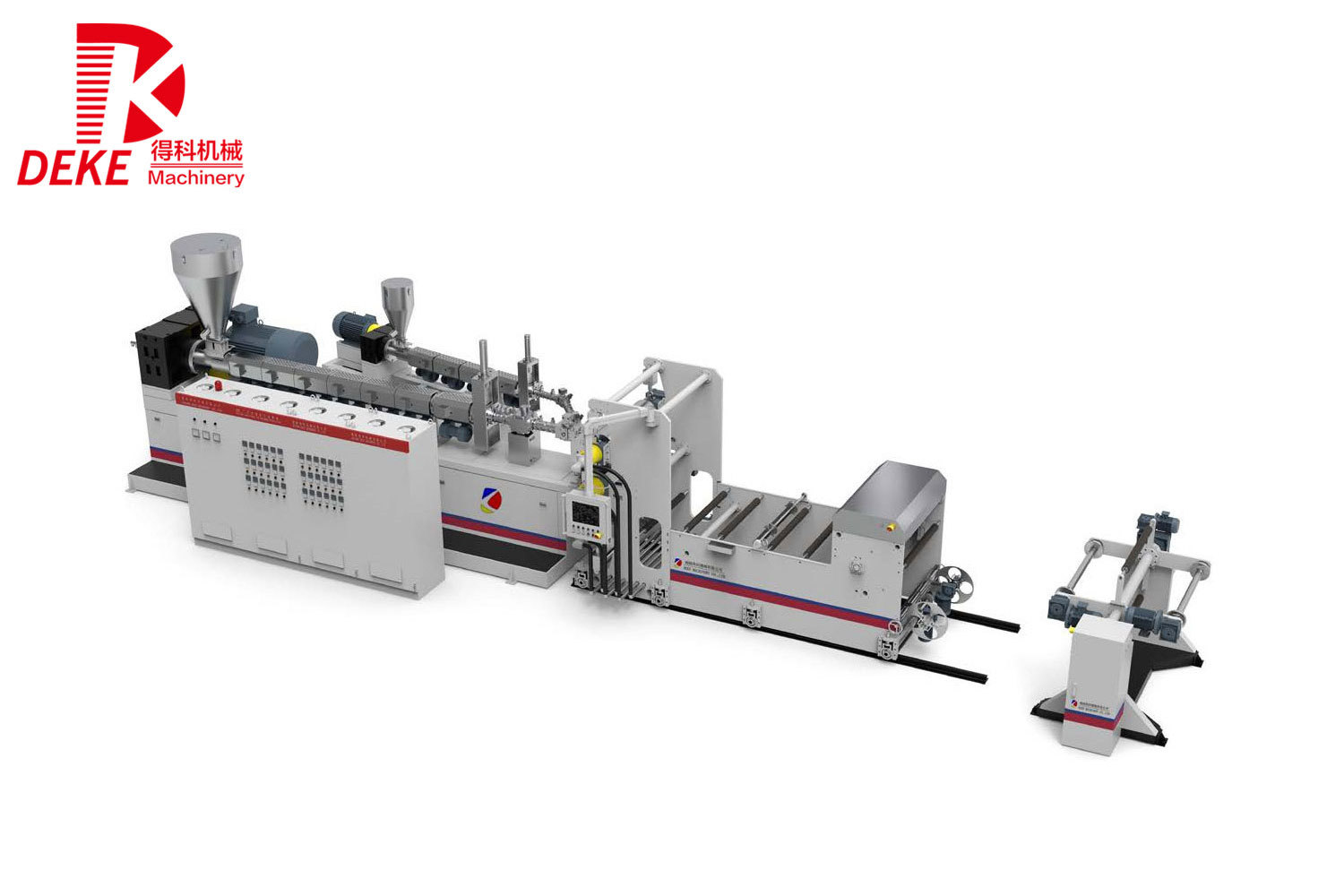
At the core of twin screw extruders is their dual screw configuration, which allows for a high degree of mixing and compounding efficiency. Unlike single screw extruders, twin screw extruders possess two intermeshing screws that facilitate a continuous and homogeneous mixture of materials. This design enables optimal shear and pressure, which are crucial for achieving desired properties in the final product. The intermeshing screws allow for better melting and compounding of polymers, leading to enhanced material properties.
One of the primary advantages of twin screw extruders is their versatility. They can process a wide range of materials, including thermoplastics, thermosets, and elastomers, making them suitable for various applications across different industries. Additionally, twin screw extruders are highly efficient in incorporating additives such as colorants, stabilizers, and fillers into the polymer base. This capability is crucial for manufacturers looking to produce specialty compounds that meet specific performance criteria.
Another significant benefit of twin screw extruders is their ability to operate under controlled temperature and pressure conditions. This feature is vital for maintaining the integrity of sensitive materials that may degrade under excessive heat or pressure. By using temperature control systems and advanced monitoring technologies, operators can ensure that the compounding process remains stable and consistent, resulting in high-quality end products.
The modular design of twin screw extruders also enhances their flexibility. Manufacturers can configure the extruder with various screw elements, such as mixing zones, pumping zones, and venting sections, tailored to specific compounding requirements. This customization allows for the optimization of material flow and processing performance, addressing the diverse needs of different applications.
In summary, twin screw extruders play a critical role in the compounding process, offering advantages such as enhanced mixing capabilities, versatility across different materials, controlled processing conditions, and customizable configurations. As the demand for high-performance plastic compounds continues to rise, the importance of twin screw extruders within the manufacturing sector will only increase, solidifying their position as a key component in modern plastic processing machinery. Understanding these machines’ operational principles and advantages can help manufacturers make informed decisions in their production processes, ultimately leading to improved product quality and operational efficiency.
RELATED INFORMATION

Why Choose Conical Twin Screw for Your Next Extrusion Project?
Why Choose Conical Twin Screw for Your Next Extrusion Project? Understanding Extrusion Technology In the realm of **plastic processing**, extrusion is an essential manufacturing technique that transforms raw plastic materials into usable products. The **extrusion process** involves forcing molten plastic through a die to create continuous shapes like sheets, films, and profiles. With advancements
Understanding the Advantages of Counter Rotating Twin Screw Extruders for Plastic Processing
Counter rotating twin screw extruders are pivotal in the plastic processing industry, recognized for their versatility and efficiency. Unlike single screw extruders, twin screw extruders feature two intermeshing screws that rotate in opposite directions. This design allows for enhanced material handling and processing capabilities, making them suitable for a wide array of applications. One of the

Website

Copyright©Jieyang Deke Machinery Co., Ltd.