
The Essential Role of PE Foam Sheet Extruders in Modern Manufacturing Processes
2025-05
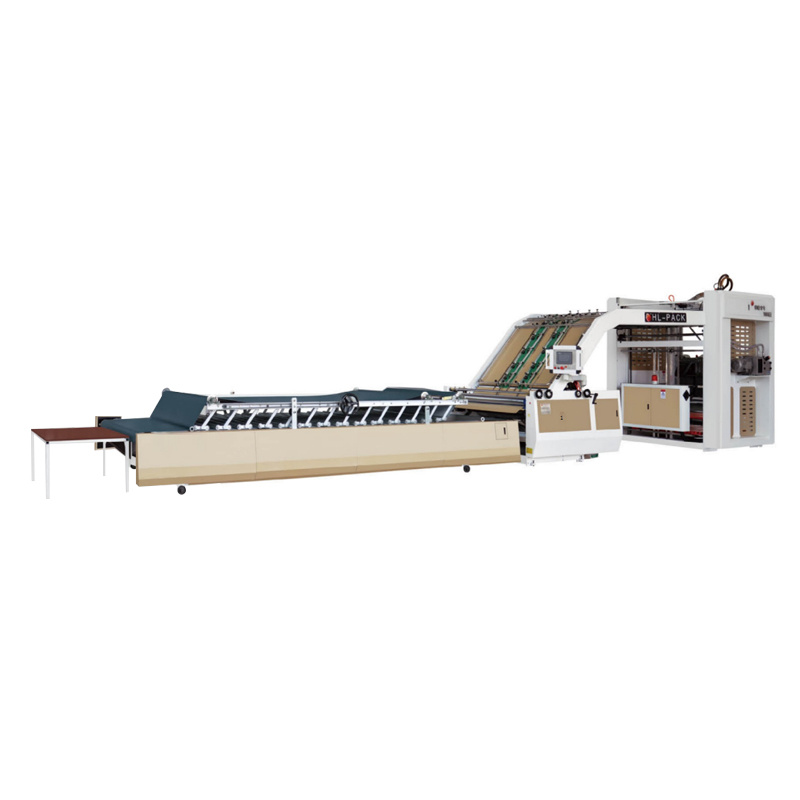
The Essential Role of PE Foam Sheet Extruders in Modern Manufacturing Processes
Manufacturing industries today are constantly evolving, driven by innovation and efficiency. Among the various technologies that facilitate this progress, **PE foam sheet extruders** hold a significant place. Understanding their role and applications can provide insights into the future of manufacturing processes.
Table of Contents
1. Introduction to PE Foam Sheet Extruders
2. What is PE Foam?
3. How PE Foam Sheet Extruders Work
4. Types of PE Foam Sheet Extruders
5. Applications of PE Foam Sheets in Various Industries
6. Benefits of Using PE Foam Sheet Extruders
7. Environmental Impact and Sustainability
8. The Future of PE Foam Sheet Extrusion Technology
9. Frequently Asked Questions
10. Conclusion
Introduction to PE Foam Sheet Extruders
PE foam, or polyethylene foam, is a versatile material used across multiple manufacturing sectors. PE foam sheet extruders are specialized machines designed to create foam sheets from polyethylene resin. These extruders are not just machines; they are integral components of modern manufacturing processes. By producing foam sheets of various densities and thicknesses, they enable manufacturers to meet diverse requirements across numerous applications, from packaging to insulation.
What is PE Foam?
**Polyethylene foam** is a lightweight, closed-cell structure that offers excellent cushioning properties. Its unique characteristics, such as chemical resistance, moisture resistance, and thermal insulation, make it an ideal choice for various applications. The foam can be produced in different densities and thicknesses, allowing for tailored solutions to meet specific needs.
The two primary types of polyethylene foam are:
- **Low-Density Polyethylene (LDPE)**: This type is softer and offers more flexibility, making it suitable for applications requiring cushioning and shock absorption.
- **High-Density Polyethylene (HDPE)**: Denser and more rigid, HDPE is often used in applications requiring higher durability and strength.
How PE Foam Sheet Extruders Work
The operation of a PE foam sheet extruder is a fascinating process that can be broken down into several key stages:
1. **Feeding the Material**: The process begins with feeding polyethylene pellets into the hopper of the extruder.
2. **Melting the Material**: The pellets are then conveyed through a heated barrel where they are gradually melted using a combination of mechanical and thermal energy.
3. **Foaming Agent Addition**: A foaming agent is introduced into the molten polyethylene. This agent creates gas bubbles that expand the material, forming a foam structure.
4. **Extrusion through a Die**: The blended material is forced through a die, shaping it into sheets of desired thickness.
5. **Cooling and Cutting**: The extruded foam sheets are cooled and cut to specified dimensions for various applications.
This continuous process allows for high-volume production of foam sheets, catering to the demands of modern manufacturing.
Types of PE Foam Sheet Extruders
There are several types of PE foam sheet extruders, each designed to cater to specific manufacturing needs:
1. **Single-Screw Extruders**: These are the most common type, featuring a single screw that conveys and melts the material. They are ideal for low to medium production volumes.
2. **Twin-Screw Extruders**: For higher production rates and better mixing capabilities, twin-screw extruders are preferred. They are effective in processing a wide range of formulations and additives.
3. **Co-Extruders**: These machines allow for the simultaneous extrusion of multiple layers, enabling manufacturers to create laminated foam sheets with enhanced properties.
Understanding the different types of extruders helps manufacturers choose the right equipment for their specific production needs.
Applications of PE Foam Sheets in Various Industries
PE foam sheets find applications across a wide range of industries due to their versatility and favorable properties. Some notable applications include:
- **Packaging**: PE foam sheets are extensively used for protective packaging, providing cushioning for fragile items during shipping.
- **Construction**: In building applications, PE foam serves as insulation material, contributing to energy efficiency by minimizing heat loss.
- **Automotive**: The automotive industry uses foam sheets for interior padding and soundproofing, enhancing comfort and reducing noise.
- **Electronics**: PE foam is utilized for protective packaging of electronic devices, ensuring they remain safe during transportation.
- **Medical**: In the medical field, PE foam sheets are used for cushioning in various devices and medical packaging, ensuring safety and hygiene.
Benefits of Using PE Foam Sheet Extruders
Utilizing PE foam sheet extruders in manufacturing processes offers several advantages:
1. **Cost-Effectiveness**: By optimizing the production process, manufacturers can reduce material waste and lower costs.
2. **Versatility**: PE foam can be customized to meet specific requirements, making it suitable for various applications across industries.
3. **Durability**: PE foam sheets are resistant to moisture and chemicals, extending their lifespan in different environments.
4. **Efficiency**: Extruders enable high-volume production, ensuring that manufacturers can meet market demands without compromising quality.
5. **Sustainability**: Many PE foam products can be recycled, contributing to more sustainable manufacturing practices.
These benefits illustrate why PE foam sheet extruders have become a staple in modern manufacturing.
Environmental Impact and Sustainability
As industries increasingly focus on sustainability, the role of PE foam sheet extruders is evolving. Manufacturers are adopting eco-friendly practices, including:
- **Using Recycled Materials**: Many extruders now allow for the incorporation of recycled polyethylene, reducing the carbon footprint.
- **Minimizing Waste**: Advanced extrusion technologies help optimize material usage, leading to less waste during production.
- **Energy Efficiency**: Modern extruders are designed to consume less energy, aligning with sustainability goals.
By embracing these practices, manufacturers can contribute to a more sustainable future while still benefiting from the advantages of PE foam.
The Future of PE Foam Sheet Extrusion Technology
The future of PE foam sheet extrusion is promising, with ongoing advancements in technology and production techniques. Key trends to watch include:
1. **Smart Extrusion Technology**: The integration of IoT and AI in extrusion processes is set to enhance monitoring and control, improving efficiency and product quality.
2. **Customized Solutions**: As industries demand more specialized products, extruders will evolve to provide tailored solutions that meet specific needs.
3. **Sustainability Innovations**: Continued focus on environmentally friendly practices will drive the development of new materials and processes, further minimizing the environmental impact.
By staying ahead of these trends, manufacturers can leverage PE foam sheet extruders to remain competitive in the evolving market landscape.
Frequently Asked Questions
1. What are the primary applications of PE foam sheets?
PE foam sheets are widely used in packaging, construction, automotive, electronics, and medical fields, offering insulation, cushioning, and protective properties.
2. How do PE foam sheet extruders work?
PE foam sheet extruders melt polyethylene pellets, mix them with a foaming agent, and extrude the mixture through a die to produce foam sheets.
3. What types of extruders are available for PE foam production?
The main types include single-screw, twin-screw, and co-extruders, each catering to different production needs.
4. Are PE foam sheets environmentally friendly?
While PE foam is recyclable, sustainable practices are increasingly being adopted in production to minimize waste and energy consumption.
5. What are the benefits of using PE foam sheet extruders in manufacturing?
Benefits include cost-effectiveness, versatility, durability, efficiency, and sustainability, making them essential for modern manufacturing processes.
Conclusion
PE foam sheet extruders are essential to modern manufacturing processes, providing versatility and efficiency across various applications. As industries continue to evolve, the importance of these machines will only grow. By understanding their operation, applications, and benefits, manufacturers can harness the power of PE foam sheet extruders to enhance their production capabilities and contribute to sustainable practices. Embracing these advancements will ensure that businesses remain competitive in an ever-changing landscape.
Previous Page:
RELATED INFORMATION

Why Choose Conical Twin Screw for Your Next Extrusion Project?
Why Choose Conical Twin Screw for Your Next Extrusion Project? Understanding Extrusion Technology In the realm of **plastic processing**, extrusion is an essential manufacturing technique that transforms raw plastic materials into usable products. The **extrusion process** involves forcing molten plastic through a die to create continuous shapes like sheets, films, and profiles. With advancements
Understanding the Advantages of Counter Rotating Twin Screw Extruders for Plastic Processing
Counter rotating twin screw extruders are pivotal in the plastic processing industry, recognized for their versatility and efficiency. Unlike single screw extruders, twin screw extruders feature two intermeshing screws that rotate in opposite directions. This design allows for enhanced material handling and processing capabilities, making them suitable for a wide array of applications. One of the

Website

Copyright©Jieyang Deke Machinery Co., Ltd.