
Maximizing Productivity with HIPS Sheet Co-Extruders in Your Factory
2025-05
Maximizing Productivity with HIPS Sheet Co-Extruders in Your Factory
Table of Contents
- 1. Introduction to HIPS Sheet Co-Extruders
- 2. Understanding HIPS (High-Impact Polystyrene)
- 3. Benefits of Co-Extrusion for HIPS Sheets
- 4. How HIPS Sheet Co-Extruders Work
- 5. Strategies for Maximizing Efficiency with HIPS Co-Extruders
- 6. Common Challenges and Solutions in HIPS Co-Extrusion
- 7. Maintenance Best Practices for Co-Extruders
- 8. Future Trends in HIPS Co-Extrusion Technology
- 9. Conclusion
- 10. FAQs about HIPS Sheet Co-Extruders
1. Introduction to HIPS Sheet Co-Extruders
In the ever-evolving landscape of manufacturing, companies strive to enhance productivity while minimizing costs. HIPS (High-Impact Polystyrene) sheet co-extruders have emerged as a significant innovation in the plastic processing industry, enabling factories to create high-quality products with increased efficiency. This article delves deeply into the advantages of HIPS sheet co-extruders and provides insights on how to optimize their use in your manufacturing processes.
2. Understanding HIPS (High-Impact Polystyrene)
HIPS, or High-Impact Polystyrene, is a versatile thermoplastic polymer known for its excellent impact resistance and durability. It is widely used in various applications, from packaging to consumer products. The unique characteristics of HIPS make it an ideal choice for co-extrusion processes.
2.1 Properties of HIPS
HIPS is characterized by its:
- **High Impact Strength**: It can withstand significant stress, making it suitable for a variety of applications.
- **Good Processability**: HIPS can be easily molded and extruded, allowing for flexibility in manufacturing.
- **Cost-Effectiveness**: The material is relatively inexpensive compared to other plastics, providing an economical option for manufacturers.
2.2 Applications of HIPS
HIPS is commonly used in:
- **Food Packaging**: Its safety and durability make it an excellent option for food containers.
- **Electronics**: HIPS is used in housing and components due to its insulating properties.
- **Toys and Consumer Goods**: Its toughness makes it a popular choice for various consumer products.
3. Benefits of Co-Extrusion for HIPS Sheets
Co-extrusion involves the simultaneous extrusion of two or more layers of materials to create a composite product. This technique offers several benefits, particularly when applied to HIPS sheets.
3.1 Enhanced Product Performance
By co-extruding HIPS with other materials, manufacturers can significantly enhance the product's performance. This can include improved barrier properties, better surface finish, and increased strength.
3.2 Cost Efficiency
Co-extrusion allows manufacturers to use less expensive materials in inner layers while maintaining high-quality surfaces, leading to overall cost savings.
3.3 Customization
With co-extrusion, manufacturers can easily customize the properties of HIPS sheets, tailoring them to specific applications. This flexibility can lead to greater market competitiveness.
4. How HIPS Sheet Co-Extruders Work
Understanding the operational mechanics of HIPS sheet co-extruders is crucial for maximizing productivity.
4.1 Basic Components of a Co-Extruder
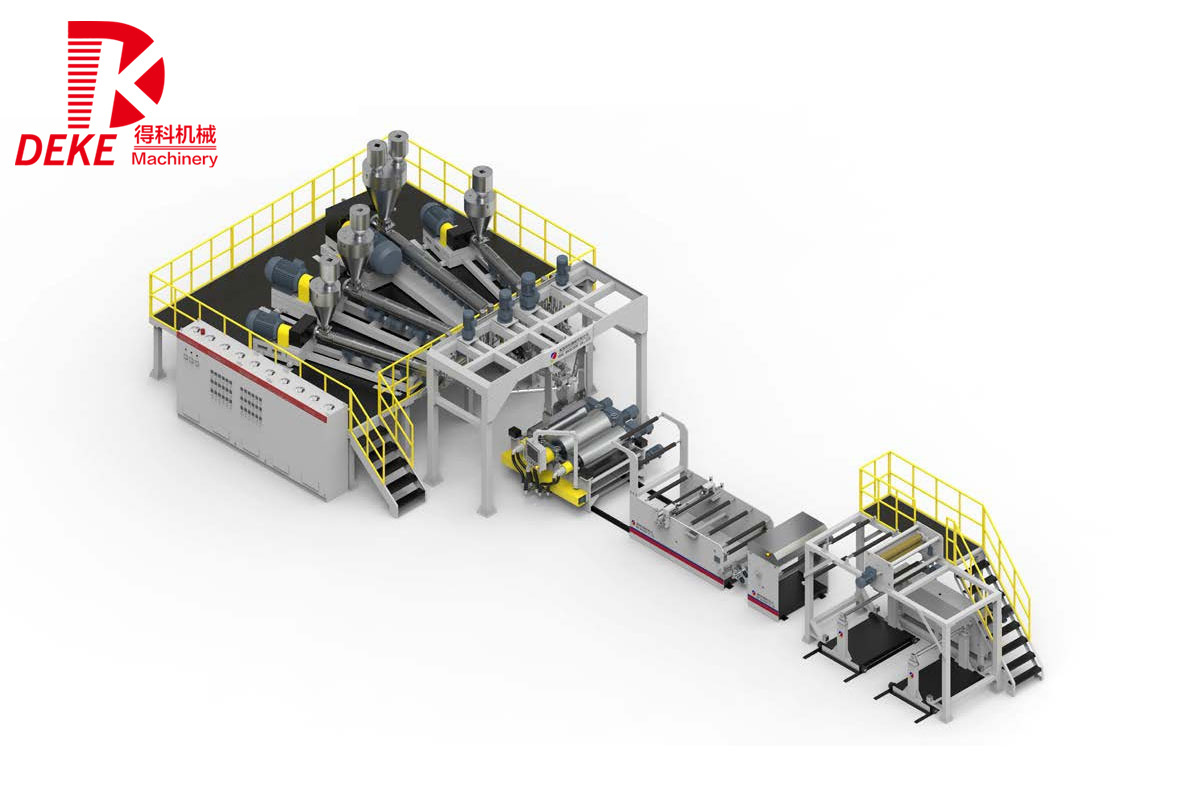
A typical HIPS sheet co-extruder consists of:
- **Extrusion Screws**: These are responsible for melting and mixing the materials.
- **Die Head**: This part shapes the molten plastic into sheets of the desired thickness.
- **Cooling System**: After extrusion, the sheets are cooled to maintain their shape and properties.
4.2 The Co-Extrusion Process
1. **Material Feeding**: Different materials are fed into the extruder simultaneously.
2. **Melting and Mixing**: The extrusion screws melt and homogeneously mix the materials.
3. **Shaping**: The mixed material exits through the die head, forming sheets.
4. **Cooling and Handling**: The sheets are cooled and rolled for further processing.
5. Strategies for Maximizing Efficiency with HIPS Co-Extruders
To harness the full potential of HIPS sheet co-extruders, factories can implement several strategies that focus on efficiency and productivity.
5.1 Optimize Material Selection
Choosing the right materials for co-extrusion is crucial. Selecting materials that complement each other in terms of melting temperature and flow characteristics can enhance the co-extrusion process.
5.2 Implement Advanced Control Systems
Integrating advanced control systems can lead to improved precision in the extrusion process. Automated monitoring can help in adjusting temperatures, pressures, and speeds in real-time.
5.3 Regular Training for Operators
Investing in operator training ensures that personnel are well-versed in the intricacies of the co-extrusion process. This can lead to fewer errors and higher production rates.
5.4 Continuous Process Improvement
Adopting methodologies such as Lean Manufacturing can help identify waste and inefficiencies in the production process. Regular assessments of the co-extrusion process can lead to significant improvements over time.
6. Common Challenges and Solutions in HIPS Co-Extrusion
While co-extrusion offers numerous advantages, it is not without challenges. Identifying these issues and implementing effective solutions is essential for maintaining productivity.
6.1 Material Compatibility Issues
Incompatibility between the co-extruded materials can lead to poor adhesion and product defects. Careful selection and testing of materials can mitigate this risk.
6.2 Equipment Malfunctions
Regular maintenance and swift repair of equipment can prevent unplanned downtimes that can disrupt the production process.
6.3 Quality Control Challenges
Maintaining consistent quality can be challenging. Implementing stringent quality control measures and using automated inspection systems can help ensure that products meet specified standards.
7. Maintenance Best Practices for Co-Extruders
Regular maintenance of HIPS sheet co-extruders is vital for ensuring longevity and optimal performance.
7.1 Daily Inspections
Conducting daily inspections of critical components can help identify wear and tear before they lead to significant issues.
7.2 Scheduled Maintenance
Establishing a routine maintenance schedule ensures that all parts of the co-extruder are serviced regularly, thus preventing unexpected breakdowns.
7.3 Use of Quality Spare Parts
Utilizing high-quality spare parts when replacements are necessary can significantly enhance the performance and lifespan of the co-extruder.
8. Future Trends in HIPS Co-Extrusion Technology
The field of HIPS co-extrusion is continuously evolving, with several trends emerging that promise to reshape the industry.
8.1 Integration of Smart Technologies
The rise of smart manufacturing technologies, including IoT and AI, is set to revolutionize the co-extrusion process by providing real-time data and predictive maintenance capabilities.
8.2 Sustainable Practices
With growing concerns about sustainability, there is a shift towards using recycled materials and more energy-efficient processes in co-extrusion.
8.3 Enhanced Customization Capabilities
Future advancements may allow for even greater customization of HIPS products, including multi-layered structures that can meet diverse market needs.
9. Conclusion
Maximizing productivity with HIPS sheet co-extruders is not just about adopting new technologies; it involves a comprehensive approach that includes optimizing material selection, enhancing operational efficiency, and ensuring consistent quality. By implementing the strategies outlined in this article, manufacturers can significantly improve their production processes and stay competitive in the rapidly changing plastic processing industry.
10. FAQs about HIPS Sheet Co-Extruders
10.1 What are HIPS sheet co-extruders used for?
HIPS sheet co-extruders are primarily used in the production of high-impact polystyrene sheets for various applications, including packaging, electronics, and consumer goods.
10.2 How does co-extrusion enhance product quality?
Co-extrusion allows for the combination of different materials, which can lead to improved strength, barrier properties, and surface finishes, resulting in higher-quality products.
10.3 What challenges are associated with HIPS co-extrusion?
Challenges may include material compatibility, equipment malfunctions, and maintaining consistent quality throughout the production process.
10.4 How can manufacturers reduce downtime in co-extrusion processes?
Regular maintenance, staff training, and the use of advanced control systems can significantly reduce downtime during co-extrusion operations.
10.5 What future developments can we expect in HIPS co-extrusion technology?
Future developments may include the integration of smart technologies for real-time monitoring, sustainable practices with recycled materials, and enhanced customization capabilities.
RELATED INFORMATION

Why Choose Conical Twin Screw for Your Next Extrusion Project?
Why Choose Conical Twin Screw for Your Next Extrusion Project? Understanding Extrusion Technology In the realm of **plastic processing**, extrusion is an essential manufacturing technique that transforms raw plastic materials into usable products. The **extrusion process** involves forcing molten plastic through a die to create continuous shapes like sheets, films, and profiles. With advancements
Understanding the Advantages of Counter Rotating Twin Screw Extruders for Plastic Processing
Counter rotating twin screw extruders are pivotal in the plastic processing industry, recognized for their versatility and efficiency. Unlike single screw extruders, twin screw extruders feature two intermeshing screws that rotate in opposite directions. This design allows for enhanced material handling and processing capabilities, making them suitable for a wide array of applications. One of the

Website

Copyright©Jieyang Deke Machinery Co., Ltd.