
How to Choose the Right Materials for Your Conical Twin Screw Extruder: A Comprehensive Guide
2025-06
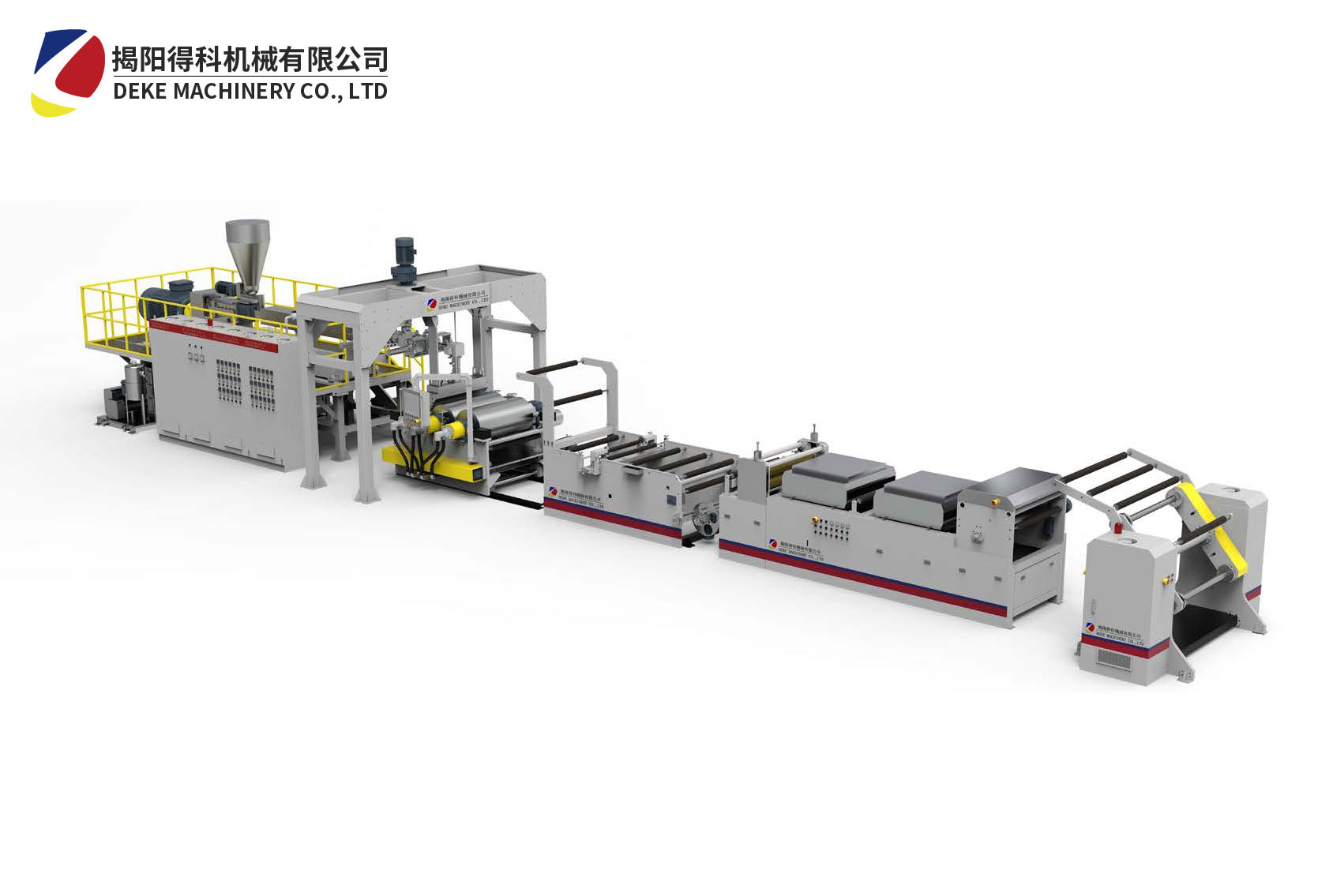
How to Choose the Right Materials for Your Conical Twin Screw Extruder
Choosing the right materials for your **conical twin screw extruder** is critical for optimizing performance and ensuring the production of high-quality products. In this guide, we delve deep into the factors that influence material selection, providing you with the knowledge needed to make informed decisions.
Understanding Conical Twin Screw Extruders
Conical twin screw extruders are renowned for their versatility and efficiency in processing a wide range of materials, particularly in the plastics industry. They utilize two intermeshing screws that transport and mix materials as they are heated and melted. **Understanding how these machines work** lays the foundation for selecting the appropriate materials.
The Role of Materials in Extrusion Process
The material you choose directly impacts the extrusion process, affecting aspects like:
- **Melt flow characteristics**
- **Temperature resistance**
- **Viscosity**
- **Thermal stability**
Selecting materials with the right properties ensures smooth processing, optimal throughput, and minimal downtime.
Key Factors to Consider When Selecting Materials
When it comes to selecting materials for your conical twin screw extruder, several key factors should guide your decision:
1. Material Composition
The composition of the material will significantly influence its performance in the extruder. **Common materials used include:**
- **Thermoplastics**: Such as polyethylene (PE), polypropylene (PP), and polystyrene (PS), ideal for various applications.
- **Thermosets**: Materials like epoxy resins, which require specific processing conditions.
- **Compounds**: Blends of various polymers or additives to enhance specific properties.
Understanding the composition helps tailor the extrusion process to achieve desired product characteristics.
2. Thermal Properties
Different materials have varying thermal properties, influencing their melting and processing temperatures. Important thermal properties include:
- **Melting Temperature**: The temperature at which a material transitions from solid to liquid.
- **Decomposition Temperature**: The temperature at which a material begins to degrade.
Choosing materials that align with your extrusion temperatures is vital to avoid degradation and ensure high-quality outputs.
3. Viscosity and Flow Behavior
Viscosity is a crucial factor affecting how materials flow through the extruder. Key considerations include:
- **Melt Viscosity**: The viscosity of the material in its molten state.
- **Shear Rate**: The rate at which the material is deformed during processing.
Understanding these properties helps in selecting materials that allow for efficient processing and high output rates.
4. Additives and Fillers
Incorporating additives and fillers can enhance the properties of the base material. Common additives include:
- **Plasticizers**: Improve flexibility and processability.
- **Stabilizers**: Enhance thermal and UV stability.
- **Colorants**: Provide desired coloration.
Selecting the right additives can improve the performance and aesthetic qualities of the final product.
Types of Materials for Conical Twin Screw Extruders
A comprehensive understanding of the types of materials used in conical twin screw extrusion enables better decision-making. Below are some widely used materials:
1. Polyethylene (PE)
Polyethylene is a commonly used thermoplastic known for its **flexibility**, **chemical resistance**, and **low cost**. It is ideal for producing a variety of products, from films to containers.
Advantages of PE:
- Excellent moisture barrier properties
- High impact strength
- Suitable for a wide range of applications
2. Polypropylene (PP)
Polypropylene stands out due to its **high melting point** and **chemical resistance**. It is widely used in packaging, automotive parts, and textiles.
Benefits of Using PP:
- Good fatigue resistance
- Lightweight with high strength
- High thermal stability
3. Polystyrene (PS)
Polystyrene is valued for its **rigidity** and **optical clarity**, making it ideal for applications requiring transparency, such as packaging and disposable containers.
Key Benefits of PS:
- Low density
- Easy to process
- Good electrical insulation properties
4. Thermoplastic Elastomers (TPE)
TPEs combine the properties of rubber with thermoplastics, making them flexible yet durable. They are suitable for applications requiring a soft touch or flexibility.
Advantages of TPE:
- Excellent elasticity and flexibility
- Good weather resistance
- Easy to process and recycle
Performance Testing of Materials
Once materials are selected, it is essential to conduct performance testing to ensure they meet the required specifications. This includes:
1. Rheological Testing
Rheological tests evaluate how materials behave under different shear conditions. This helps predict how the material will flow through the extruder and its response to processing conditions.
2. Thermal Stability Testing
Thermal stability tests assess how materials perform under elevated temperatures. This is crucial for preventing degradation and ensuring product quality.
3. Mechanical Testing
Mechanical tests gauge the strength and durability of materials. This is vital for applications requiring longevity and resistance to wear.
Best Practices for Material Selection
Adopting best practices when selecting materials for your conical twin screw extruder can streamline operations and enhance product quality:
1. Collaborate with Suppliers
Establishing strong relationships with material suppliers can provide valuable insights into the latest materials and innovations. Suppliers can assist in selecting the right materials based on your specific needs.
2. Conduct Trial Runs
Before committing to full-scale production, conducting trial runs with selected materials allows for the evaluation of performance and identification of potential issues.
3. Monitor Processing Conditions
Consistency in processing conditions is essential for achieving uniform product quality. Regular monitoring helps maintain optimal temperatures, pressures, and flow rates.
Future Trends in Material Selection for Extrusion
As technology advances, new materials and innovations are emerging in the extrusion industry. Some key trends to watch for include:
1. Biodegradable Polymers
With an increasing focus on sustainability, biodegradable polymers are gaining traction. These materials offer environmentally friendly alternatives to traditional plastics, appealing to eco-conscious consumers.
2. Advanced Composites
Advanced composite materials are being developed to enhance performance characteristics, such as strength-to-weight ratios and thermal stability. These materials will likely expand the capabilities of conical twin screw extruders.
3. Smart Materials
Smart materials, which react to environmental stimuli, are on the rise. These materials can offer new functionalities, such as self-healing properties, paving the way for innovative applications in various industries.
FAQs
1. What types of materials can be processed in a conical twin screw extruder?
Conical twin screw extruders can process a variety of materials, including thermoplastics like polyethylene, polypropylene, and polystyrene, as well as thermosets and compounds.
2. How does the choice of material affect extrusion efficiency?
The choice of material affects melt flow, viscosity, and thermal properties, all of which influence extrusion efficiency and product quality.
3. What role do additives play in material selection for extrusion?
Additives can enhance material properties such as flexibility, stability, and color, allowing for tailored solutions to meet specific application requirements.
4. How should I test materials before full-scale production?
Conduct rheological, thermal stability, and mechanical tests to evaluate material performance and ensure it meets production requirements.
5. Are there any upcoming trends in materials for conical twin screw extruders?
Yes, trends include the use of biodegradable polymers, advanced composites, and smart materials that can offer enhanced functionality and sustainability.
Conclusion
Choosing the right materials for your **conical twin screw extruder** is a complex yet crucial process that significantly impacts the performance and quality of your products. By considering factors like material composition, thermal properties, and the use of additives, you can make informed decisions that enhance your manufacturing capabilities. Embracing best practices and staying abreast of emerging trends will further enable you to optimize your extrusion processes and meet evolving market demands. Ultimately, a well-informed material selection strategy will lead to improved efficiency, reduced waste, and higher-quality outputs, positioning your operations for long-term success in the competitive landscape of plastic processing.
RELATED INFORMATION

Why Choose Conical Twin Screw for Your Next Extrusion Project?
Why Choose Conical Twin Screw for Your Next Extrusion Project? Understanding Extrusion Technology In the realm of **plastic processing**, extrusion is an essential manufacturing technique that transforms raw plastic materials into usable products. The **extrusion process** involves forcing molten plastic through a die to create continuous shapes like sheets, films, and profiles. With advancements
Understanding the Advantages of Counter Rotating Twin Screw Extruders for Plastic Processing
Counter rotating twin screw extruders are pivotal in the plastic processing industry, recognized for their versatility and efficiency. Unlike single screw extruders, twin screw extruders feature two intermeshing screws that rotate in opposite directions. This design allows for enhanced material handling and processing capabilities, making them suitable for a wide array of applications. One of the

Website

Copyright©Jieyang Deke Machinery Co., Ltd.