
Understanding the Cooling Systems in Conical Twin Screw Extruders: A Comprehensive Guide
2025-06
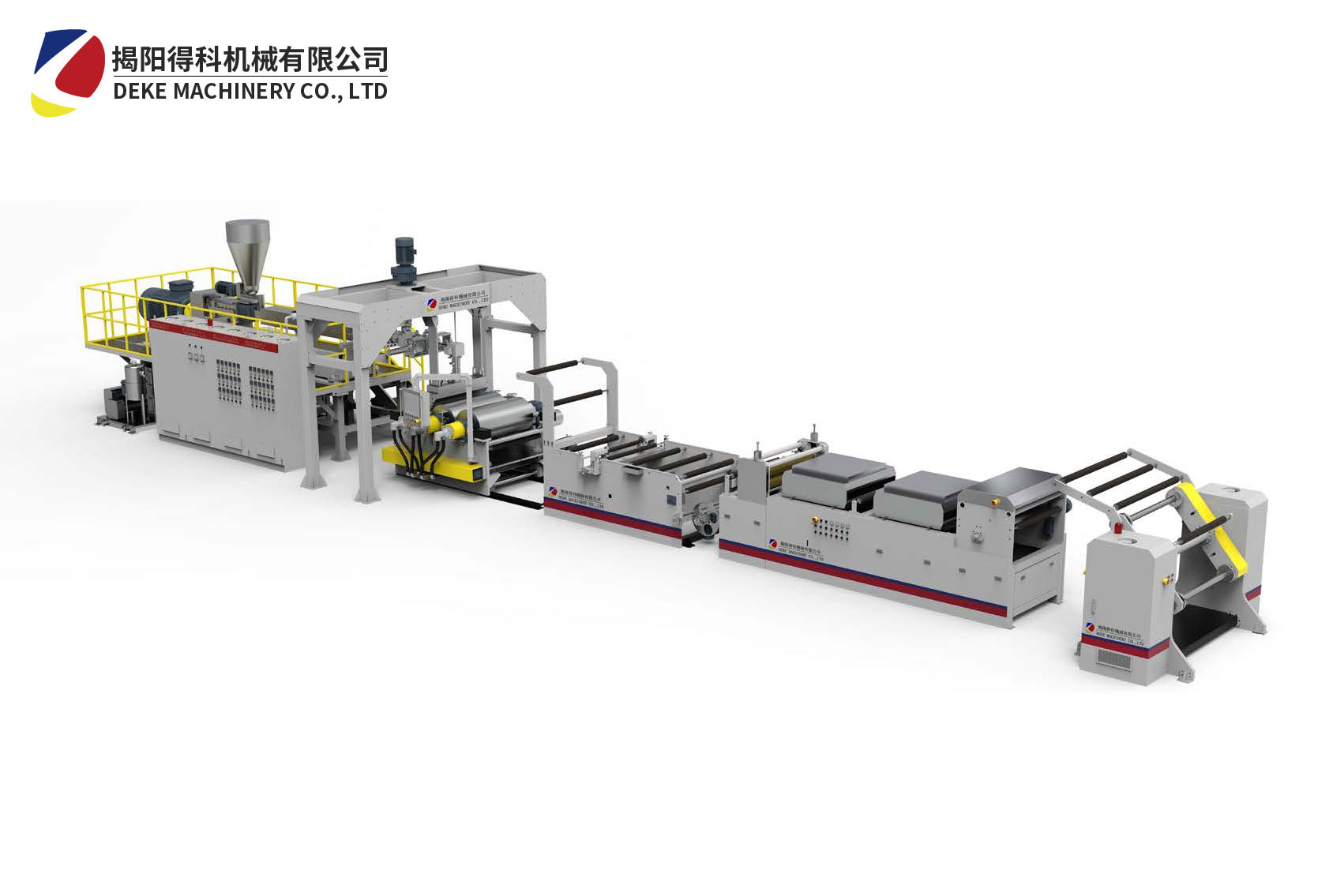
Understanding the Cooling Systems in Conical Twin Screw Extruders
Table of Contents
- 1. Introduction to Conical Twin Screw Extruders
- 2. The Importance of Cooling Systems in Extrusion
- 3. How Cooling Systems Work in Conical Twin Screw Extruders
- 4. Types of Cooling Systems Used in Conical Twin Screw Extruders
- 5. Key Design Features of Cooling Systems
- 6. Challenges in Cooling System Implementation
- 7. Technological Advancements in Cooling Systems
- 8. Best Practices for Maintaining Cooling Systems
- 9. Frequently Asked Questions (FAQs)
- 10. Conclusion
1. Introduction to Conical Twin Screw Extruders
Conical twin screw extruders are specialized machines widely used in the plastic processing industry. Unique in their design, these extruders feature two intermeshing screws that rotate in a conical configuration. The design allows for better material mixing, improved thermal control, and enhanced processing efficiency. In the realm of plastic manufacturing, understanding how cooling systems function within these extruders is essential for optimizing the extrusion process.
2. The Importance of Cooling Systems in Extrusion
Cooling systems play a vital role in the operation of conical twin screw extruders. Proper temperature management is crucial for maintaining the integrity of the polymer being processed. If the temperature exceeds certain limits, it can lead to material degradation, affecting the quality of the final product. Efficient cooling systems help in maintaining a stable processing environment, ultimately improving product consistency, reducing cycle times, and enhancing overall productivity.
3. How Cooling Systems Work in Conical Twin Screw Extruders
Cooling systems in conical twin screw extruders typically operate by circulating a cooling medium, such as water, air, or oil, around the extruder's barrel and screws. This circulation absorbs heat generated during the plasticizing process, thus regulating the temperature. The cooling medium is usually pumped through a series of channels or jackets surrounding the extruder, ensuring uniform heat dissipation. Effective cooling is achieved by finely tuning the flow rates and temperatures of the cooling medium to match the processing requirements.
4. Types of Cooling Systems Used in Conical Twin Screw Extruders
Various cooling systems can be employed in conical twin screw extruders, each with its advantages and applications.
4.1 Water Cooling Systems
Water cooling systems are among the most common cooling methods used in extrusion processes. They utilize water as the cooling medium, which efficiently absorbs heat due to its high specific heat capacity. Water cooling systems can be easily implemented and are cost-effective. These systems are particularly effective for materials that require rapid cooling to maintain desired properties.
4.2 Air Cooling Systems
Air cooling systems rely on ambient air to cool the extruder. They are less efficient than water systems but can be advantageous in certain situations, such as when water is not readily available. Air cooling can be beneficial for specific applications where minimal moisture exposure is critical. However, the cooling efficiency is highly dependent on environmental conditions.
4.3 Oil Cooling Systems
Oil cooling systems utilize oil as the cooling medium. These systems are effective for high-temperature applications where water might cause condensation or other issues. Oil can maintain higher temperatures without boiling, allowing for precise temperature control even in challenging processing conditions. Although initial investment and maintenance may be higher, the benefits in terms of thermal stability can justify the costs.
5. Key Design Features of Cooling Systems
When considering the design of cooling systems for conical twin screw extruders, several key features are crucial:
- **Jacket Design**: The cooling jacket must be designed to ensure maximum surface area contact with the extruder barrel.
- **Flow Rate Control**: Adjustable flow rates of the cooling medium can help fine-tune temperature control based on the specific material being processed.
- **Temperature Sensors**: Integrating temperature sensors allows for real-time monitoring and adjustments to the cooling process, ensuring optimal performance.
- **Insulation**: Proper insulation of cooling systems can minimize heat loss and improve energy efficiency during processing.
6. Challenges in Cooling System Implementation
Implementing an efficient cooling system in conical twin screw extruders can pose several challenges:
- **Material Compatibility**: Different polymers have varying thermal properties, which can complicate the cooling process.
- **Heat Distribution**: Achieving uniform heat distribution across the extruder barrel can be challenging due to design constraints.
- **Maintenance Needs**: Regular maintenance is essential to ensure cooling systems remain effective, which can add to operational costs.
- **Cost Implications**: Initial setup and ongoing operational costs can vary widely, impacting the overall return on investment.
7. Technological Advancements in Cooling Systems
Recent advancements in cooling technology have opened new avenues for enhancing the efficiency of cooling systems in conical twin screw extruders:
- **Smart Cooling Systems**: The integration of IoT technology allows for automated monitoring and control of cooling parameters, improving efficiency and reducing downtime.
- **Advanced Materials**: The use of advanced materials for cooling jackets enhances thermal conductivity and durability, leading to better performance.
- **Hybrid Cooling Solutions**: Combining different cooling methods (e.g., water and air) can optimize cooling performance based on specific processing requirements.
8. Best Practices for Maintaining Cooling Systems
To ensure optimal performance of cooling systems in conical twin screw extruders, consider the following best practices:
- **Regular Inspections**: Conduct routine inspections of cooling systems to identify leaks, blockages, or wear.
- **Routine Maintenance**: Schedule regular maintenance to clean cooling channels and replace worn components.
- **Monitor Performance**: Use temperature sensors and flow meters to continuously monitor cooling performance and make necessary adjustments.
- **Training Staff**: Ensure that operators are trained on the importance of cooling systems and how to maintain them effectively.
9. Frequently Asked Questions (FAQs)
1. What are the main purposes of cooling systems in conical twin screw extruders?
Cooling systems regulate the temperature during the extrusion process, preventing material degradation and maintaining product quality.
2. How do water cooling systems compare to air cooling systems?
Water cooling systems are generally more efficient than air cooling systems due to water's higher heat capacity, allowing for better heat absorption.
3. Can I use oil for cooling in all applications?
No, oil cooling is suitable for high-temperature applications but may not be ideal for all materials due to potential contamination issues.
4. What should I do if my cooling system isn't performing effectively?
Inspect the system for blockages or leaks, and consider adjusting the flow rates or seeking professional maintenance.
5. How often should I maintain my cooling system?
Regular maintenance should be scheduled based on usage, but typically quarterly inspections are recommended to ensure optimal performance.
10. Conclusion
In conclusion, the cooling systems in conical twin screw extruders are essential for maintaining optimal processing conditions in the plastic manufacturing industry. By understanding the importance of these systems, their various types, and the best practices for maintenance, manufacturers can enhance productivity, improve product quality, and achieve greater operational efficiency. Investing in advanced cooling technologies will continue to pay dividends as the industry evolves and demands higher performance from extrusion processes.
RELATED INFORMATION

Why Choose Conical Twin Screw for Your Next Extrusion Project?
Why Choose Conical Twin Screw for Your Next Extrusion Project? Understanding Extrusion Technology In the realm of **plastic processing**, extrusion is an essential manufacturing technique that transforms raw plastic materials into usable products. The **extrusion process** involves forcing molten plastic through a die to create continuous shapes like sheets, films, and profiles. With advancements
Understanding the Advantages of Counter Rotating Twin Screw Extruders for Plastic Processing
Counter rotating twin screw extruders are pivotal in the plastic processing industry, recognized for their versatility and efficiency. Unlike single screw extruders, twin screw extruders feature two intermeshing screws that rotate in opposite directions. This design allows for enhanced material handling and processing capabilities, making them suitable for a wide array of applications. One of the

Website

Copyright©Jieyang Deke Machinery Co., Ltd.