
How Conical Twin Screw Technology Revolutionizes Extrusion Machinery
2025-06
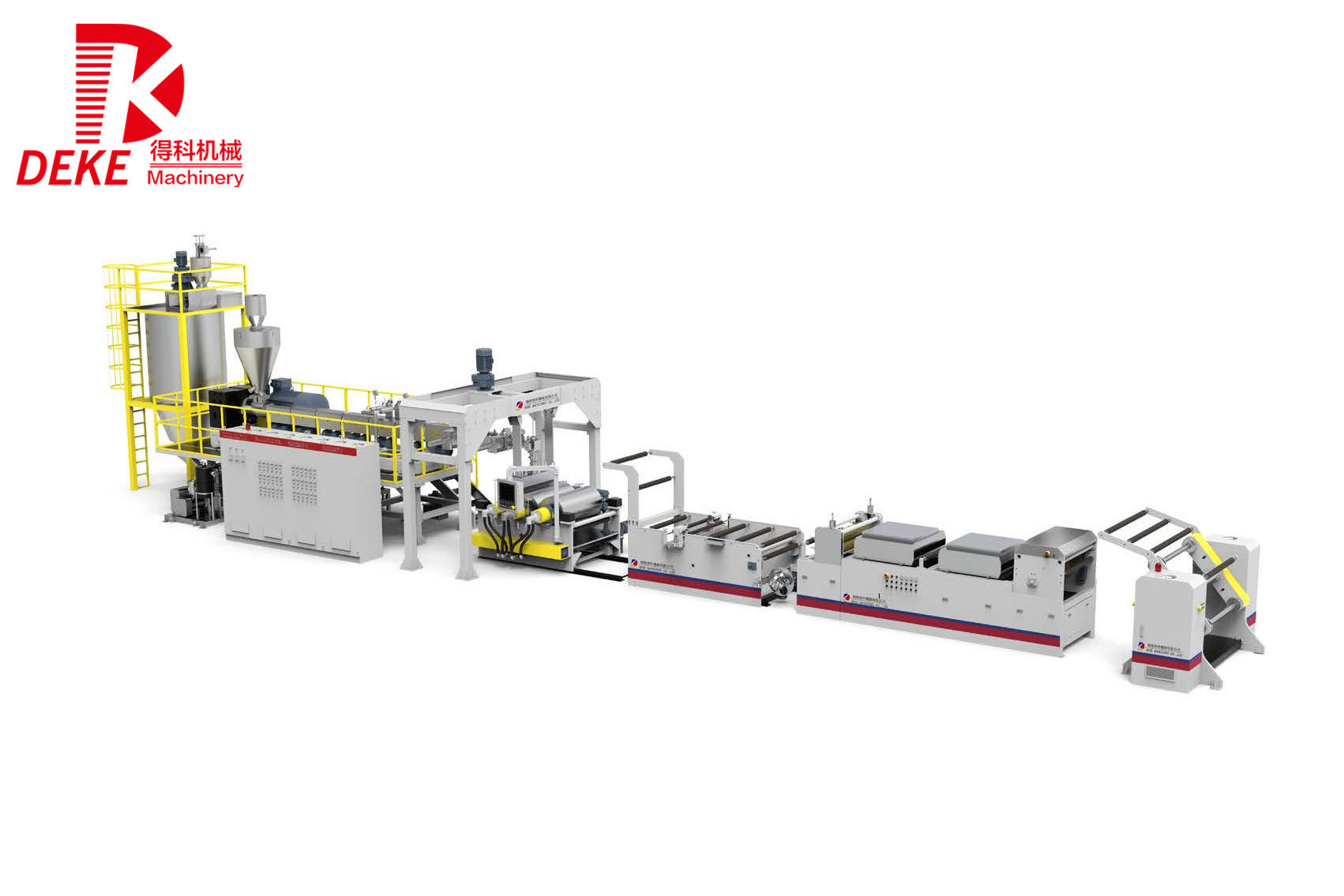
How Conical Twin Screw Technology Revolutionizes Extrusion Machinery
Table of Contents
- Introduction to Conical Twin Screw Technology
- Understanding Extrusion Machinery
- The Principle of Conical Twin Screw Technology
- Advantages of Conical Twin Screw Extruders
- Applications in Various Industries
- Challenges and Solutions in Implementation
- Future Trends in Extrusion Machinery
- Conclusion
- FAQs
Introduction to Conical Twin Screw Technology
In the world of **manufacturing and processing machinery**, the **conical twin screw technology** stands out as a groundbreaking advancement in **extrusion machinery**. This technology has redefined how we approach the extrusion process, enhancing efficiency, precision, and versatility. This article delves into the intricacies of conical twin screw technology, examining its advantages, applications, and the challenges it presents.
Understanding Extrusion Machinery
Extrusion machinery plays a pivotal role in the production of various materials, particularly in the **plastic processing industry**. It involves the continuous shaping of materials by forcing them through a die, thereby creating products ranging from simple tubes to complex shapes. The core components of extrusion machinery include a hopper, barrel, screw, and die.
The conventional extrusion process typically utilizes single-screw or parallel twin-screw extruders. However, the advent of **conical twin screw extruders** has brought about significant improvements in the efficiency and quality of extruded products.
The Principle of Conical Twin Screw Technology
Conical twin screw technology employs two intermeshing screws that are oriented at a slight angle to each other. This unique configuration allows for optimal material flow, improved mixing, and effective venting of gases. The design facilitates a higher degree of **pressure control** and **temperature management**, crucial for processing sensitive materials.
The conical shape of the screws enables a gradual transition of material from the feed zone to the metering zone, minimizing shear forces and enhancing the quality of the final product. This innovative approach significantly reduces energy consumption while maximizing output, making it a preferred choice for modern extrusion applications.
Advantages of Conical Twin Screw Extruders
The advantages of conical twin screw extruders are manifold, making them a game-changer in the industry. Here are some critical benefits:
1. Improved Mixing and Homogeneity
The unique design of conical twin screws allows for enhanced mixing capabilities. This results in a more homogeneous product with consistent quality, which is essential when processing materials with varying properties.
2. Enhanced Thermal Control
With the ability to manage temperature effectively, conical twin screw extruders reduce the risk of degradation in thermally sensitive materials. This feature is particularly beneficial for processing **high-performance polymers** and other delicate compounds.
3. Versatility in Processing
Conical twin screw extruders can handle a wide range of materials, including **thermoplastics, elastomers, and composites**. Their adaptability makes them suitable for various applications, from food processing to advanced materials development.
4. Energy Efficiency
The conical design significantly improves energy efficiency by requiring less power for the same output compared to conventional extruders. This reduction in energy consumption translates into cost savings and a smaller carbon footprint.
5. Reduced Shear Stress
The gentle processing characteristic of conical twin screw technology minimizes shear stress on the material. This aspect is crucial when working with sensitive or high-viscosity materials, as it preserves the integrity of the final product.
Applications in Various Industries
The versatility of conical twin screw technology finds applications across multiple industries. Here are a few notable ones:
1. Plastics Manufacturing
In the **plastics industry**, conical twin screw extruders are utilized for producing a variety of products, including films, sheets, and molded components. Their ability to mix additives uniformly leads to improved product performance.
2. Food Processing
Conical twin screw technology has made its way into the food industry, where it is employed for the extrusion of snacks, cereals, and pet food. The precise temperature control is vital for maintaining nutritional content and achieving desired textures.
3. Pharmaceuticals
In the pharmaceutical sector, this technology aids in the production of **pelletized medicines** and controlled-release drug formulations. The ability to process materials gently is crucial for ensuring the efficacy of pharmaceutical products.
4. Advanced Materials Development
The aerospace and automotive industries benefit from conical twin screw extruders in developing composite materials. These materials require precision and consistency, which this technology provides.
Challenges and Solutions in Implementation
While conical twin screw technology offers numerous advantages, it is not without challenges. Here are some common issues and their potential solutions:
1. Initial Cost Investment
The upfront cost of conical twin screw extruders can be higher than traditional systems. However, businesses can offset this investment through long-term savings in energy and material costs.
2. Technical Expertise Requirement
Operating and maintaining conical twin screw extruders may necessitate specialized training. Investing in employee education and operational training is essential to maximize the benefits of this technology.
3. Material Compatibility
Not all materials are suitable for processing with conical twin screws. Conducting thorough material assessments and trials can help identify optimal formulations for specific applications.
Future Trends in Extrusion Machinery
The future of extrusion machinery, particularly with conical twin screw technology, looks promising. Here are some anticipated trends:
1. Increased Automation
As Industry 4.0 continues to reshape manufacturing, we can expect greater automation in extrusion processes. This trend will enhance efficiency and reduce labor costs.
2. Eco-friendly Practices
Sustainability will play a significant role in the future of extrusion machinery. The push towards more eco-friendly materials and processes will drive the development of conical twin screw technology, focusing on reducing waste and energy consumption.
3. Advanced Material Development
Research into new materials and composites will likely accelerate, with conical twin screw extruders adapting to meet these emerging needs. This evolution will enable the production of innovative products across various sectors.
Conclusion
Conical twin screw technology is revolutionizing the extrusion machinery landscape, offering unmatched advantages in efficiency, versatility, and product quality. As industries continue to adapt and evolve, the importance of this technology will only grow. Investing in conical twin screw extruders will not only enhance production capabilities but also drive innovation in product development across multiple sectors.
FAQs
1. What are the main advantages of conical twin screw extruders compared to traditional extruders?
Conical twin screw extruders offer improved mixing, enhanced thermal control, energy efficiency, and reduced shear stress on materials.
2. In which industries is conical twin screw technology commonly used?
This technology is widely utilized in plastics manufacturing, food processing, pharmaceuticals, and advanced materials development.
3. Are there any challenges associated with implementing conical twin screw extruders?
Challenges include higher initial costs, the need for specialized technical expertise, and material compatibility issues.
4. How can businesses offset the initial investment in conical twin screw technology?
Long-term savings in energy and material costs, as well as increased production efficiency, can help offset initial investments.
5. What future trends can we expect in extrusion machinery?
Future trends include increased automation, eco-friendly practices, and advancements in material development, all of which will enhance the capabilities of conical twin screw technology.
RELATED INFORMATION

Why Choose Conical Twin Screw for Your Next Extrusion Project?
Why Choose Conical Twin Screw for Your Next Extrusion Project? Understanding Extrusion Technology In the realm of **plastic processing**, extrusion is an essential manufacturing technique that transforms raw plastic materials into usable products. The **extrusion process** involves forcing molten plastic through a die to create continuous shapes like sheets, films, and profiles. With advancements
Understanding the Advantages of Counter Rotating Twin Screw Extruders for Plastic Processing
Counter rotating twin screw extruders are pivotal in the plastic processing industry, recognized for their versatility and efficiency. Unlike single screw extruders, twin screw extruders feature two intermeshing screws that rotate in opposite directions. This design allows for enhanced material handling and processing capabilities, making them suitable for a wide array of applications. One of the

Website

Copyright©Jieyang Deke Machinery Co., Ltd.