
How PLA Sheet Extrusion Lines Are Revolutionizing Plastic Processing
2025-06
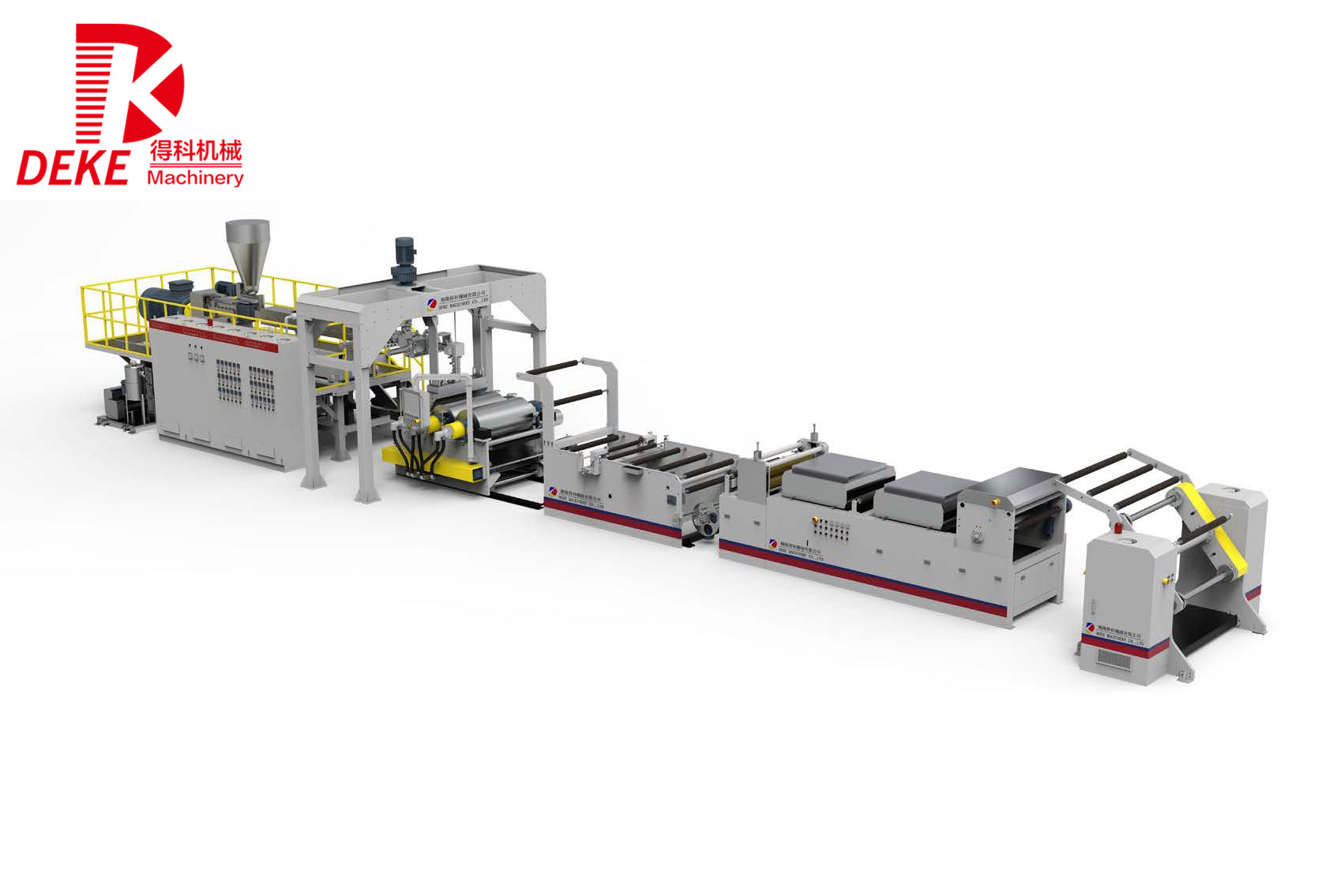
How PLA Sheet Extrusion Lines Are Revolutionizing Plastic Processing
Introduction to PLA and Its Significance in Plastic Processing
Polylactic Acid (PLA) has emerged as a **game-changer** in the world of plastics, primarily owing to its biodegradable characteristics and renewable sourcing. As environmental concerns intensify, the demand for sustainable materials like PLA has skyrocketed. This article delves into how **PLA sheet extrusion lines** are transforming the plastic processing landscape, leading to more efficient, eco-friendly manufacturing processes.
Understanding the Basics of PLA Sheet Extrusion
What is PLA?
PLA is a thermoplastic made from renewable resources, such as corn starch or sugar cane. Its ability to decompose naturally makes it a preferred choice in industries that prioritize sustainability. PLA can be processed into various forms, with sheets being one of the most versatile applications.
The Extrusion Process Explained
Extrusion is a continuous manufacturing process that involves melting plastic and forcing it through a die to create uniform shapes. In the case of PLA sheet extrusion, the process entails:
1. **Melting**: PLA pellets are heated until they turn into a viscous liquid.
2. **Forming**: The liquid is then pushed through a die to form flat sheets.
3. **Cooling**: The extruded sheets are cooled and solidified.
4. **Cutting**: Finally, the sheets are cut into desired dimensions for various applications.
The Advantages of PLA Sheet Extrusion Lines
1. Eco-Friendly Manufacturing
PLA sheet extrusion lines significantly reduce the carbon footprint associated with traditional plastic production. Unlike petroleum-based plastics, PLA is derived from renewable resources, which means less dependency on fossil fuels. Furthermore, the biodegradability of PLA contributes to reducing plastic waste in landfills.
2. Versatility in Applications
PLA sheets are incredibly versatile and can be tailored for various applications. From packaging to signage and even in the medical field, the adaptability of PLA allows for innovation across multiple sectors. The extrusion process can be modified to achieve specific thicknesses and properties, further enhancing its usability.
3. Cost-Effective Production
With advancements in PLA sheet extrusion technology, production costs have significantly decreased. The efficiency of modern extrusion lines means higher output with lower energy consumption. This allows manufacturers to produce high-quality PLA sheets at a competitive price point, making it an attractive option for businesses looking to switch to sustainable materials.
Technological Innovations in PLA Sheet Extrusion
Advanced Extrusion Technologies
The evolution of **extrusion technologies** has played a crucial role in improving the efficiency and quality of PLA production. Some notable innovations include:
- **Twin-Screw Extruders**: These allow for better mixing and melting, ensuring a uniform product.
- **Temperature Control Systems**: Precise temperature regulation optimizes the melting process, which directly impacts the quality of the final product.
- **Automation**: Automated systems minimize human error and streamline production processes, leading to faster turnaround times and consistent quality.
Quality Control Mechanisms
Maintaining high standards in production is essential for any manufacturing process. Modern PLA sheet extrusion lines incorporate various quality control mechanisms, including:
- **Real-Time Monitoring**: Sensors track the extrusion process, allowing for immediate adjustments to maintain product quality.
- **Testing Equipment**: Rigorous testing ensures that the sheets meet industry standards for thickness, durability, and biodegradability.
Environmental Impact of PLA Sheet Extrusion
Reducing Plastic Waste
One of the most significant advantages of PLA is its ability to decompose under industrial composting conditions. Unlike traditional plastics, which can take hundreds of years to break down, PLA can decompose within a few months. This capability drastically reduces plastic waste and its impact on the environment.
Lifecycle Assessment
A lifecycle assessment (LCA) evaluates the environmental impacts associated with all stages of a product's life. For PLA, the LCA demonstrates that:
- **Raw Material Sourcing**: The renewable nature of PLA results in lower greenhouse gas emissions during raw material acquisition.
- **Manufacturing Process**: The energy-efficient processes employed in PLA sheet extrusion further reduce its carbon footprint.
- **End of Life**: With proper disposal methods, PLA can return to the ecosystem, offering a sustainable alternative to traditional plastics.
Challenges Faced in PLA Sheet Extrusion
1. Material Limitations
Despite the numerous advantages, PLA has some limitations. Its lower heat resistance compared to traditional plastics can restrict its applications in high-temperature environments. Manufacturers need to consider these limitations when choosing PLA for specific uses.
2. Market Acceptance
While consumer awareness of sustainable materials is growing, there is still a challenge in market acceptance. Educating consumers and businesses about the benefits of PLA and its applications is crucial for driving demand and increasing market penetration.
Future Trends in PLA Sheet Extrusion Technology
Advancements in Material Science
The future of PLA sheet extrusion lies in ongoing research and development. Innovations in material science are expected to enhance the properties of PLA, making it suitable for even broader applications. Biocomposite materials, for example, combine PLA with natural fibers to improve strength and durability.
Integration with Circular Economy Practices
As the push for a circular economy continues, PLA sheet extrusion lines will likely play a more significant role. This involves designing products for reuse and recycling, which aligns perfectly with the sustainable attributes of PLA. Manufacturers are already exploring end-of-life scenarios that facilitate the recycling of PLA products.
FAQs About PLA Sheet Extrusion Lines
What is the main advantage of using PLA over traditional plastics?
The primary advantage is its biodegradability and sourcing from renewable resources, which makes it more environmentally friendly compared to petroleum-based plastics.
Can PLA sheets be recycled?
Yes, PLA sheets can be recycled, but the recycling infrastructure for PLA is still developing. Awareness and proper disposal methods are crucial for effective recycling.
What industries benefit from PLA sheet extrusion?
Industries such as packaging, medical devices, and consumer goods significantly benefit from PLA sheet extrusion due to its versatility and sustainability.
How does the cost of PLA compare to traditional plastics?
While PLA was initially more expensive, advancements in extrusion technology have reduced production costs, making it competitive with traditional plastics.
Is PLA suitable for outdoor applications?
Due to its lower heat resistance and susceptibility to UV degradation, PLA is generally not recommended for long-term outdoor applications without proper additives or coatings.
Conclusion
PLA sheet extrusion lines are at the forefront of revolutionizing the plastic processing industry, offering sustainable solutions that align with the growing demand for eco-friendly materials. The technological advancements in PLA extrusion not only enhance production efficiency but also contribute to reducing environmental impact. As we continue to explore and innovate in this space, the potential for PLA and its applications remains vast. Embracing these sustainable practices will not only benefit manufacturers but also pave the way for a cleaner, greener future for generations to come.
Previous Page:
RELATED INFORMATION

Why Choose Conical Twin Screw for Your Next Extrusion Project?
Why Choose Conical Twin Screw for Your Next Extrusion Project? Understanding Extrusion Technology In the realm of **plastic processing**, extrusion is an essential manufacturing technique that transforms raw plastic materials into usable products. The **extrusion process** involves forcing molten plastic through a die to create continuous shapes like sheets, films, and profiles. With advancements
Understanding the Advantages of Counter Rotating Twin Screw Extruders for Plastic Processing
Counter rotating twin screw extruders are pivotal in the plastic processing industry, recognized for their versatility and efficiency. Unlike single screw extruders, twin screw extruders feature two intermeshing screws that rotate in opposite directions. This design allows for enhanced material handling and processing capabilities, making them suitable for a wide array of applications. One of the

Website

Copyright©Jieyang Deke Machinery Co., Ltd.