
Understanding PLA Sheet Extrusion Lines: A Comprehensive Guide
2025-06
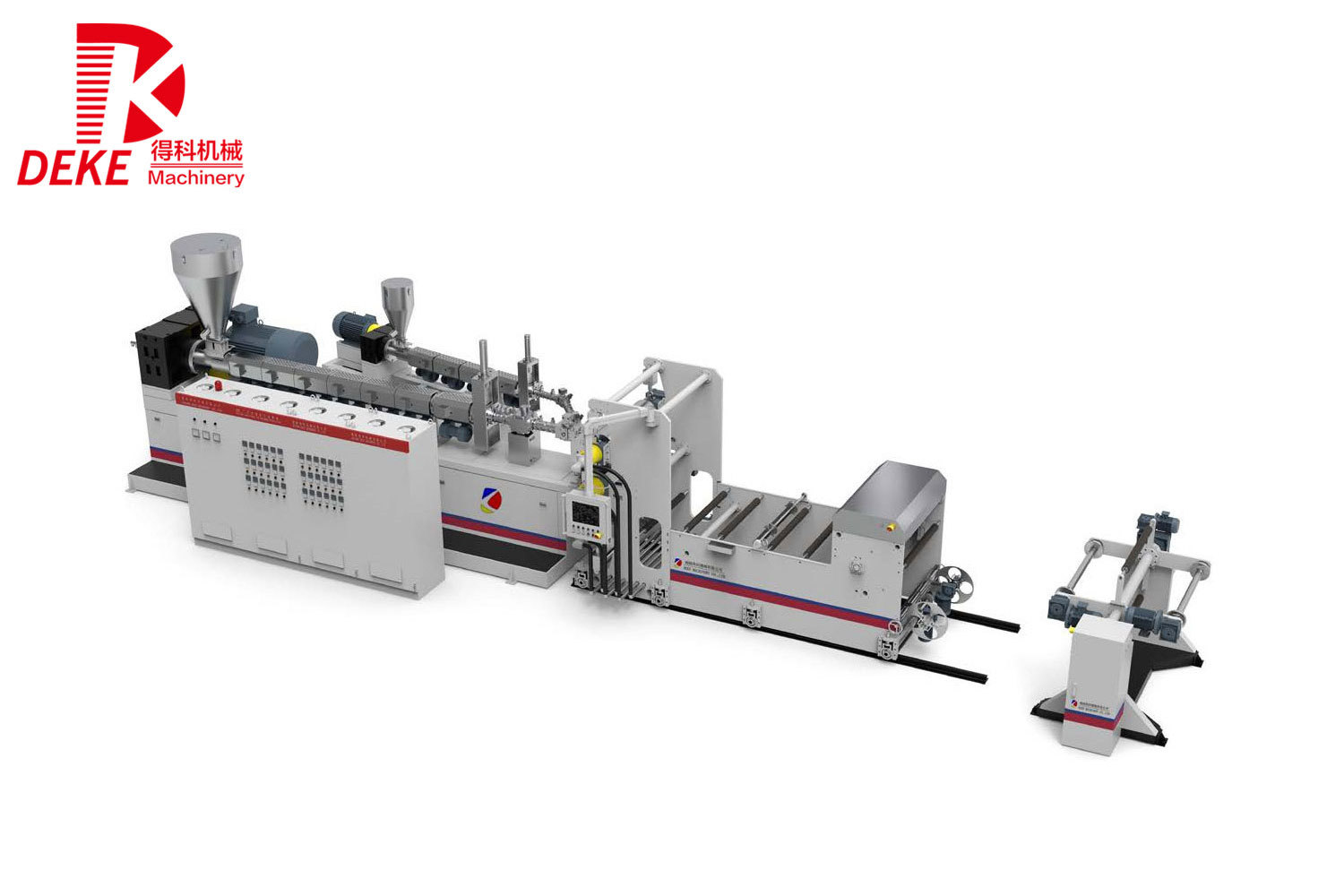
At the core of a PLA sheet extrusion line is the extruder, where PLA pellets are heated and melted to form a homogeneous material. The extruder is typically equipped with a screw mechanism that transports the material through various temperature zones, ensuring optimal melting and mixing. Once the PLA reaches the desired consistency, it is forced through a die, shaping it into sheets of specific thicknesses. The process may include additional elements such as cooling systems, which are crucial for solidifying the sheets and ensuring they maintain their shape and integrity.
One of the primary advantages of using a PLA sheet extrusion line is the eco-friendly nature of PLA itself. As a biodegradable material, PLA can decompose under industrial composting conditions, reducing the environmental impact associated with plastic waste. This aligns with global trends toward sustainability and responsible manufacturing. By investing in PLA sheet production, manufacturers can cater to an increasingly environmentally-conscious market while complying with stringent regulations regarding plastic use.
Moreover, PLA sheet extrusion lines offer versatility in applications. The resulting sheets can be used in a variety of sectors, including packaging, disposable tableware, and even in the automotive industry. Their lightweight nature combined with mechanical strength makes them suitable for numerous applications, thus expanding their market potential.
When considering the implementation of a PLA sheet extrusion line, manufacturers should assess several factors. These include the desired output capacity, automation levels, and the specific properties required of the PLA sheets. Factors like temperature control, cooling systems, and die design can significantly influence product quality.
In conclusion, a PLA sheet extrusion line presents a promising opportunity for manufacturers looking to innovate within the plastic processing industry. With the growing emphasis on sustainability and the increasing demand for biodegradable materials, these extrusion lines not only offer production capabilities but also align businesses with modern environmental standards. By understanding the components and benefits of PLA sheet extrusion lines, manufacturers can successfully navigate the evolving landscape of plastic production.
Next page:
RELATED INFORMATION

Why Choose Conical Twin Screw for Your Next Extrusion Project?
Why Choose Conical Twin Screw for Your Next Extrusion Project? Understanding Extrusion Technology In the realm of **plastic processing**, extrusion is an essential manufacturing technique that transforms raw plastic materials into usable products. The **extrusion process** involves forcing molten plastic through a die to create continuous shapes like sheets, films, and profiles. With advancements
Understanding the Advantages of Counter Rotating Twin Screw Extruders for Plastic Processing
Counter rotating twin screw extruders are pivotal in the plastic processing industry, recognized for their versatility and efficiency. Unlike single screw extruders, twin screw extruders feature two intermeshing screws that rotate in opposite directions. This design allows for enhanced material handling and processing capabilities, making them suitable for a wide array of applications. One of the

Website

Copyright©Jieyang Deke Machinery Co., Ltd.