
Understanding PP HIPS Sheet Extruders: A Guide for Professionals in Plastic Processing Machinery
2025-07
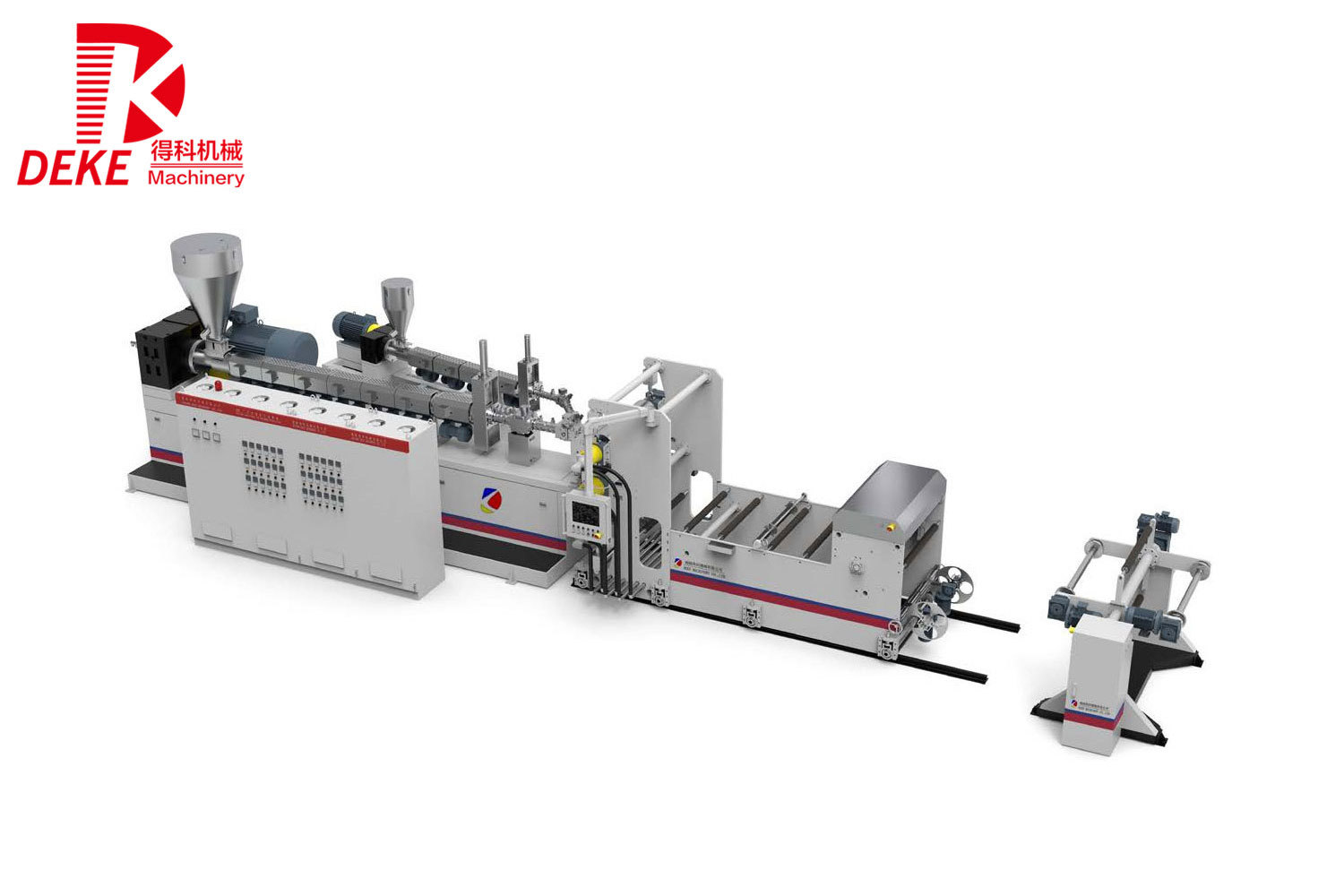
The principle behind a PP HIPS sheet extruder involves melting the raw polymer materials, which are then forced through a die to create flat sheets. This process not only ensures uniform thickness but also allows for the integration of additives that can enhance specific properties of the sheets, such as UV resistance or color. The precision in controlling temperature and pressure during extrusion is vital; variations can lead to defects in the final product, such as uneven surfaces or bubbles.
A critical aspect of operating a PP HIPS sheet extruder effectively is the selection of the appropriate screw design. The screw geometry influences the mixing, melting, and pumping efficiency of the material. For instance, a barrier screw design can improve the dispersion of additives and enhance material flow, ultimately leading to higher quality sheets. Additionally, maintaining optimal barrel temperatures throughout the extrusion process is essential; it ensures that the materials reach the necessary melting point without degradation.
Furthermore, cooling systems implemented post-extrusion are another crucial factor. Water baths or chill rolls are commonly used to stabilize the temperature of the extruded sheets rapidly, preventing warping and maintaining the desired dimensions. An effective cooling process can significantly enhance the mechanical properties of the final sheets, ensuring they meet the necessary specifications for various applications.
Maintenance is also a key element in ensuring the longevity and efficiency of PP HIPS sheet extruders. Regularly checking and replacing worn components, such as screws and barrels, can prevent breakdowns and maintain consistent production quality. Additionally, proper cleaning routines are essential to avoid cross-contamination of materials, which can compromise the properties of the final product.
As the demand for customized plastic sheets continues to rise across various industries, understanding the intricacies of PP HIPS sheet extruders enables manufacturers to stay competitive. By leveraging advanced technologies and adhering to best practices, professionals can not only enhance their operational efficiencies but also cater to the evolving needs of the market effectively.
In conclusion, mastering the operational dynamics of PP HIPS sheet extruders is vital for professionals in the plastic processing machinery sector. With a focus on precise control of extrusion parameters and effective maintenance strategies, manufacturers can produce high-quality plastic sheets that meet diverse industry requirements.
RELATED INFORMATION

Why Choose Conical Twin Screw for Your Next Extrusion Project?
Why Choose Conical Twin Screw for Your Next Extrusion Project? Understanding Extrusion Technology In the realm of **plastic processing**, extrusion is an essential manufacturing technique that transforms raw plastic materials into usable products. The **extrusion process** involves forcing molten plastic through a die to create continuous shapes like sheets, films, and profiles. With advancements
Understanding the Advantages of Counter Rotating Twin Screw Extruders for Plastic Processing
Counter rotating twin screw extruders are pivotal in the plastic processing industry, recognized for their versatility and efficiency. Unlike single screw extruders, twin screw extruders feature two intermeshing screws that rotate in opposite directions. This design allows for enhanced material handling and processing capabilities, making them suitable for a wide array of applications. One of the

Website

Copyright©Jieyang Deke Machinery Co., Ltd.