
Exploring the Innovative Technology Behind Polycarbonate Sheet Extrusion
2025-07
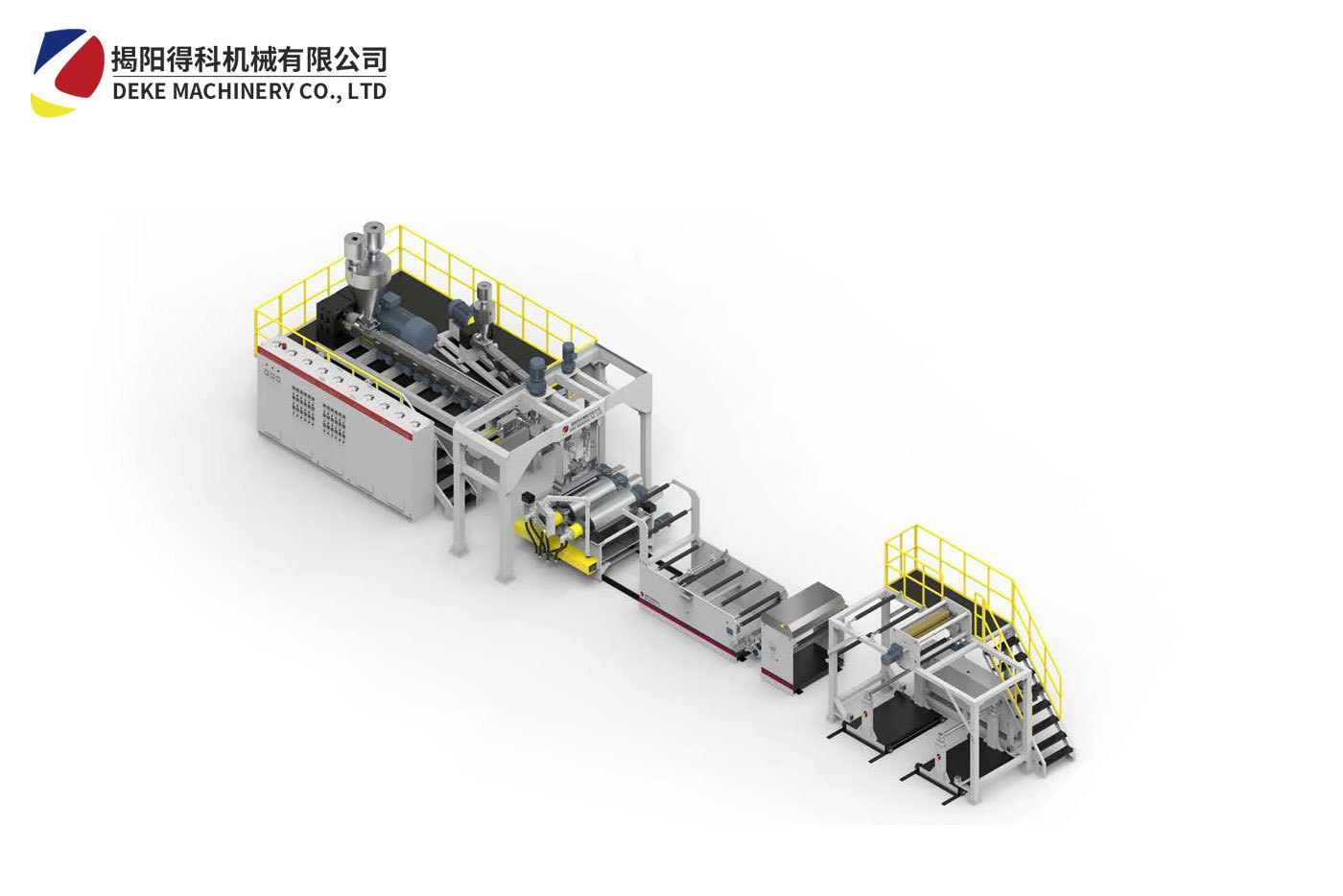
Exploring the Innovative Technology Behind Polycarbonate Sheet Extrusion
Table of Contents
- Understanding Polycarbonate Sheets
- The Extrusion Process Explained
- Key Advantages of Polycarbonate Sheets
- Advanced Extrusion Techniques
- Applications of Polycarbonate Sheets
- Sustainability and Environmental Impact
- The Future of Polycarbonate Extrusion Technology
- Frequently Asked Questions
Understanding Polycarbonate Sheets
Polycarbonate sheets are versatile, high-performance materials known for their excellent strength and durability. These thermoplastic sheets are composed of linear polycarbonate, making them lightweight yet strong. Their ability to withstand impact, coupled with remarkable clarity, allows them to be used in a variety of applications, from construction to electronics. As manufacturers seek more efficient and sustainable materials, polycarbonate sheets have emerged as a popular choice due to their numerous benefits.
Properties of Polycarbonate Sheets
Before diving into the extrusion process, it’s crucial to understand what makes polycarbonate sheets unique. These sheets boast several standout properties, including:
- Impact Resistance: Polycarbonate is virtually unbreakable, making it ideal for protective applications.
- UV Resistance: With proper treatment, polycarbonate sheets can resist harmful UV rays, preventing yellowing and degradation.
- Thermal Stability: Polycarbonate retains its properties over a wide range of temperatures, making it suitable for various environments.
- Lightweight: Compared to glass, polycarbonate sheets are significantly lighter, facilitating easier installation.
The Extrusion Process Explained
The polycarbonate extrusion process is a transformative method used to create sheets from raw polycarbonate resin. This continuous manufacturing process involves several steps:
Step 1: Material Preparation
The first step in the extrusion process is preparing the polycarbonate resin. The resin is often mixed with specific additives to enhance properties such as color, UV stability, and impact resistance. These blends ensure that the final product meets the desired specifications.
Step 2: Melting and Extrusion
The prepared resin is then fed into an extruder, where it is subjected to high temperatures. The heat melts the resin, turning it into a viscous material. The molten polycarbonate is then forced through a die, which shapes it into continuous sheets. This process requires precise temperature control to ensure the material flows correctly and maintains its properties.
Step 3: Cooling and Solidifying
After exiting the die, the polycarbonate sheets must undergo a cooling process. This can be done using air or water baths, which help solidify the material. Proper cooling is essential to avoid warping and ensure the final product retains its shape and clarity.
Step 4: Cutting and Finishing
Once cooled, the continuous sheets are cut to the desired length and may undergo additional finishing processes, such as sanding or coating, to enhance their appearance and performance. This step ensures that the sheets are ready for various applications and meet industry standards.
Key Advantages of Polycarbonate Sheets
Polycarbonate sheets offer several advantages that make them a preferred choice across multiple industries:
1. Exceptional Durability
Polycarbonate sheets are known for their outstanding durability. They are 200 times stronger than glass, which makes them an excellent choice for applications requiring high impact resistance.
2. Lightweight Construction
The lightweight nature of polycarbonate sheets translates into easier handling and installation, reducing labor costs and time.
3. Versatile Applications
These sheets can be used in various applications, including skylights, greenhouses, safety glasses, and more, making them incredibly versatile materials.
4. Energy Efficiency
Polycarbonate sheets can contribute to energy savings. Their insulation properties help maintain optimal temperatures in buildings, reducing energy consumption.
Advanced Extrusion Techniques
As technology evolves, so do the techniques used in polycarbonate sheet extrusion. Here are some of the advanced methods currently shaping the industry:
1. Co-Extrusion
This technique involves extruding two or more layers of materials simultaneously. Co-extruded polycarbonate sheets can combine various properties, such as enhanced UV resistance or different colors, into a single sheet.
2. Multi-Layer Extrusion
Multi-layer extrusion allows manufacturers to create sheets with distinct layers, each serving a specific purpose. This can enhance thermal insulation or protect against scratches.
3. Inline Processing
Inline processing integrates additional operations, such as printing or laminating, into the extrusion process. This increases efficiency and reduces the need for secondary operations.
Applications of Polycarbonate Sheets
Polycarbonate sheets find applications in numerous industries, showcasing their versatility:
1. Construction and Architecture
In the construction industry, polycarbonate sheets are used for roofing, skylights, and facades, providing natural light while maintaining structural integrity.
2. Automotive Industry
Polycarbonate is increasingly used in automotive applications for making headlamps, windows, and interior parts due to its lightweight and impact-resistant nature.
3. Electronic Devices
In electronics, polycarbonate sheets serve as protective covers for devices, ensuring durability and safety.
4. Signage and Displays
Polycarbonate sheets are often used in signage due to their transparency and ability to withstand outdoor conditions.
Sustainability and Environmental Impact
With rising environmental concerns, the manufacturing industry is increasingly focusing on sustainability. Polycarbonate sheets can be recycled, reducing waste and energy consumption. Moreover, advancements in extrusion technology have allowed for more efficient use of materials, minimizing environmental impact throughout the production process.
The Future of Polycarbonate Extrusion Technology
As we look to the future, innovations in polycarbonate extrusion technology are promising. Areas such as smart materials, which can respond to environmental changes, are being explored. Enhancements in recycling techniques and sustainable manufacturing practices are also on the horizon, ensuring that polycarbonate sheets remain a relevant and eco-friendly choice in the industry.
Frequently Asked Questions
1. What are polycarbonate sheets made of?
Polycarbonate sheets are made from a thermoplastic polymer known as polycarbonate, which is created through a process of polymerization.
2. How are polycarbonate sheets different from acrylic sheets?
While both materials are transparent and have similar applications, polycarbonate sheets offer greater impact resistance and thermal stability compared to acrylic sheets.
3. Can polycarbonate sheets be recycled?
Yes, polycarbonate sheets can be recycled, making them an environmentally friendly choice for many applications.
4. What industries commonly use polycarbonate sheets?
Polycarbonate sheets are widely used in construction, automotive, electronics, and signage, among other industries.
5. How do I maintain polycarbonate sheets?
To maintain polycarbonate sheets, clean them regularly with a mild soap solution and soft cloth to avoid scratching and ensure clarity.
Conclusion
The technology behind polycarbonate sheet extrusion is a testament to innovation in manufacturing. As industries continue to evolve, the advantages and versatility of polycarbonate sheets position them as a leading choice for various applications. With ongoing advancements in extrusion techniques and a commitment to sustainability, polycarbonate sheets are poised to remain at the forefront of materials technology, catering to the demands of modern manufacturing while contributing positively to the environment.
Previous Page:
RELATED INFORMATION

Why Choose Conical Twin Screw for Your Next Extrusion Project?
Why Choose Conical Twin Screw for Your Next Extrusion Project? Understanding Extrusion Technology In the realm of **plastic processing**, extrusion is an essential manufacturing technique that transforms raw plastic materials into usable products. The **extrusion process** involves forcing molten plastic through a die to create continuous shapes like sheets, films, and profiles. With advancements
Understanding the Advantages of Counter Rotating Twin Screw Extruders for Plastic Processing
Counter rotating twin screw extruders are pivotal in the plastic processing industry, recognized for their versatility and efficiency. Unlike single screw extruders, twin screw extruders feature two intermeshing screws that rotate in opposite directions. This design allows for enhanced material handling and processing capabilities, making them suitable for a wide array of applications. One of the

Website

Copyright©Jieyang Deke Machinery Co., Ltd.