
The Future of Manufacturing: Advancements in Polycarbonate Sheet Extruders
2025-08
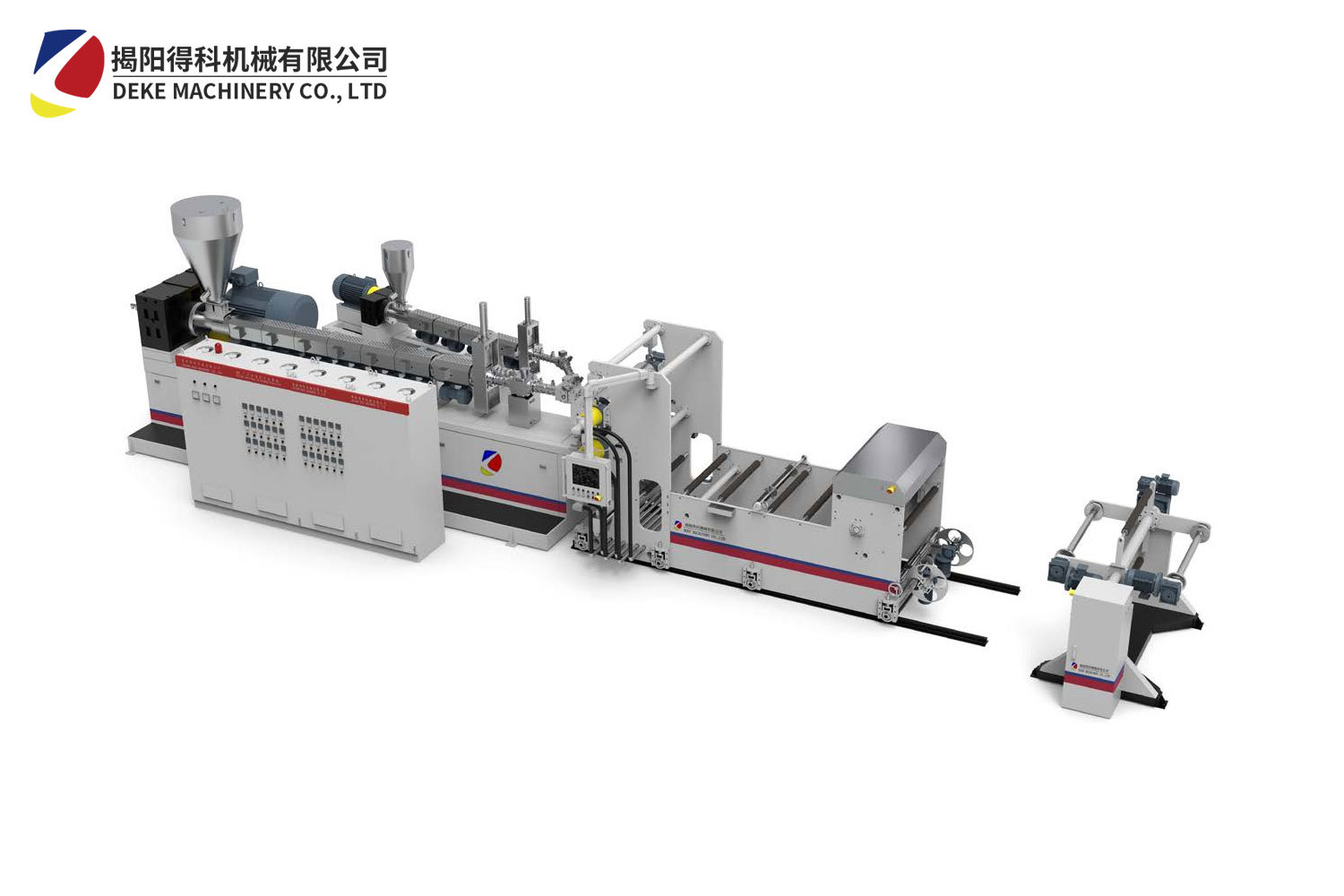
The Future of Manufacturing: Advancements in Polycarbonate Sheet Extruders
Table of Contents
- 1. Introduction to Polycarbonate Sheet Extrusion
- 2. Why Polycarbonate Materials Matter in Modern Manufacturing
- 3. Technological Advancements in Extruder Design
- 4. Enhanced Production Capacity with Modern Extruders
- 5. Diverse Applications of Polycarbonate Sheets
- 6. Impact of Advancements on the Manufacturing Industry
- 7. Future Trends in Polycarbonate Sheet Extruders
- 8. Frequently Asked Questions
- 9. Conclusion
1. Introduction to Polycarbonate Sheet Extrusion
Polycarbonate sheet extrusion has become a vital process in manufacturing, offering unparalleled versatility and durability. As industries evolve, the demand for advanced polycarbonate sheet extruders continues to rise. This article explores the advancements in these machines, focusing on their significance in modern manufacturing. By understanding these innovations, manufacturers can harness the potential of polycarbonate materials to create high-quality products efficiently.
2. Why Polycarbonate Materials Matter in Modern Manufacturing
Polycarbonate is a high-performance thermoplastic known for its outstanding properties, such as impact resistance, transparency, and heat resistance. These features make it ideal for various applications, including automotive parts, electronic devices, and construction materials. The ability to extrude polycarbonate sheets efficiently enhances production capabilities, reduces waste, and improves product quality.
2.1 The Versatility of Polycarbonate Sheets
Polycarbonate sheets are used in numerous sectors due to their adaptability. They are lightweight yet robust, making them suitable for applications that require both strength and ease of handling. Industries are increasingly favoring polycarbonate over traditional materials like glass and acrylic, which are heavier and more fragile.
2.2 Environmental Considerations
In an era where sustainability is paramount, polycarbonate materials are recyclable, adding to their appeal. Manufacturers can reduce their environmental footprint by choosing polycarbonate sheets, thus aligning with global sustainability goals.
3. Technological Advancements in Extruder Design
The landscape of polycarbonate sheet extrusion is rapidly changing, driven by technological advancements. Modern extruders are equipped with features that enhance performance, efficiency, and product quality.
3.1 Smart Technologies in Extrusion
The integration of smart technologies in extruder design has revolutionized the manufacturing process. These advancements enable real-time monitoring and data analysis, allowing manufacturers to optimize production parameters. With predictive maintenance features, manufacturers can reduce downtime and improve machine reliability.
3.2 Energy Efficiency Innovations
Energy consumption is a critical factor in manufacturing costs. New extruder designs emphasize energy efficiency, employing advanced heating and cooling systems that minimize energy usage while maximizing output. This not only reduces operational costs but also aligns with global energy conservation efforts.
4. Enhanced Production Capacity with Modern Extruders
Modern polycarbonate sheet extruders are designed to handle higher production volumes with consistency and precision. Advanced screw designs and optimally sized die heads allow for a smooth and continuous flow of materials, ensuring uniform sheet thickness and superior surface finish.
4.1 Automation and Robotics in Production
The incorporation of automation and robotics in the extrusion process has further enhanced production capacity. Automated systems can handle multiple tasks, from material feeding to sheet cutting, allowing operators to focus on quality control and other critical aspects of production.
4.2 Customization Capabilities
Today’s extruders offer increased flexibility for customization. Manufacturers can easily adjust parameters such as thickness, width, and formulation to meet specific customer requirements, thereby improving customer satisfaction and market competitiveness.
5. Diverse Applications of Polycarbonate Sheets
Polycarbonate sheets are utilized in a wide array of applications across different industries. Their versatility is a key driver of their popularity.
5.1 Construction Industry
In the construction sector, polycarbonate sheets are increasingly used for roofing, glazing, and partitions due to their lightweight and energy-efficient properties. They provide excellent insulation while allowing natural light to penetrate, making buildings more sustainable.
5.2 Automotive Sector
The automotive industry benefits from polycarbonate's impact resistance and durability. From headlights to cabin components, polycarbonate sheets are preferred for their lightweight nature, contributing to overall vehicle efficiency.
5.3 Electronics Manufacturing
In electronics, polycarbonate sheeting is used for protective covers, electrical housings, and other components due to its clarity and sturdy characteristics. The ability to customize properties further enhances its utility in this sector.
6. Impact of Advancements on the Manufacturing Industry
The advancements in polycarbonate sheet extruders have a profound impact on the manufacturing landscape. By improving production efficiency and product quality, these innovations allow businesses to remain competitive in a challenging marketplace.
6.1 Cost Reduction
As production processes become more efficient, manufacturers can reduce costs associated with labor, materials, and energy consumption. This economic advantage enables businesses to invest further in growth and innovation.
6.2 Enhanced Product Quality
With precise control over the extrusion process, manufacturers can produce high-quality polycarbonate sheets that meet stringent industry standards. This improvement in quality leads to better-performing products, which boost customer satisfaction and loyalty.
7. Future Trends in Polycarbonate Sheet Extruders
Looking ahead, several trends are poised to shape the future of polycarbonate sheet extrusion. Manufacturers must stay ahead of these trends to maintain relevance in the industry.
7.1 Sustainability and Eco-Friendly Innovations
The push for sustainable manufacturing practices will lead to continued innovations in eco-friendly extruder designs. Manufacturers will increasingly seek materials that not only meet performance requirements but are also produced via sustainable processes.
7.2 Integration of Artificial Intelligence
The incorporation of artificial intelligence (AI) into the extrusion process will provide manufacturers with even greater control over production. AI can analyze vast amounts of data to identify inefficiencies and suggest optimizations, further enhancing productivity.
7.3 Global Market Trends
As demand for polycarbonate products continues to rise globally, manufacturers will need to adapt to changing market dynamics. Emerging markets, particularly in Asia and Africa, present new opportunities for growth and expansion.
8. Frequently Asked Questions
What is a polycarbonate sheet extruder?
A polycarbonate sheet extruder is a machine that processes polycarbonate resin into sheets through a continuous extrusion process. It shapes the molten material into a specific thickness and width.
What are the advantages of using polycarbonate sheets?
Polycarbonate sheets are lightweight, impact-resistant, and provide excellent thermal insulation. They are also UV-resistant and can be customized for various applications.
How do advancements in technology affect polycarbonate sheet production?
Technological advancements lead to improved efficiency, reduced energy consumption, and higher product quality. Innovations like smart technologies and automation enhance production capabilities.
Can polycarbonate sheets be recycled?
Yes, polycarbonate sheets are recyclable. Manufacturers can recycle used sheets to produce new products, contributing to sustainability efforts.
What industries benefit from polycarbonate sheet extruders?
Multiple industries benefit from polycarbonate sheets, including construction, automotive, and electronics, due to their diverse applications and superior properties.
9. Conclusion
The advancements in polycarbonate sheet extruders are revolutionizing the manufacturing landscape, offering enhanced efficiency, quality, and sustainability. As technology continues to evolve, manufacturers must adapt to these changes to stay competitive. By embracing innovative extruder designs and processes, businesses can not only meet the growing demand for polycarbonate sheets but also contribute to a more sustainable future in manufacturing. Understanding and leveraging these advancements will be crucial for manufacturers aiming to thrive in an increasingly dynamic market.
RELATED INFORMATION

Why Choose Conical Twin Screw for Your Next Extrusion Project?
Why Choose Conical Twin Screw for Your Next Extrusion Project? Understanding Extrusion Technology In the realm of **plastic processing**, extrusion is an essential manufacturing technique that transforms raw plastic materials into usable products. The **extrusion process** involves forcing molten plastic through a die to create continuous shapes like sheets, films, and profiles. With advancements
Understanding the Advantages of Counter Rotating Twin Screw Extruders for Plastic Processing
Counter rotating twin screw extruders are pivotal in the plastic processing industry, recognized for their versatility and efficiency. Unlike single screw extruders, twin screw extruders feature two intermeshing screws that rotate in opposite directions. This design allows for enhanced material handling and processing capabilities, making them suitable for a wide array of applications. One of the

Website

Copyright©Jieyang Deke Machinery Co., Ltd.