
Maximizing Output: How Twin Screw Compounders Enhance Extrusion Processes
2025-08
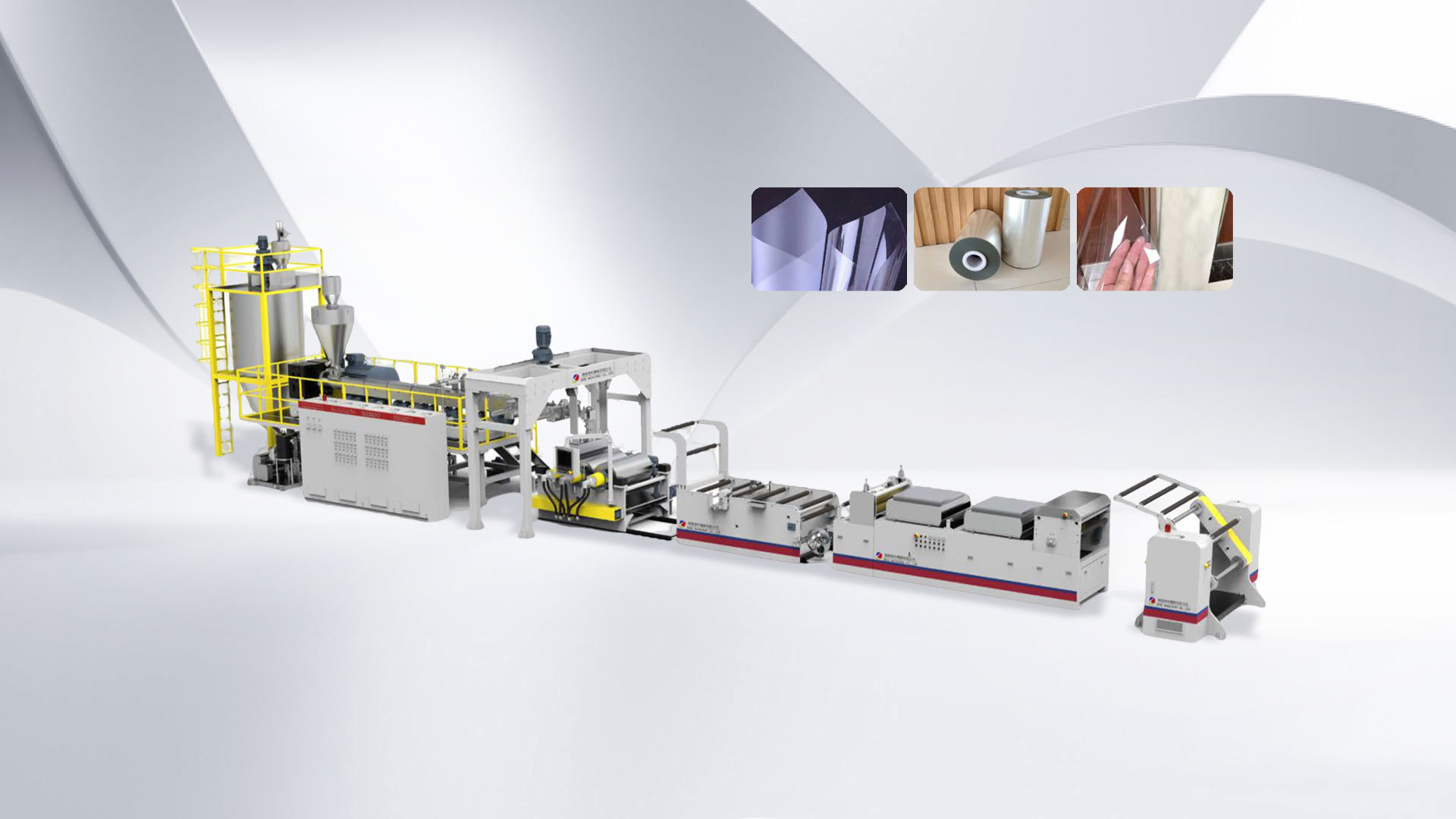
Maximizing Output: How Twin Screw Compounders Enhance Extrusion Processes
Table of Contents
- Introduction to Twin Screw Compounders
- Overview of the Extrusion Process
- Understanding Twin Screw Technology
- Advantages of Twin Screw Compounders in Extrusion
- Applications of Twin Screw Compounders
- Optimizing Extrusion Output with Twin Screw Compounders
- Common Challenges and Solutions
- Future Trends in Extrusion Technology
- Conclusion
- Frequently Asked Questions
Introduction to Twin Screw Compounders
The world of manufacturing has evolved significantly, and the demand for high-quality, consistent products has never been greater. In this scenario, **twin screw compounders** have emerged as a game-changer in the extrusion process, allowing manufacturers to enhance output while ensuring product integrity.
This article explores how twin screw compounders work, their benefits, and their impact on the extrusion process, thus providing valuable insights for industry professionals looking to optimize their operations.
Overview of the Extrusion Process
Extrusion is a manufacturing process that involves forcing material through a die to create a specific shape. This versatile technique is widely used in the production of various plastic products, including films, sheets, and profiles. The extrusion process typically includes material feeding, melting, mixing, and shaping, followed by cooling and cutting.
The Role of Extruders in Manufacturing
Extruders play a crucial role in converting raw materials into usable forms. They are equipped with different types of screws, with single and twin screw configurations being the most common. While single screw extruders are simpler and more cost-effective, twin screw extruders provide enhanced mixing capabilities, better temperature control, and improved product consistency.
Understanding Twin Screw Technology
Twin screw extruders consist of two intermeshing screws that rotate in the same or opposite directions. This design allows for more extensive material processing than single screw extruders. The two main types of twin screw extruders are co-rotating and counter-rotating, each offering unique benefits depending on the application.
Co-Rotating vs. Counter-Rotating Twin Screws
- **Co-Rotating Twin Screws**: Both screws rotate in the same direction. This configuration enhances the mixing and conveying of materials and is particularly effective for polymers and compounds that require uniformity.
- **Counter-Rotating Twin Screws**: The screws rotate in opposite directions, allowing for high shear and mixing intensity. This setup is ideal for applications that require a significant amount of shear, such as high-viscosity materials or creating masterbatches.
Advantages of Twin Screw Compounders in Extrusion
Twin screw compounders offer several advantages that enhance the extrusion process, making them a preferred choice for many manufacturers.
Enhanced Mixing Efficiency
The intermeshing design of twin screws allows for superior mixing efficiency. This is particularly beneficial when working with diverse materials or additives that need to be uniformly distributed within the base polymer.
Improved Process Control
With twin screw compounders, manufacturers gain better control over processing conditions, such as temperature and pressure. This improved control leads to enhanced product quality and consistency, reducing the likelihood of defects.
Versatility Across Materials
From thermoplastics to thermosets and elastomers, twin screw compounders can process a wide range of materials, making them suitable for various applications. Their adaptability to different formulations allows manufacturers to innovate and respond to market demands.
Higher Output Rates
Twin screw compounders facilitate higher output rates due to their efficient material processing capabilities. This leads to increased production volumes while maintaining product quality, which is crucial in today's fast-paced manufacturing environment.
Applications of Twin Screw Compounders
The versatility of twin screw compounders allows them to be utilized in various industries, including:
Plastics Manufacturing
In the plastics industry, twin screw compounders are instrumental in producing high-quality pellets and compounds. They are commonly used to blend polymers with additives, colorants, and fillers to achieve desired properties.
Food Processing
In food manufacturing, twin screw extruders are employed for tasks such as cooking, mixing, and shaping food products. Their ability to maintain precise control over temperature and mixing ensures the consistent quality of food items.
Pharmaceuticals
The pharmaceutical sector benefits from the precise mixing capabilities of twin screw compounders, allowing for the creation of uniform drug formulations. This technology helps ensure consistent dosage and efficacy in pharmaceutical products.
Rubber and Elastomers
Twin screw extruders are also used in processing rubber and elastomers, where their capability to handle high-viscosity materials and achieve thorough mixing is essential for creating high-performance products.
Optimizing Extrusion Output with Twin Screw Compounders
To maximize output while using twin screw compounders, certain strategies should be implemented.
Material Selection
Choosing the right materials is crucial for achieving optimal extrusion results. Understanding the flow characteristics and thermal properties of the materials involved can lead to better processing conditions and improved output.
Process Parameters Adjustment
Regularly monitoring and adjusting process parameters, such as temperature, screw speed, and feed rate, can significantly impact the extrusion output. Implementing an adaptive control system can help maintain optimal conditions throughout the manufacturing process.
Regular Maintenance of Equipment
Maintaining twin screw compounders ensures consistent performance. Regular checks and servicing of the screws, barrels, and drives help prevent breakdowns and maintain production efficiency.
Common Challenges and Solutions
While twin screw compounders offer numerous benefits, they also come with their own set of challenges.
High Initial Investment
The initial cost of purchasing a twin screw compounder can be significant. However, the long-term benefits of increased production efficiency and product quality often outweigh these costs.
Complexity of Operations
The operation of twin screw extruders can be complex, requiring skilled personnel. Investing in training and automation technology can help mitigate this challenge.
Material Build-Up
Material build-up in the extruder can lead to inefficiencies and product defects. Implementing effective cleaning procedures and using coatings to minimize adhesion can alleviate this issue.
Future Trends in Extrusion Technology
As technology evolves, so too does extrusion processes. Here are some anticipated trends in twin screw compounders:
Increased Automation
The integration of smart technology and automation in twin screw compounders will likely continue to rise. This will enhance production efficiency and improve process control.
Sustainability Focus
With growing environmental concerns, the push for sustainable manufacturing practices will drive innovations in extrusion technology. Twin screw compounders will increasingly process bio-based and recycled materials.
Advanced Monitoring Techniques
The implementation of advanced monitoring techniques, such as IoT and AI, will allow for real-time data analysis, optimizing the extrusion process and ensuring product quality.
Conclusion
Twin screw compounders represent a significant advancement in extrusion technology, providing manufacturers with enhanced efficiency, versatility, and output. By embracing this technology, businesses can improve their production processes and meet the increasing demands for high-quality products. Continuous investment in training, technology, and process optimization will be essential to fully leverage the benefits of twin screw compounders.
Frequently Asked Questions
1. What are the main benefits of using twin screw compounders?
Twin screw compounders offer improved mixing efficiency, better process control, versatility across materials, and higher output rates, leading to enhanced product quality and consistency.
2. How do twin screw compounders differ from single screw extruders?
Twin screw compounders have two intermeshing screws that allow for more extensive material processing, whereas single screw extruders have a simpler design that is typically less effective at mixing and controlling temperature.
3. What industries benefit from twin screw compounders?
Industries such as plastics manufacturing, food processing, pharmaceuticals, and rubber production benefit significantly from the versatility and efficiency of twin screw compounders.
4. How can I optimize my extrusion output using twin screw compounders?
Optimizing output involves careful material selection, regular adjustment of process parameters, and maintaining the equipment to ensure consistent performance.
5. What are the future trends for twin screw extrusion technology?
Future trends include increased automation, a focus on sustainability, and advanced monitoring techniques to enhance production efficiency and product quality.
Previous Page:
RELATED INFORMATION

Why Choose Conical Twin Screw for Your Next Extrusion Project?
Why Choose Conical Twin Screw for Your Next Extrusion Project? Understanding Extrusion Technology In the realm of **plastic processing**, extrusion is an essential manufacturing technique that transforms raw plastic materials into usable products. The **extrusion process** involves forcing molten plastic through a die to create continuous shapes like sheets, films, and profiles. With advancements
Understanding the Advantages of Counter Rotating Twin Screw Extruders for Plastic Processing
Counter rotating twin screw extruders are pivotal in the plastic processing industry, recognized for their versatility and efficiency. Unlike single screw extruders, twin screw extruders feature two intermeshing screws that rotate in opposite directions. This design allows for enhanced material handling and processing capabilities, making them suitable for a wide array of applications. One of the

Website

Copyright©Jieyang Deke Machinery Co., Ltd.