
Maximizing Efficiency: How Polycarbonate Sheet Extruders Revolutionize Production
2025-08
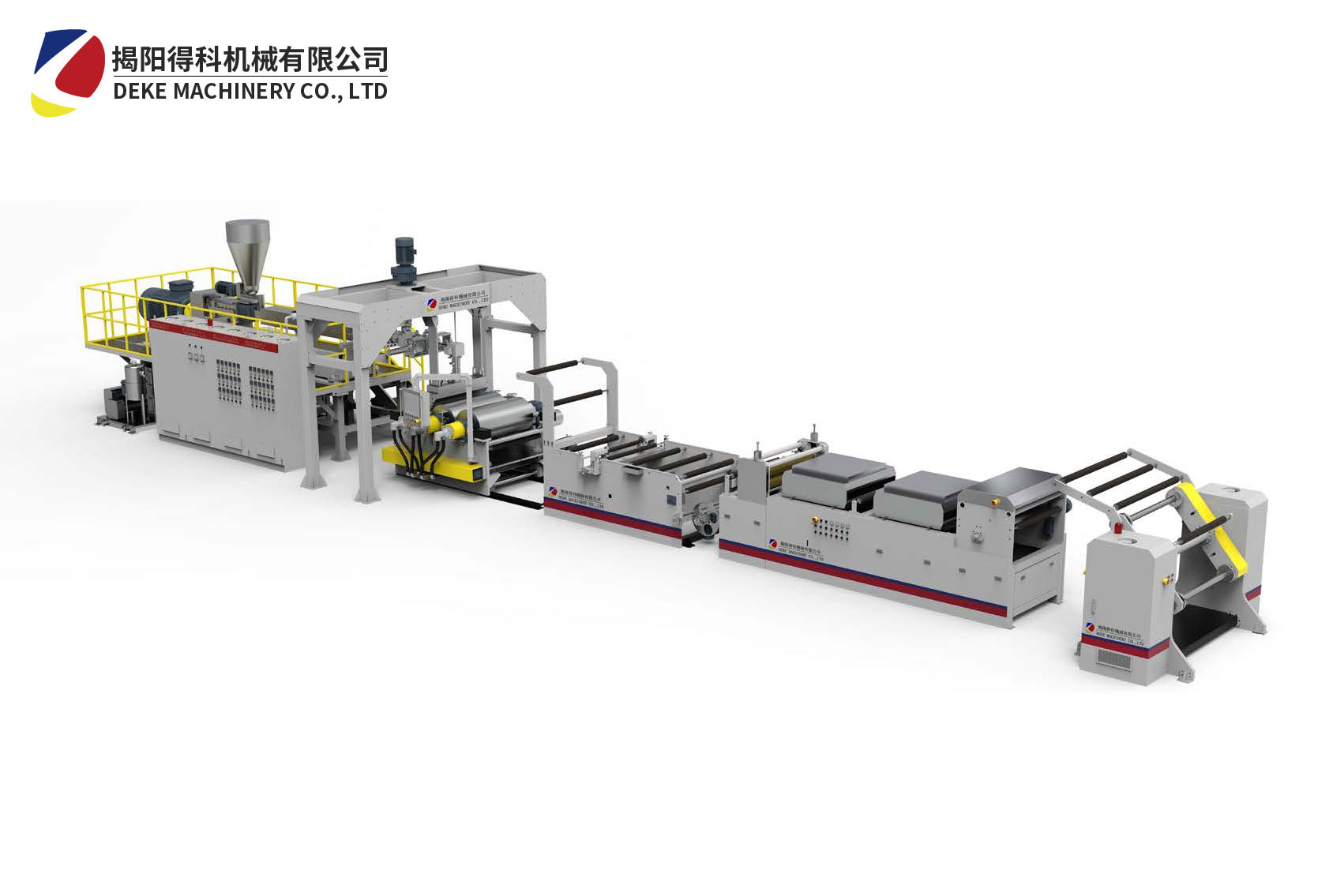
Maximizing Efficiency: How Polycarbonate Sheet Extruders Revolutionize Production
Table of Contents
- Introduction to Polycarbonate Sheet Extrusion
- What is Polycarbonate?
- The Importance of Extruders in Manufacturing
- Understanding the Extrusion Process
- Benefits of Polycarbonate Sheet Extruders
- Applications of Polycarbonate Sheets in Various Industries
- Trends Shaping the Future of Polycarbonate Extrusion
- Conclusion
- Frequently Asked Questions
Introduction to Polycarbonate Sheet Extrusion
The manufacturing landscape is undergoing a significant transformation, largely driven by advancements in technology. One notable change is the rise of **polycarbonate sheet extruders**, which are revolutionizing production efficiency across various industries. These machines not only enhance the quality of output but also streamline processes, reducing waste and operational costs.
In this article, we will explore how polycarbonate sheet extruders work, their benefits, applications, and the future trends that are shaping their role in manufacturing.
What is Polycarbonate?
Polycarbonate is a high-performance thermoplastic that is renowned for its exceptional strength and versatility. This material is characterized by:
- **High impact resistance**: Polycarbonate sheets can withstand significant physical impact, making them ideal for protective and structural applications.
- **Lightweight**: Despite its durability, polycarbonate is considerably lighter than glass, making it easier to handle and install.
- **Optical clarity**: Polycarbonate offers excellent transparency, allowing for high visibility in applications where light transmission is essential.
- **UV resistance**: Many polycarbonate formulations are treated to resist degradation from ultraviolet (UV) rays, extending their lifespan in outdoor environments.
These properties make polycarbonate an ideal candidate for various applications, from construction to automotive components.
The Importance of Extruders in Manufacturing
Extruders play a crucial role in the manufacturing of various materials, including polycarbonate. They are responsible for converting raw plastic pellets into finished products through a continuous process. The importance of extruders in manufacturing can be attributed to:
- **Consistency**: Extruders ensure that the product produced is uniform in thickness and quality, which is vital for maintaining standards in production.
- **Efficiency**: By enabling the continuous flow of materials, extruders minimize downtime and maximize output.
- **Customization**: Advanced extruders allow for the manipulation of various parameters, enabling manufacturers to create products that meet specific requirements.
As industries seek to optimize their production processes, the demand for advanced extruders, particularly for polycarbonate sheets, continues to grow.
Understanding the Extrusion Process
The extrusion process involves several critical steps, each contributing to the final quality of the polycarbonate sheets produced. The process typically includes:
1. **Feeding**: Raw polycarbonate pellets are loaded into the extruder's hopper, where they are moved into the barrel by a rotating screw.
2. **Melting**: As the pellets travel through the heated barrel, they are subjected to temperature control that melts the material, transforming it into a viscous fluid.
3. **Mixing**: The rotating screw mixes any additives or colorants with the molten polycarbonate, ensuring uniform distribution.
4. **Forming**: The molten material is forced through a die, shaping it into a continuous sheet.
5. **Cooling**: The extruded sheet is cooled, solidifying it into its final form.
6. **Cutting**: Finally, the cooled sheets are cut to the desired length for packaging and distribution.
Each of these steps is crucial in determining the quality, thickness, and overall characteristics of the finished polycarbonate sheets.
Benefits of Polycarbonate Sheet Extruders
Polycarbonate sheet extruders offer numerous advantages that significantly enhance production efficiency, including:
- **Increased Production Rates**: Modern extruders are capable of producing large volumes of sheets in a short amount of time, allowing manufacturers to meet high demand without sacrificing quality.
- **Cost-Effectiveness**: By minimizing waste and optimizing material usage, polycarbonate sheet extruders help reduce production costs.
- **Flexibility in Product Design**: Manufacturers can easily adjust extrusion parameters to create various sheet thicknesses, colors, and finishes, catering to diverse customer needs.
- **Reduced Labor Costs**: Automation in the extrusion process decreases the need for manual intervention, allowing companies to allocate labor to other critical areas.
- **Enhanced Product Quality**: The precise control in the extrusion process ensures that the final product meets stringent quality standards and specifications.
These benefits illustrate why investing in polycarbonate sheet extruders is a strategic move for manufacturers looking to maximize efficiency and competitiveness.
Applications of Polycarbonate Sheets in Various Industries
Polycarbonate sheets are utilized in numerous sectors due to their favorable properties. Some of the key applications include:
1. Construction and Architecture
Polycarbonate sheets are commonly used in roofing, skylights, and wall cladding due to their strength and lightweight nature. They provide excellent insulation and UV protection, making them suitable for both residential and commercial buildings.
2. Automotive Industry
In the automotive sector, polycarbonate sheets are often employed for making headlamp covers, sunroofs, and interior components. Their durability and lightweight characteristics contribute to improved vehicle efficiency and performance.
3. Electronics
Polycarbonate is frequently used in the manufacturing of electronic casings and components. Its impact resistance and dimensional stability make it a preferred choice for protecting sensitive electronic parts.
4. Medical Devices
In the medical field, polycarbonate sheets are utilized for equipment covers and safety goggles. Their clarity allows for easy monitoring of equipment while ensuring safety for users.
5. Signage and Displays
The optical clarity and versatility of polycarbonate sheets make them ideal for signage and display applications. They can be easily printed on or shaped to create eye-catching promotional materials.
These applications highlight the versatility and practicality of polycarbonate sheets across various industries, further driving the demand for high-quality extruders.
Trends Shaping the Future of Polycarbonate Extrusion
As technology continues to evolve, several trends are emerging in the field of polycarbonate extrusion:
1. Sustainability
Manufacturers are increasingly focusing on sustainable practices, including the use of recycled materials in the extrusion process. This trend is driven by both regulatory requirements and consumer demand for eco-friendly products.
2. Automation and Industry 4.0
The integration of automation and smart technologies is transforming the extrusion process. Manufacturers are investing in advanced machinery that incorporates IoT capabilities for real-time monitoring and data analysis, improving efficiency and reducing downtime.
3. Customization and Personalization
As the market demands more tailored solutions, extruders are evolving to enable greater customization of polycarbonate sheets. This trend allows manufacturers to cater to specific customer needs, enhancing competitiveness.
4. Innovations in Material Technology
Research and development in material science are leading to new formulations of polycarbonate that offer improved properties, such as enhanced fire resistance or increased clarity. These innovations will drive further advancements in extrusion technology.
The future of polycarbonate sheet extrusion looks promising, with these trends poised to enhance production efficiency and product quality even further.
Conclusion
Polycarbonate sheet extruders are revolutionizing production across various industries by maximizing efficiency, reducing costs, and improving product quality. Understanding the extrusion process and the unique benefits of polycarbonate sheets can empower manufacturers to leverage these advancements effectively. As technology continues to evolve, staying abreast of industry trends will be crucial for companies looking to maintain a competitive edge in this rapidly changing landscape.
Frequently Asked Questions
1. What are polycarbonate sheets used for?
Polycarbonate sheets are used in various applications, including construction, automotive components, medical devices, and signage due to their durability, lightweight nature, and optical clarity.
2. How does the extrusion process work?
The extrusion process involves feeding raw materials into an extruder, melting them, mixing additives, forming them through a die, cooling the extruded material, and cutting it to the desired length.
3. What are the advantages of polycarbonate over other materials?
Polycarbonate offers high impact resistance, lightweight properties, excellent optical clarity, and UV resistance, making it a versatile choice for many applications.
4. How can manufacturers improve the efficiency of their extrusion processes?
Manufacturers can enhance efficiency by investing in modern extruders, optimizing production parameters, implementing automation, and focusing on waste reduction strategies.
5. Are there any environmental considerations with polycarbonate production?
Yes, many manufacturers are now adopting sustainable practices, including the use of recycled materials and implementing eco-friendly production processes to minimize environmental impact.
By understanding these aspects of polycarbonate sheet extruders and their role in modern manufacturing, businesses can take significant steps toward maximizing efficiency and staying ahead in a competitive market.
RELATED INFORMATION

Why Choose Conical Twin Screw for Your Next Extrusion Project?
Why Choose Conical Twin Screw for Your Next Extrusion Project? Understanding Extrusion Technology In the realm of **plastic processing**, extrusion is an essential manufacturing technique that transforms raw plastic materials into usable products. The **extrusion process** involves forcing molten plastic through a die to create continuous shapes like sheets, films, and profiles. With advancements
Understanding the Advantages of Counter Rotating Twin Screw Extruders for Plastic Processing
Counter rotating twin screw extruders are pivotal in the plastic processing industry, recognized for their versatility and efficiency. Unlike single screw extruders, twin screw extruders feature two intermeshing screws that rotate in opposite directions. This design allows for enhanced material handling and processing capabilities, making them suitable for a wide array of applications. One of the

Website

Copyright©Jieyang Deke Machinery Co., Ltd.