
From Concept to Creation: A Comprehensive Guide to Polycarbonate Sheet Extrusion Processes
2025-08
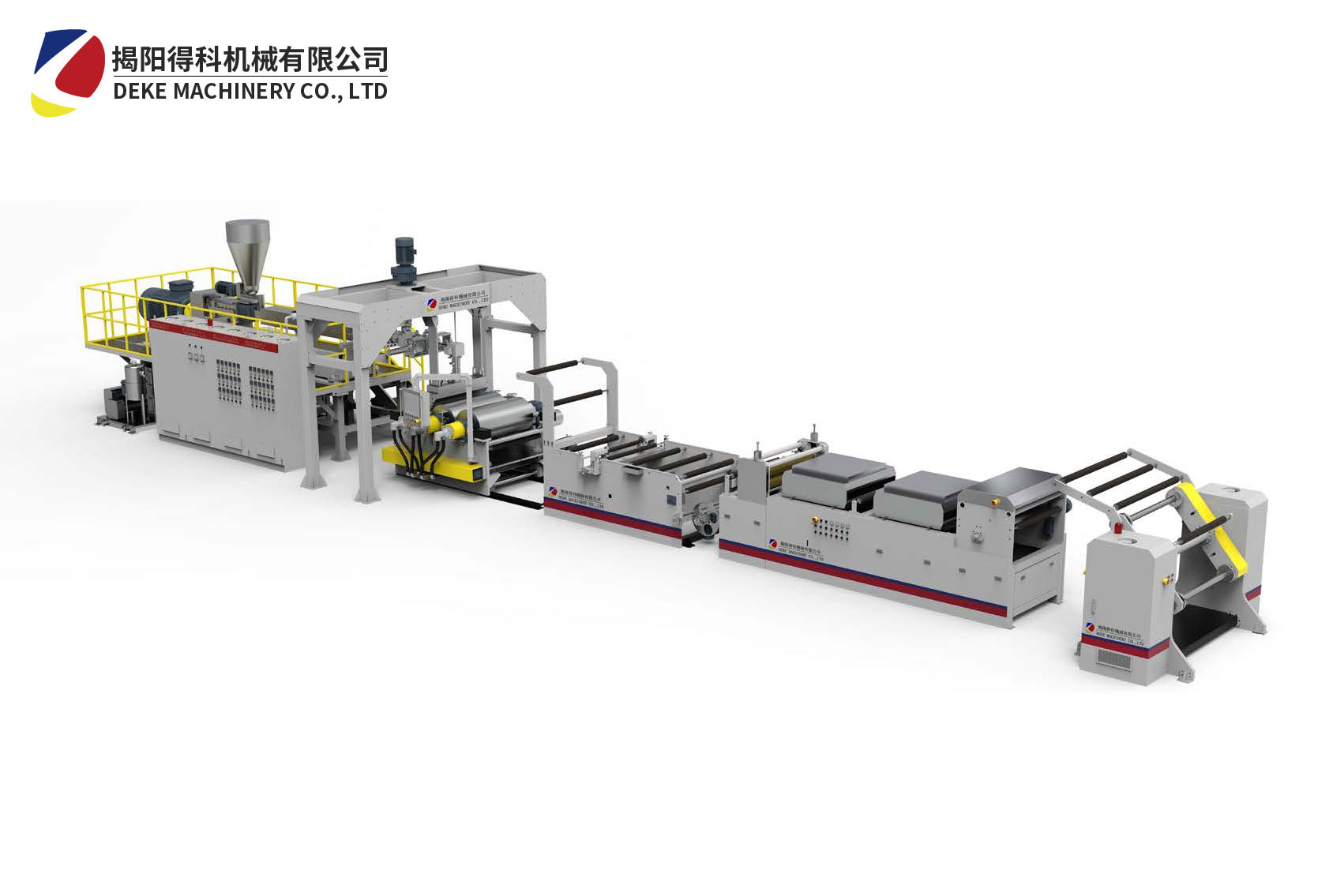
From Concept to Creation: A Comprehensive Guide to Polycarbonate Sheet Extrusion Processes
Table of Contents
- Understanding Polycarbonate Sheets
- The Extrusion Process Overview
- Raw Materials in Polycarbonate Extrusion
- Key Machinery in the Extrusion Process
- Steps in the Polycarbonate Sheet Extrusion Process
- Quality Control in Extrusion Processes
- Applications of Polycarbonate Sheets
- Future Trends in Extrusion Technology
- Frequently Asked Questions
Understanding Polycarbonate Sheets
Polycarbonate sheets are robust, lightweight thermoplastic materials known for their exceptional strength and versatility. These sheets are widely used across various industries due to their impact resistance, optical clarity, and UV protection capabilities. The polymer's unique molecular structure allows it to withstand extreme temperatures and harsh environmental conditions, making it an ideal choice for applications ranging from construction to automotive components.
The Extrusion Process Overview
The extrusion process is a key manufacturing method used to shape polycarbonate sheets. This method involves melting raw polycarbonate pellets and forcing the molten material through a die to create continuous sheets of varying thicknesses and widths. The extrusion process not only enhances the properties of polycarbonate sheets but also allows for customization in terms of size, color, and surface finish.
Raw Materials in Polycarbonate Extrusion
The primary raw material used in the extrusion of polycarbonate sheets is polycarbonate resin, commonly derived from bisphenol A (BPA) and phosgene. The quality and characteristics of the final product largely depend on the quality of the raw materials used. Additives such as UV stabilizers, colorants, and flame retardants may also be incorporated to enhance specific properties, ensuring the final sheet meets the desired performance criteria.
Types of Polycarbonate Resins
Polycarbonate resins can be categorized into two main types: homopolycarbonate and copolycarbonate. Homopolycarbonate offers superior clarity and mechanical properties, while copolycarbonate exhibits better resistance to hydrolysis, making it suitable for applications in humid conditions.
Key Machinery in the Extrusion Process
Several types of machinery are essential in the polycarbonate sheet extrusion process. Understanding the role of each component can help streamline production and improve efficiency.
1. Extruder
The extruder is the heart of the extrusion process. It consists of a hopper, barrel, and screw mechanism that heats and melts the polycarbonate resin before shaping it through a die. The design and configuration of the extruder play a significant role in determining the quality of the final product.
2. Die
The die is a critical component that defines the shape and thickness of the polycarbonate sheet. Custom-designed dies can produce sheets with specific dimensions, allowing for versatility in applications.
3. Cooling System
Once the polycarbonate material has been extruded, it must be cooled rapidly to maintain its shape and structural integrity. Cooling systems, often using water or air, ensure the sheets solidify uniformly and prevent warping.
4. Trim and Cut Systems
After cooling, the extruded polycarbonate sheet is trimmed and cut to the required lengths. Automated cutting systems enhance precision and efficiency in the production process.
Steps in the Polycarbonate Sheet Extrusion Process
Understanding the distinct phases of the extrusion process can provide a clearer picture of how polycarbonate sheets are manufactured.
1. Material Preparation
The first step involves the preparation of raw polycarbonate pellets. The material is often dried to remove moisture, which can negatively impact the extrusion process.
2. Feeding the Extruder
Once prepared, the polycarbonate pellets are fed into the extruder through a hopper, where they begin to melt under controlled temperatures.
3. Melting and Mixing
As the screws rotate, the pellets are heated and mixed until they reach a homogeneous, molten state. This phase is crucial for achieving consistent material properties.
4. Extrusion Through the Die
The molten polycarbonate is then forced through the die, forming a continuous sheet. The thickness can be adjusted by changing the die opening or altering the extrusion speed.
5. Cooling and Solidification
After exiting the die, the sheet undergoes immediate cooling. This step is vital to ensure the material retains its intended shape and properties.
6. Trimming and Cutting
The cooled sheet is then trimmed to remove any excess material, followed by cutting it into specified lengths for shipping or further processing.
Quality Control in Extrusion Processes
Quality control is paramount in the extrusion of polycarbonate sheets to ensure that the final products meet industry standards and customer specifications. Key quality control measures include:
1. Material Inspection
Raw materials should be inspected for consistency, moisture content, and discoloration to ensure optimal processing and final product quality.
2. In-Process Monitoring
During the extrusion process, continuous monitoring of temperature, pressure, and material flow is necessary to detect any deviations that could affect product quality.
3. Final Product Testing
Once the polycarbonate sheets are cut, they should undergo various tests, including impact resistance, optical clarity, and dimensional accuracy to ensure they meet the required standards.
Applications of Polycarbonate Sheets
Polycarbonate sheets are incredibly versatile and find applications across various sectors:
1. Construction and Architecture
In the construction industry, polycarbonate sheets are used for roofing, glazing, and partitions due to their durability and excellent light transmission properties.
2. Automotive Industry
Polycarbonate is increasingly used in automotive applications, including headlights and internal components, thanks to its lightweight and impact-resistant characteristics.
3. Electronics and Electrical
In electronics, polycarbonate sheets serve as protective casings and insulation materials due to their electrical properties and thermal stability.
4. Medical Equipment
The medical industry utilizes polycarbonate sheets in devices and equipment due to their safety, hygiene, and chemical resistance.
5. Signage and Displays
Due to their clarity and ability to be molded into various shapes, polycarbonate sheets are popular in signage and advertising displays.
Future Trends in Extrusion Technology
The future of polycarbonate sheet extrusion processes looks promising, with several trends emerging:
1. Sustainable Practices
As industries shift towards sustainability, the adoption of recycled polycarbonate materials and eco-friendly additives is increasing, reducing environmental impact.
2. Advanced Extrusion Techniques
Technological advancements in extrusion machinery and processes, such as 3D extrusion and multi-layer extrusion, are paving the way for enhanced product capabilities.
3. Customization and Personalization
With the rise of consumer demand for personalized products, customization in thickness, color, and finish will become more prevalent, allowing manufacturers to meet specific client needs.
Frequently Asked Questions
1. What are polycarbonate sheets made of?
Polycarbonate sheets are primarily made from polycarbonate resin, which is created from the chemical reaction between bisphenol A (BPA) and phosgene.
2. Why choose polycarbonate sheets over glass?
Polycarbonate sheets are lighter, more impact-resistant, and offer greater versatility than glass, making them a preferred choice for many applications.
3. Can polycarbonate sheets be recycled?
Yes, polycarbonate sheets can be recycled, and many manufacturers are adopting sustainable practices by utilizing recycled materials in their production processes.
4. How are polycarbonate sheets maintained?
To maintain polycarbonate sheets, regular cleaning with mild soap and water is recommended. Avoid using abrasive cleaners that may scratch the surface.
5. What thickness of polycarbonate sheet is ideal for construction?
The ideal thickness for polycarbonate sheets in construction typically ranges from 4mm to 12mm, depending on the application and structural requirements.
Conclusion
Understanding the extrusion process of polycarbonate sheets is vital for manufacturers, engineers, and industry professionals. By grasping the intricacies of material preparation, machinery, and quality control, one can appreciate the innovation and technology behind these versatile materials. As we look to the future, advancements in extrusion technology and sustainable practices are set to redefine the landscape of polycarbonate sheet production, ensuring that it remains a cornerstone of modern manufacturing.
Previous Page:
RELATED INFORMATION

Why Choose Conical Twin Screw for Your Next Extrusion Project?
Why Choose Conical Twin Screw for Your Next Extrusion Project? Understanding Extrusion Technology In the realm of **plastic processing**, extrusion is an essential manufacturing technique that transforms raw plastic materials into usable products. The **extrusion process** involves forcing molten plastic through a die to create continuous shapes like sheets, films, and profiles. With advancements
Understanding the Advantages of Counter Rotating Twin Screw Extruders for Plastic Processing
Counter rotating twin screw extruders are pivotal in the plastic processing industry, recognized for their versatility and efficiency. Unlike single screw extruders, twin screw extruders feature two intermeshing screws that rotate in opposite directions. This design allows for enhanced material handling and processing capabilities, making them suitable for a wide array of applications. One of the

Website

Copyright©Jieyang Deke Machinery Co., Ltd.