
Choosing the Right HIPS Sheet Extruder for Your Manufacturing Needs
2025-09
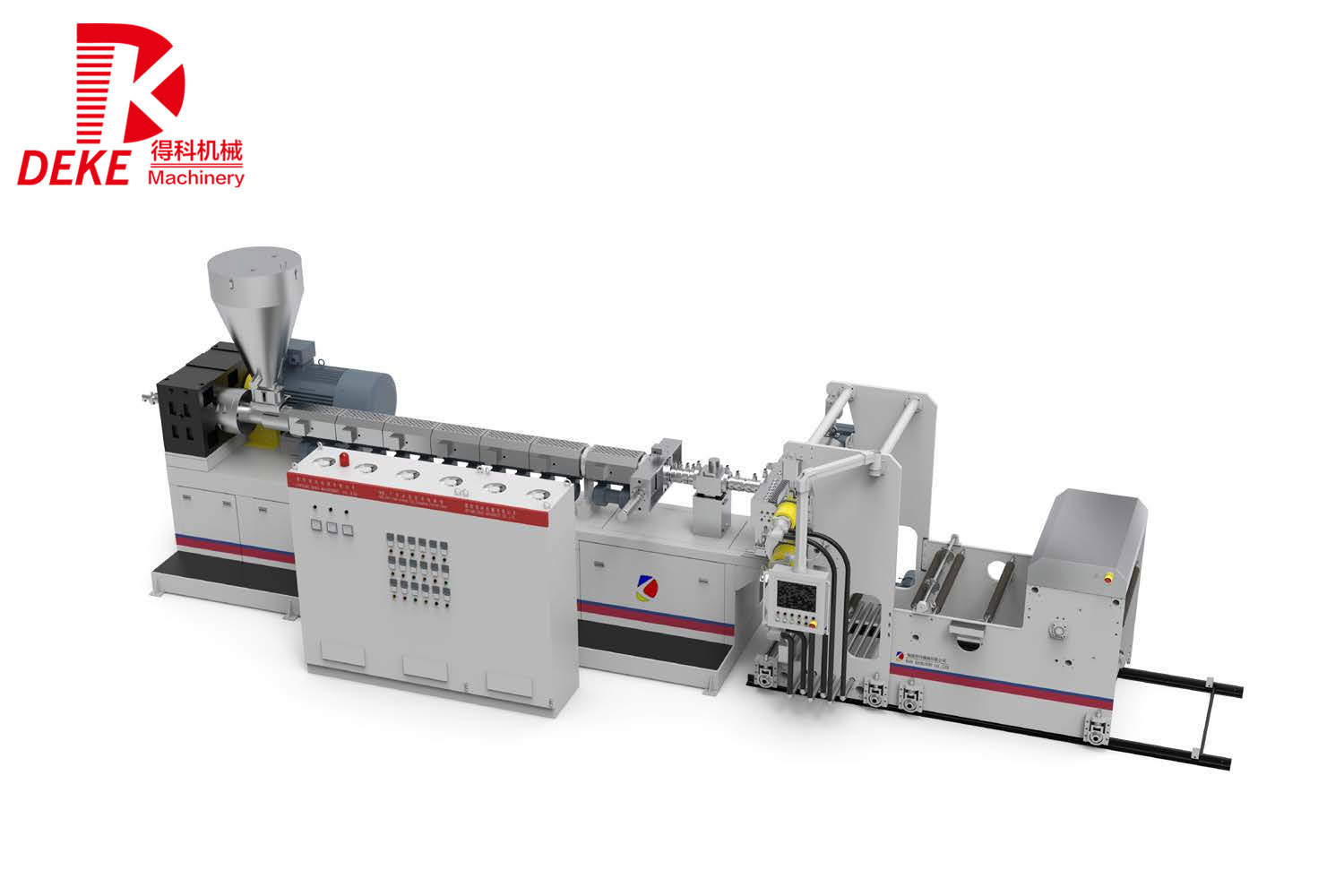
Choosing the Right HIPS Sheet Extruder for Your Manufacturing Needs
Understanding HIPS Sheets and Their Applications
HIPS (High-Impact Polystyrene) sheets are widely used in various industries due to their excellent toughness, impact resistance, and versatility. These sheets are commonly used for applications such as packaging, point-of-purchase displays, and even in the automotive sector. Understanding the specific needs related to HIPS sheets is crucial for selecting the right extruder.
Key Applications of HIPS Sheets
1. **Packaging**: HIPS sheets are extensively used for making packaging materials due to their lightweight and strong properties.
2. **Display and Signage**: Retail displays and signage made from HIPS offer durability and an attractive finish.
3. **Consumer Products**: Many household items, like containers and appliances, utilize HIPS for its resilience.
Factors to Consider When Choosing an HIPS Sheet Extruder
Selecting the right extruder involves evaluating several critical factors that will ultimately affect your manufacturing efficiency and product quality.
1. Extruder Type
The type of extruder is foundational to your choice. Common types include single-screw and twin-screw extruders.
- **Single-Screw Extruders**: Suitable for straightforward applications, they are simpler and generally more affordable.
- **Twin-Screw Extruders**: Ideal for more complex formulations, they provide better mixing and are more versatile for various additives.
2. Throughput Capacity
The throughput capacity of an extruder is the amount of material it can process over a given period. High-capacity extruders can significantly enhance production rates, making them an excellent choice for large-scale operations.
3. Temperature Control
HIPS processing requires precise temperature management to ensure optimal melting and molding characteristics. Look for extruders equipped with advanced temperature control systems.
4. Energy Efficiency
Energy consumption is a significant cost in manufacturing. Investing in an energy-efficient extruder can reduce operational costs and contribute to sustainability efforts.
Performance Metrics of HIPS Sheet Extruders
To make an informed choice, understanding the performance metrics of extruders is vital.
1. Melting Capacity
The melting capacity determines how quickly the extruder can convert HIPS granules into a molten state. Higher melting capacity facilitates quicker production cycles.
2. Pressure and Torque Specifications
Different applications require different pressure and torque levels. Select an extruder that meets the specific pressure and torque requirements needed for your HIPS sheet production.
3. Surface Finish Quality
The finish quality of the extruded HIPS sheet is critical. Ensure the extruder is capable of delivering a smooth, defect-free surface to meet the end-user specifications.
Integration of Technology in HIPS Extrusion
Modern HIPS sheet extruders often come equipped with technology that enhances productivity and quality.
1. Automation Features
Automation can streamline operations, reduce labor costs, and minimize human error. Look for extruders that offer programmable settings for consistent output.
2. Data Monitoring Systems
Advanced data monitoring can help in tracking performance metrics in real time, enabling manufacturers to make quick adjustments and optimize the extrusion process.
Expert Tips for Selecting the Right HIPS Sheet Extruder
As you navigate the market, consider these expert tips for selecting the right HIPS sheet extruder.
1. Assess Your Production Volume
Evaluate your production needs. For small to medium operations, a single-screw extruder might suffice, whereas large operations often necessitate the capabilities of a twin-screw extruder.
2. Consider Material Compatibility
Ensure that the extruder can handle HIPS and any other materials or additives you intend to use. Compatibility will impact the quality and efficiency of production.
3. Seek Manufacturer Support
Choose a reputable manufacturer that offers robust customer support. Having access to technical assistance can be invaluable during installation and operation.
4. Review Customer Feedback
Research and read reviews from other manufacturers who have used the extruder. Customer feedback can provide insight into real-world performance and reliability.
Cost Considerations When Purchasing HIPS Sheet Extruders
Budget constraints are a reality in manufacturing. Understanding the cost structure of HIPS sheet extruders is essential.
1. Initial Investment
The upfront cost of the extruder can vary significantly based on features and capabilities. Determine a budget that aligns with your production goals.
2. Operation and Maintenance Costs
Consider ongoing operational costs, including energy consumption, maintenance, and any necessary spare parts. An extruder with higher efficiency might present lower long-term costs.
3. Potential Return on Investment (ROI)
Evaluate the potential ROI based on increased production capacity and efficiency. A slightly higher initial investment may lead to substantial long-term gains.
FAQs About HIPS Sheet Extruders
1. What is a HIPS sheet extruder?
A HIPS sheet extruder is a machine specifically designed to process high-impact polystyrene into sheets for various applications.
2. How do I determine the right extruder capacity for my needs?
Assess your production volume and the thickness of sheets you plan to produce to determine the required extruder capacity.
3. Can an HIPS sheet extruder be used for other materials?
Many HIPS extruders can process other thermoplastics, but it's essential to check compatibility with specific materials.
4. What are the maintenance requirements for HIPS sheet extruders?
Regular cleaning, lubrication of components, and monitoring of temperature control systems are crucial for maintaining performance.
5. How does automation affect HIPS sheet extrusion?
Automation can enhance efficiency, reduce error rates, and allow for consistent quality in production runs.
Conclusion
Selecting the right HIPS sheet extruder is a pivotal decision for any manufacturer aiming for efficiency and quality. By considering factors like extruder type, throughput capacity, temperature control, and integration of technology, manufacturers can streamline their production processes and improve their product offerings. Understanding performance metrics and reviewing expert tips will further empower manufacturers to make informed choices that align with their specific needs. Ultimately, investing time in selecting the right extruder will lead to enhanced productivity, lower operational costs, and higher-quality HIPS sheets tailored to market demands.
RELATED INFORMATION

Why Choose Conical Twin Screw for Your Next Extrusion Project?
Why Choose Conical Twin Screw for Your Next Extrusion Project? Understanding Extrusion Technology In the realm of **plastic processing**, extrusion is an essential manufacturing technique that transforms raw plastic materials into usable products. The **extrusion process** involves forcing molten plastic through a die to create continuous shapes like sheets, films, and profiles. With advancements
Understanding the Advantages of Counter Rotating Twin Screw Extruders for Plastic Processing
Counter rotating twin screw extruders are pivotal in the plastic processing industry, recognized for their versatility and efficiency. Unlike single screw extruders, twin screw extruders feature two intermeshing screws that rotate in opposite directions. This design allows for enhanced material handling and processing capabilities, making them suitable for a wide array of applications. One of the

Website

Copyright©Jieyang Deke Machinery Co., Ltd.