
The Versatility of Twin Screw Roller Head Extruders in Custom Applications
2025-09
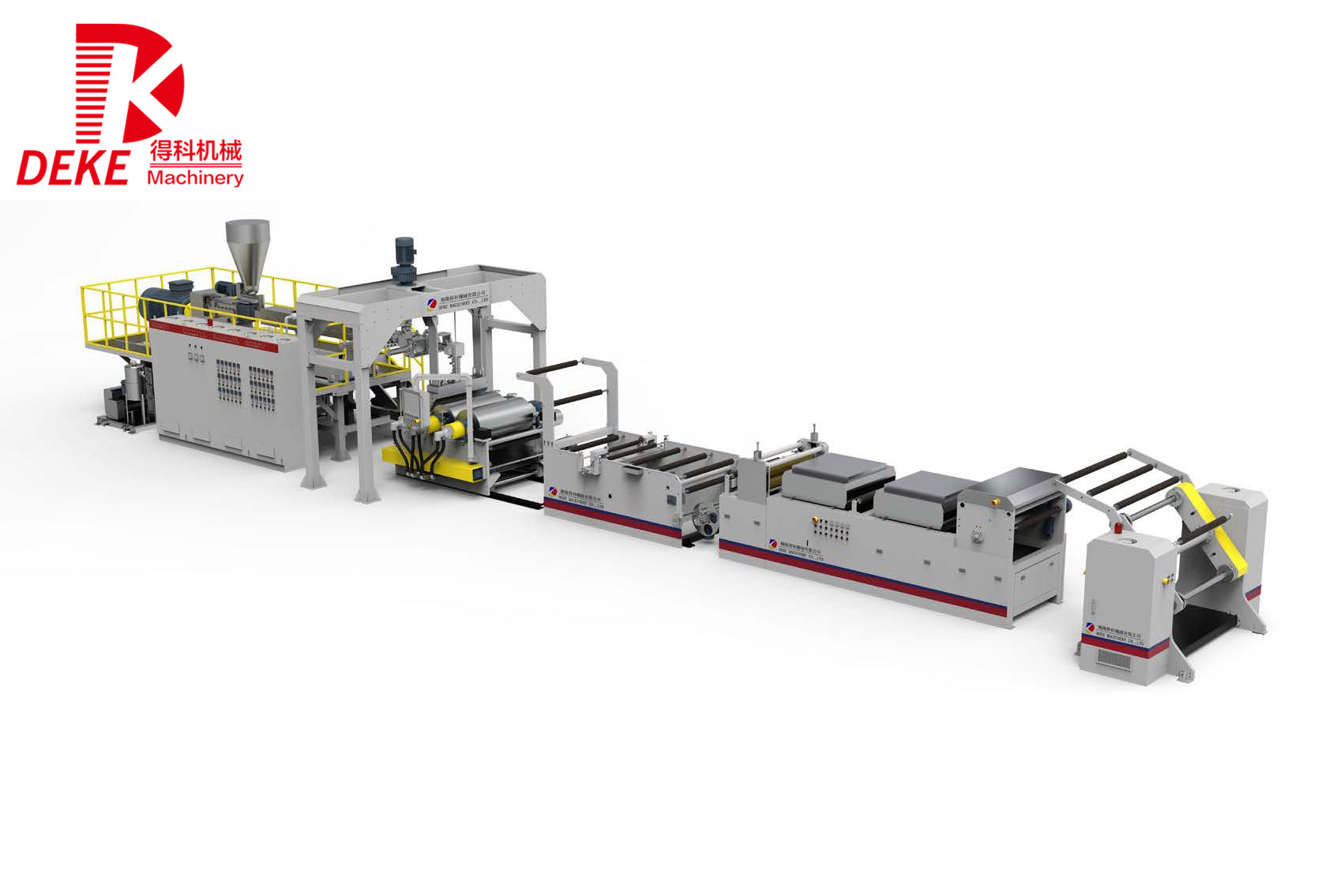
The Versatility of Twin Screw Roller Head Extruders in Custom Applications
Table of Contents
- Introduction to Twin Screw Roller Head Extruders
- What is a Twin Screw Extruder?
- How Do Twin Screw Extruders Work?
- Benefits of Using Twin Screw Extruders
- Customizable Designs and Applications
- Industries Utilizing Twin Screw Extruders
- Technological Advancements in Twin Screw Extrusion
- Maintenance and Optimization Tips
- Conclusion
- FAQs
Introduction to Twin Screw Roller Head Extruders
In the realm of **manufacturing** and **plastic processing**, the demand for efficient and versatile machinery is ever-growing. Among the most innovative solutions available today are **twin screw roller head extruders**. These machines have redefined the landscape of custom applications due to their flexibility and superior performance. This article aims to demystify the workings of twin screw extruders, explore their benefits, and illustrate their diverse applications across various industries.
What is a Twin Screw Extruder?
A **twin screw extruder** is a type of extrusion machine that employs two intermeshing screws to convey, mix, and process materials. Commonly used in the **plastic processing industry**, these extruders are designed to handle a myriad of materials, including thermoplastics, elastomers, and even some food products. The unique configuration of the twin screws allows for enhanced mixing, efficient melting, and improved material handling, making them ideal for custom applications.
Types of Twin Screw Extruders
There are two primary types of twin screw extruders:
1. **Conical Twin Screw Extruders**: These feature screws that taper towards the discharge end, providing high mixing efficiency and suitable for material that requires gentle processing.
2. **Parallel Twin Screw Extruders**: These have screws of equal diameter and length, allowing for greater output and versatility in processing various materials.
How Do Twin Screw Extruders Work?
The operation of a twin screw extruder is a complex yet efficient process that involves several stages:
1. **Feeding**: Raw materials are fed into the extruder through a hopper.
2. **Melting**: The material is transported along the screws, where they are subjected to heat and pressure. The design of the screws promotes efficient melting and mixing.
3. **Mixing**: As the material moves through the extruder, the intermeshing screws create a thorough mix, ensuring uniformity.
4. **Extrusion**: The molten material is then forced through a die, shaping it into the desired form.
Benefits of Using Twin Screw Extruders
The advantages of **twin screw roller head extruders** are numerous, particularly when it comes to customization and versatility in production settings.
Enhanced Mixing and Homogeneity
One of the primary benefits of twin screw extruders is their ability to mix materials thoroughly. The **intermeshing screws** create a high shear environment, which promotes uniform blending of additives, pigments, and fillers into the base material.
Greater Control Over Processing Conditions
With twin screw extruders, manufacturers have the ability to closely monitor and adjust processing conditions. This includes temperature, pressure, and feed rates, allowing for fine-tuning of the extrusion process to meet specific product requirements.
Reduced Processing Times
The efficient melting and mixing capabilities of twin screw extruders can significantly reduce processing times. This improved efficiency results in higher throughput, making it an ideal choice for large-scale production.
Versatility Across Material Types
Twin screw extruders can process a wide variety of materials, including:
- Thermoplastics
- Thermosets
- Composites
- Biopolymers
This versatility makes them an excellent choice for manufacturers looking to produce different products with minimal downtime.
Customizable Designs and Applications
The adaptability of twin screw extruders allows for the customization of designs to meet specific production needs. Manufacturers can alter the geometry of the screws, change the barrel configuration, and even modify the die design for specific applications.
Examples of Custom Applications
1. **Compounding**: Twin screw extruders are commonly used for compounding various plastic materials, allowing manufacturers to create specialized materials with enhanced properties.
2. **Foaming**: The capability to mix gas with polymers makes twin screw extruders ideal for producing foamed materials, such as packaging foam or insulation.
3. **Recycling**: They are also used in recycling processes, enabling the blending of recycled materials with virgin materials to enhance quality.
Industries Utilizing Twin Screw Extruders
Various industries have embraced twin screw extruders for their efficiency and adaptability. Key industries include:
Plastic Manufacturing
The plastic industry is the largest consumer of twin screw extruders, utilizing them for producing a wide range of products, from packaging materials to consumer goods.
Food Processing
In the food industry, twin screw extruders are used for producing snacks, cereals, and even pet food, ensuring proper mixing and texture.
Pharmaceuticals
The pharmaceutical sector benefits from twin screw extruders for the production of controlled-release drug formulations, where precision and uniformity are crucial.
Technological Advancements in Twin Screw Extrusion
Recent advancements in technology have further enhanced the capabilities of twin screw extruders. Innovations such as **smart extrusion technology** allow for real-time monitoring and data analysis, leading to improved efficiency and product quality.
Maintenance and Optimization Tips
To ensure optimal performance, regular maintenance of twin screw extruders is essential. Here are some best practices:
Routine Inspections
Conduct regular inspections of the screws, barrels, and other components to identify wear and tear early.
Cleaning Protocols
Establish a cleaning protocol to prevent cross-contamination when switching between different materials.
Monitoring Operational Parameters
Continuously monitor temperature, pressure, and throughput to identify potential issues before they impact production.
Conclusion
**Twin screw roller head extruders** represent a cornerstone in modern manufacturing, particularly in the **plastic processing industry**. Their versatility, efficiency, and ability to handle a wide range of materials make them an invaluable asset for manufacturers seeking to optimize their production processes. By understanding the capabilities and applications of twin screw extruders, businesses can leverage this technology to innovate and enhance product quality, ultimately leading to greater success in the competitive marketplace.
FAQs
1. What materials can be processed with twin screw extruders?
Twin screw extruders can process thermoplastics, thermosets, composites, and biopolymers, among others.
2. How does a twin screw extruder differ from a single screw extruder?
A twin screw extruder has two intermeshing screws that provide better mixing and material handling compared to a single screw extruder.
3. Can twin screw extruders be customized for specific applications?
Yes, the design of twin screw extruders can be customized, allowing manufacturers to tailor them for specific applications and materials.
4. What industries benefit most from twin screw extruders?
Key industries include plastic manufacturing, food processing, and pharmaceuticals, among others.
5. What maintenance practices are recommended for twin screw extruders?
Regular inspections, implementing cleaning protocols, and monitoring operational parameters are essential for optimal performance.
By focusing on the unique capabilities and applications of twin screw roller head extruders, this article provides manufacturers with the insights necessary to make informed decisions about their production processes, ultimately leading to enhanced efficiency and product quality.
RELATED INFORMATION

Why Choose Conical Twin Screw for Your Next Extrusion Project?
Why Choose Conical Twin Screw for Your Next Extrusion Project? Understanding Extrusion Technology In the realm of **plastic processing**, extrusion is an essential manufacturing technique that transforms raw plastic materials into usable products. The **extrusion process** involves forcing molten plastic through a die to create continuous shapes like sheets, films, and profiles. With advancements
Understanding the Advantages of Counter Rotating Twin Screw Extruders for Plastic Processing
Counter rotating twin screw extruders are pivotal in the plastic processing industry, recognized for their versatility and efficiency. Unlike single screw extruders, twin screw extruders feature two intermeshing screws that rotate in opposite directions. This design allows for enhanced material handling and processing capabilities, making them suitable for a wide array of applications. One of the

Website

Copyright©Jieyang Deke Machinery Co., Ltd.