
Understanding PE Foam Sheet Extruders: A Key Component in Plastic Processing
2025-09
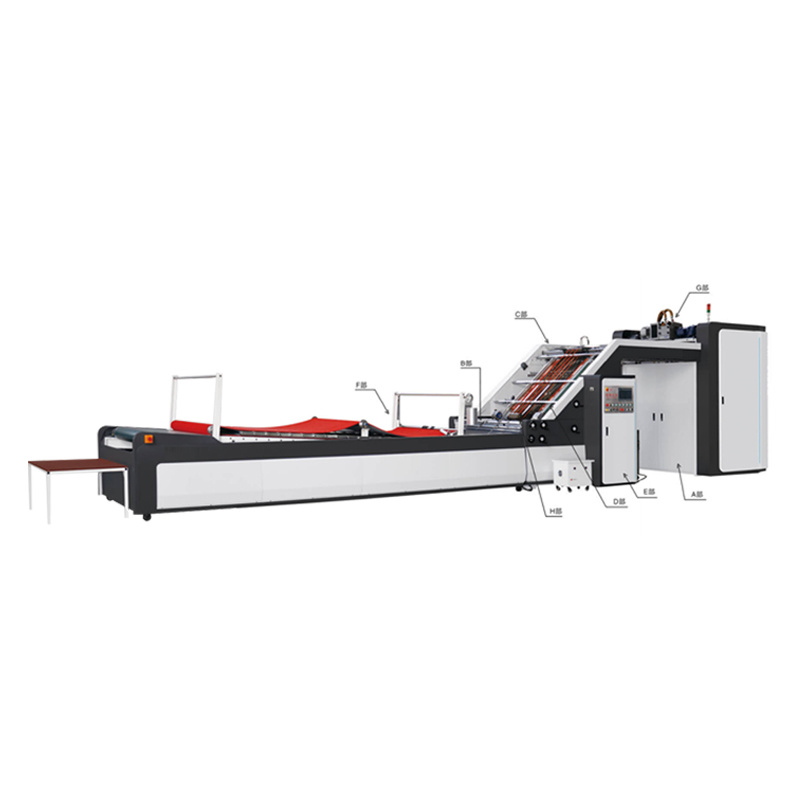
A PE foam sheet extruder is designed to melt and form polyethylene resin into continuous sheets of foam. The extrusion process begins with feeding raw polyethylene pellets into the extruder's hopper, where they are heated and melted. The melted material is then forced through a die, which shapes it into a flat sheet. The extruder also utilizes a blowing agent, which creates tiny bubbles within the polymer matrix, thus producing a lightweight foam structure. The resulting sheets can vary in thickness, density, and surface texture, depending on the specific requirements of the end-use application.
One of the primary advantages of using a PE foam sheet extruder is its efficiency in mass production. These machines are capable of producing large volumes of foam sheets at high speeds, significantly reducing manufacturing costs and time. Additionally, advancements in extrusion technology have led to increased energy efficiency and a lower environmental impact by minimizing material waste during production.
Moreover, the versatility of PE foam sheets makes them suitable for a wide range of applications. For instance, they are commonly used in the packaging industry to protect fragile items, in construction for insulation purposes, and in automotive applications for sound and vibration dampening. The ability to tailor the physical properties of foam sheets through the extrusion process allows manufacturers to meet diverse customer needs effectively.
In conclusion, a PE foam sheet extruder is a vital piece of equipment in the plastic processing industry. Its role in efficiently producing high-quality foam sheets cannot be overstated. As the demand for sustainable and innovative materials grows, understanding the intricacies of PE foam sheet extrusion will be essential for industry professionals. By leveraging the capabilities of these extruders, manufacturers can not only enhance their product offerings but also contribute to more sustainable production practices in the plastics industry.
RELATED INFORMATION

Why Choose Conical Twin Screw for Your Next Extrusion Project?
Why Choose Conical Twin Screw for Your Next Extrusion Project? Understanding Extrusion Technology In the realm of **plastic processing**, extrusion is an essential manufacturing technique that transforms raw plastic materials into usable products. The **extrusion process** involves forcing molten plastic through a die to create continuous shapes like sheets, films, and profiles. With advancements
Understanding the Advantages of Counter Rotating Twin Screw Extruders for Plastic Processing
Counter rotating twin screw extruders are pivotal in the plastic processing industry, recognized for their versatility and efficiency. Unlike single screw extruders, twin screw extruders feature two intermeshing screws that rotate in opposite directions. This design allows for enhanced material handling and processing capabilities, making them suitable for a wide array of applications. One of the

Website

Copyright©Jieyang Deke Machinery Co., Ltd.