
Common Challenges in HIPS Sheet Extrusion and Effective Solutions
2025-09
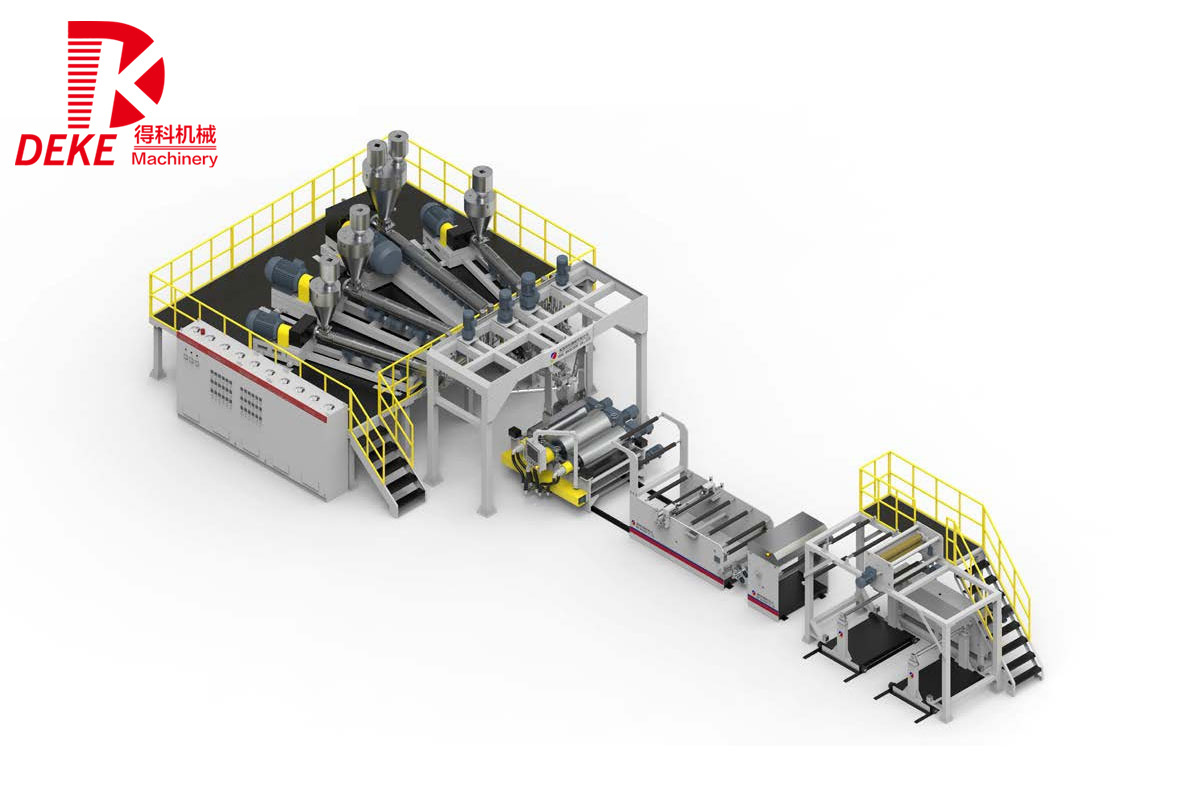
Common Challenges in HIPS Sheet Extrusion and Effective Solutions
Introduction to HIPS Sheet Extrusion
High Impact Polystyrene (HIPS) is a popular thermoplastic used in various applications, particularly in the production of sheets. The extrusion process for HIPS sheets involves heating the material until it becomes pliable, then forcing it through a die to create sheets of specified thickness. Despite its widespread use, the extrusion of HIPS sheets comes with its own set of challenges. Understanding these issues is crucial for improving manufacturing processes and ensuring product quality.
1. Understanding HIPS: Properties and Applications
HIPS is favored for its excellent impact resistance, ease of processing, and good surface finish. It is commonly used in applications such as packaging, automotive parts, and consumer goods. The versatility of HIPS makes it a preferred material in many industries, but the complexities of its extrusion process can lead to difficulties.
1.1 Key Properties of HIPS
- **Impact Resistance**: HIPS offers superior durability, making it ideal for applications requiring toughness.
- **Thermal Stability**: It maintains its properties at varying temperatures, which is crucial during the extrusion process.
- **Ease of Fabrication**: With its excellent workability, HIPS can be easily formed into sheets of various thicknesses and shapes.
2. Common Challenges in HIPS Sheet Extrusion
Understanding the common challenges faced during the extrusion of HIPS sheets can help manufacturers mitigate them effectively. Here are some prevalent issues:
2.1 Inconsistent Sheet Thickness
Achieving a uniform thickness across HIPS sheets is a common challenge. Variations in temperature, pressure, and material feed can lead to inconsistent results.
2.2 Surface Defects
Surface imperfections, such as warping, bubbles, and scratches, can arise during the extrusion process. These defects compromise the aesthetic and functional quality of the final product.
2.3 Material Degradation
Excessive heat during the extrusion process can lead to the degradation of HIPS, resulting in discoloration and loss of mechanical properties. Understanding the melting temperature and thermal history of HIPS is essential to prevent this issue.
2.4 Equipment Maintenance
The extrusion machinery requires regular maintenance to function optimally. Neglecting this can lead to breakdowns, increased downtime, and reduced production efficiency.
2.5 Waste Management
Inefficient processes can generate a significant amount of waste, leading to increased production costs and environmental concerns. Identifying areas for optimization is crucial for minimizing waste.
3. Solutions to Overcome HIPS Sheet Extrusion Challenges
To address the challenges associated with HIPS sheet extrusion, the following strategies can be implemented:
3.1 Optimizing Extrusion Parameters
Carefully controlling the extrusion parameters, such as temperature, pressure, and feed rate, can greatly improve the consistency of sheet thickness. Regular monitoring and adjustments based on real-time data will help maintain uniformity.
3.2 Implementing Quality Control Measures
Establishing rigorous quality control protocols ensures that surface defects are identified and addressed promptly. Techniques such as automated visual inspection systems can help detect imperfections early in the process.
3.3 Utilizing Advanced Materials
Incorporating additives that enhance the thermal stability of HIPS can help prevent material degradation. Understanding the melting points and flow characteristics of these materials will aid in selecting the right additives.
3.4 Regular Equipment Maintenance and Upgrades
Investing in preventive maintenance programs for extrusion equipment ensures optimal performance and longevity. Regular checks and timely upgrades can prevent breakdowns that disrupt production.
3.5 Waste Reduction Strategies
Implementing lean manufacturing principles can help identify inefficiencies and areas for waste reduction. Techniques such as recycling scrap material and optimizing material usage will not only reduce waste but also cut costs.
4. The Importance of Staff Training
An often-overlooked aspect of successful HIPS sheet extrusion is the role of well-trained staff. Proper training ensures that employees understand the intricacies of the extrusion process and can operate machinery effectively.
4.1 Building a Knowledgeable Workforce
Regular training sessions focused on the latest extrusion technologies and methodologies can enhance staff skills. A knowledgeable workforce is better equipped to identify potential issues before they escalate.
4.2 Fostering a Culture of Continuous Improvement
Encouraging employees to contribute ideas for process improvements can lead to innovative solutions and enhanced efficiency. A culture of continuous improvement promotes engagement and accountability.
5. Case Studies: Successful HIPS Sheet Extrusion
Examining real-world examples can provide insight into the successful implementation of solutions.
5.1 Implementing Process Controls at ABC Plastics
ABC Plastics faced challenges with inconsistent sheet thickness. By investing in advanced process control systems, they were able to monitor parameters in real-time, resulting in significant improvements in product quality.
5.2 Quality Assurance at XYZ Manufacturing
XYZ Manufacturing implemented a quality assurance program that included automated inspection. This led to a 30% reduction in surface defects, showcasing the importance of quality control measures.
6. Future Trends in HIPS Sheet Extrusion
As technology continues to advance, the future of HIPS sheet extrusion looks promising.
6.1 Automation and Smart Manufacturing
Integrating automation into the extrusion process can enhance efficiency and reduce labor costs. Smart manufacturing technologies will allow for real-time data analysis, leading to better decision-making.
6.2 Sustainable Practices
With increasing environmental concerns, the industry is moving towards more sustainable practices. Developing biodegradable additives and improving recycling processes will be key trends.
7. Frequently Asked Questions (FAQs)
7.1 What is HIPS, and why is it used for sheet extrusion?
HIPS, or High Impact Polystyrene, is a versatile thermoplastic known for its impact resistance and ease of processing, making it ideal for sheet extrusion applications.
7.2 What are the common defects in HIPS sheet extrusion?
Common defects include inconsistent thickness, surface imperfections such as bubbles or scratches, and material degradation due to excessive heat.
7.3 How can I improve the quality of my HIPS sheets?
Optimizing extrusion parameters, implementing quality control measures, and maintaining equipment regularly can significantly enhance the quality of HIPS sheets.
7.4 What role does staff training play in extrusion processes?
Well-trained staff can operate machinery efficiently, identify potential issues, and contribute to continuous improvement efforts, enhancing overall production quality.
7.5 What are some waste reduction strategies in HIPS sheet extrusion?
Implementing lean manufacturing principles, recycling scrap material, and optimizing material usage can effectively reduce waste and associated costs.
Conclusion
In conclusion, the extrusion of HIPS sheets presents various challenges that, if unaddressed, can hinder production efficiency and product quality. By understanding these challenges and implementing effective solutions, manufacturers can optimize their processes and ensure high-quality output. Continuous training, advanced materials, and a commitment to quality control are essential for overcoming obstacles. As we move forward, the integration of automation and sustainable practices will play a pivotal role in shaping the future of HIPS sheet extrusion. Embracing these advancements will not only enhance operational efficiency but also contribute to a more sustainable and responsible manufacturing industry.
RELATED INFORMATION

Why Choose Conical Twin Screw for Your Next Extrusion Project?
Why Choose Conical Twin Screw for Your Next Extrusion Project? Understanding Extrusion Technology In the realm of **plastic processing**, extrusion is an essential manufacturing technique that transforms raw plastic materials into usable products. The **extrusion process** involves forcing molten plastic through a die to create continuous shapes like sheets, films, and profiles. With advancements
Understanding the Advantages of Counter Rotating Twin Screw Extruders for Plastic Processing
Counter rotating twin screw extruders are pivotal in the plastic processing industry, recognized for their versatility and efficiency. Unlike single screw extruders, twin screw extruders feature two intermeshing screws that rotate in opposite directions. This design allows for enhanced material handling and processing capabilities, making them suitable for a wide array of applications. One of the

Website

Copyright©Jieyang Deke Machinery Co., Ltd.