
Why Efficiency Matters in PET Extrusion Sheet Line Operations
2025-09
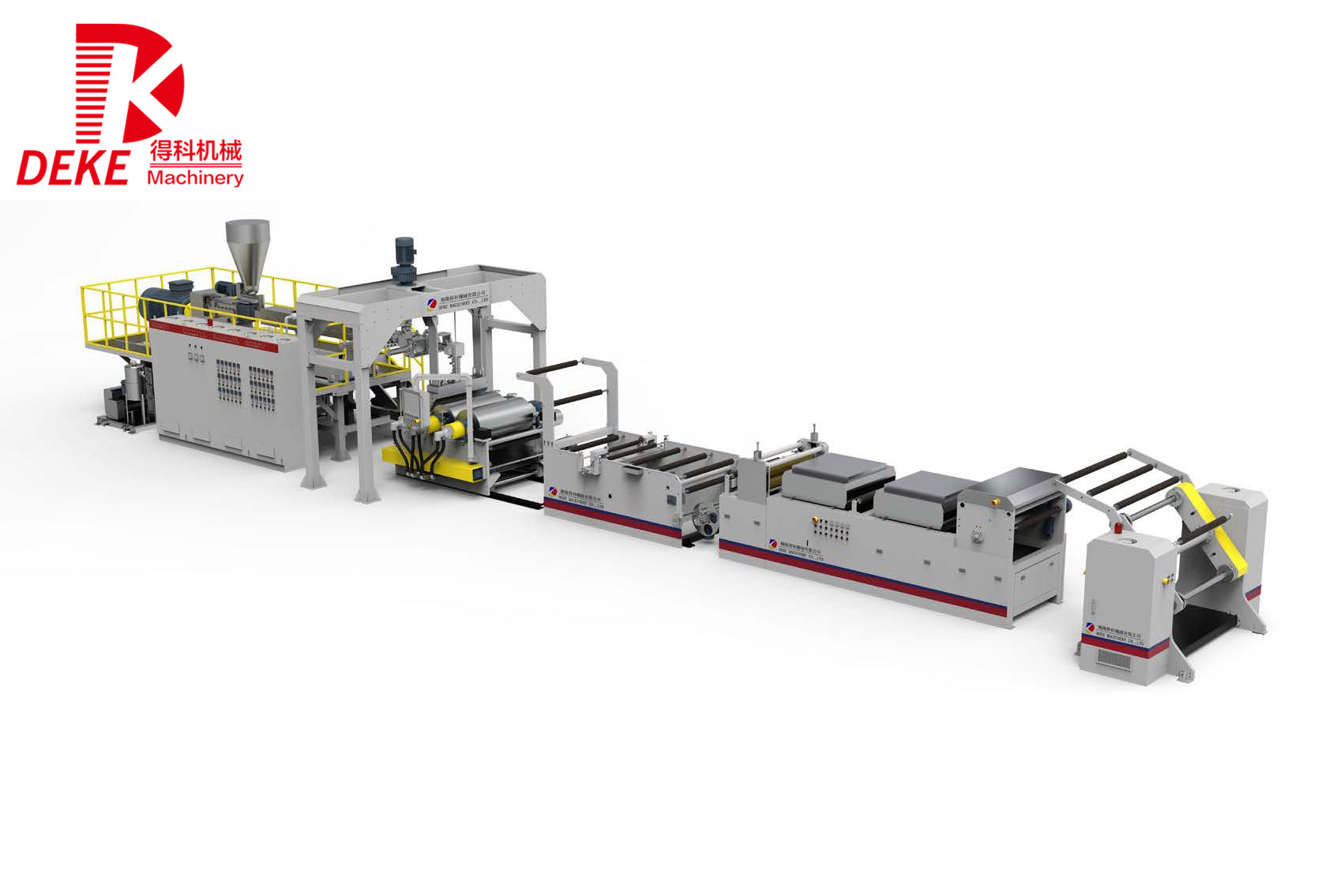
Why Efficiency Matters in PET Extrusion Sheet Line Operations
Understanding PET Extrusion: An Overview
The production of polyethylene terephthalate (PET) sheets has become increasingly important in various industries, including packaging, automotive, and construction. PET extrusion is a process that converts raw PET resin into usable sheets through a series of steps involving heat, pressure, and molding.
What is PET Extrusion?
PET extrusion refers to the method of processing PET polymer into flat sheets through a continuous manufacturing process. The process begins with PET granules being melted and formed into sheets via an extruder. This operation is critical in producing high-quality sheets used for various applications, including food packaging, signage, and insulation.
The Importance of Efficiency in PET Extrusion Operations
Efficiency in PET extrusion line operations is pivotal for several reasons. First, it impacts production costs. Reducing waste and optimizing equipment utilization can significantly decrease overall expenses. Secondly, enhanced efficiency leads to faster turnaround times, which is crucial in a fast-paced market where customer demands change rapidly. Finally, operational efficiency contributes to improved product quality, resulting in higher customer satisfaction and retention.
Key Factors Influencing Efficiency in PET Extrusion Operations
1. Equipment Quality and Maintenance
The efficiency of a PET extrusion line largely hinges on the quality and condition of the equipment used. High-quality extruders, dies, and cooling systems ensure a smoother operation. Regular maintenance is essential to prevent breakdowns and reduce downtime. Investing in advanced technology, such as automated monitoring systems, can also enhance performance by providing real-time insights into operational efficiency.
2. Process Optimization Techniques
Process optimization is a continuous effort aimed at improving the efficiency of the extrusion line. Techniques such as Lean Manufacturing and Six Sigma can be applied to minimize waste, reduce variations, and streamline processes. By analyzing every step of the production cycle, manufacturers can identify bottlenecks and implement solutions to enhance throughput.
3. Employee Training and Skill Development
A skilled workforce is vital for the successful operation of PET extrusion lines. Ongoing training programs focused on equipment operation and maintenance can empower employees to perform their roles more effectively. Knowledgeable operators can quickly identify issues and make necessary adjustments, minimizing disruptions and improving overall efficiency.
Strategies to Enhance Efficiency in PET Extrusion Operations
1. Implementing Advanced Monitoring Systems
Installing advanced monitoring systems can provide valuable data on machine performance, production rates, and energy consumption. By leveraging this data, manufacturers can pinpoint inefficiencies and make informed decisions to enhance productivity. Predictive maintenance technology can also forecast potential equipment failures, allowing for timely interventions.
2. Streamlining Raw Material Handling
Efficient handling and storage of raw materials are critical to maintaining a consistent production flow. Implementing automated material handling systems can reduce manual labor and minimize the risk of contamination. Ensuring that materials are stored in optimal conditions also prevents degradation, preserving their quality before processing.
3. Enhancing Cooling Systems
Cooling is a vital step in the PET extrusion process that significantly influences efficiency. An effective cooling system ensures that the PET sheets maintain their required properties and dimensions. Investing in advanced cooling technologies, such as water chillers or air cooling systems, can enhance the efficiency of the cooling stage.
4. Reducing Energy Consumption
Energy costs are a significant part of the operational budget in PET extrusion. Adopting energy-efficient machines and optimizing production schedules to reduce peak energy usage can result in substantial savings. Utilizing regenerative drives and efficient heating systems can further decrease energy consumption, enhancing overall operational efficiency.
Measuring Efficiency in PET Extrusion Operations
Key Performance Indicators (KPIs)
To assess the efficiency of PET extrusion operations, it’s essential to establish key performance indicators (KPIs). Common KPIs include:
- **Production Rate**: Measures the output per unit of time.
- **Machine Downtime**: Tracks the amount of time machines are not operational.
- **Material Waste**: Monitors the quantity of raw materials wasted during production.
- **Energy Usage**: Evaluates the energy consumed per unit of production.
Benchmarking Against Industry Standards
Benchmarking performance against industry standards can provide insights into areas needing improvement. Comparing KPIs with those of industry leaders can highlight efficiency gaps and guide strategic initiatives.
Challenges to Achieving Efficient PET Extrusion Operations
1. Equipment Limitations
Older machinery may lack the capabilities required for modern production demands, leading to decreased efficiency. Investing in updated technology and equipment can mitigate this challenge and improve production capabilities.
2. Fluctuating Raw Material Costs
The cost of raw materials can fluctuate due to market conditions, impacting operational budgets. Establishing long-term relationships with suppliers can help stabilize costs and ensure consistent material quality.
3. Regulatory Compliance
Compliance with environmental regulations and industry standards can pose challenges. Striving for efficiency while meeting these requirements requires careful planning and investment in compliant technologies.
Future Trends in PET Extrusion Efficiency
1. Automation and Industry 4.0
The rise of automation in manufacturing is set to revolutionize PET extrusion operations. The integration of Industry 4.0 technologies, such as IoT and artificial intelligence, will enable real-time monitoring and control, leading to greater efficiency and reduced operational costs.
2. Sustainable Practices
Sustainability is becoming increasingly critical in the manufacturing sector. Implementing eco-friendly practices, such as recycling scrap material and using biodegradable additives, can enhance brand reputation while improving efficiency.
3. Continuous Improvement Cultures
Adopting a culture of continuous improvement will accelerate efficiency gains. Encouraging teams to innovate and share ideas for process enhancements fosters an environment where operational excellence can thrive.
FAQs about Efficiency in PET Extrusion Operations
1. How can I improve efficiency in my PET extrusion line?
Improving efficiency can be achieved through regular maintenance, employee training, process optimization, and implementing advanced monitoring technologies.
2. What are the common causes of inefficiency in PET extrusion?
Common causes include outdated equipment, lack of skilled labor, poor process management, and high energy consumption.
3. How does employee training impact PET extrusion efficiency?
Well-trained employees are better equipped to operate machinery effectively, troubleshoot issues, and implement best practices, leading to increased efficiency.
4. What role does energy consumption play in extrusion efficiency?
High energy consumption can inflate production costs. Implementing energy-saving practices and machinery can significantly enhance efficiency.
5. What are the future trends in PET extrusion efficiency?
Future trends include increased automation, the adoption of sustainable practices, and a focus on continuous improvement methodologies.
Conclusion
In conclusion, efficiency in PET extrusion sheet line operations is not merely a goal but an imperative for success in the highly competitive plastic manufacturing industry. By focusing on equipment quality, process optimization, skilled workforce development, and embracing future trends like automation, manufacturers can significantly enhance their operational efficiency. Committing to these strategies not only improves productivity but also positions businesses to respond to market demands effectively, ensuring long-term profitability and sustainability. Embrace the journey toward efficiency today, realizing that each incremental improvement contributes to a more robust and competitive operation in the PET extrusion sector.
RELATED INFORMATION

Why Choose Conical Twin Screw for Your Next Extrusion Project?
Why Choose Conical Twin Screw for Your Next Extrusion Project? Understanding Extrusion Technology In the realm of **plastic processing**, extrusion is an essential manufacturing technique that transforms raw plastic materials into usable products. The **extrusion process** involves forcing molten plastic through a die to create continuous shapes like sheets, films, and profiles. With advancements
Understanding the Advantages of Counter Rotating Twin Screw Extruders for Plastic Processing
Counter rotating twin screw extruders are pivotal in the plastic processing industry, recognized for their versatility and efficiency. Unlike single screw extruders, twin screw extruders feature two intermeshing screws that rotate in opposite directions. This design allows for enhanced material handling and processing capabilities, making them suitable for a wide array of applications. One of the

Website

Copyright©Jieyang Deke Machinery Co., Ltd.