
Key Features to Look for in a Twin Screw Extruder for Compounding
2025-09
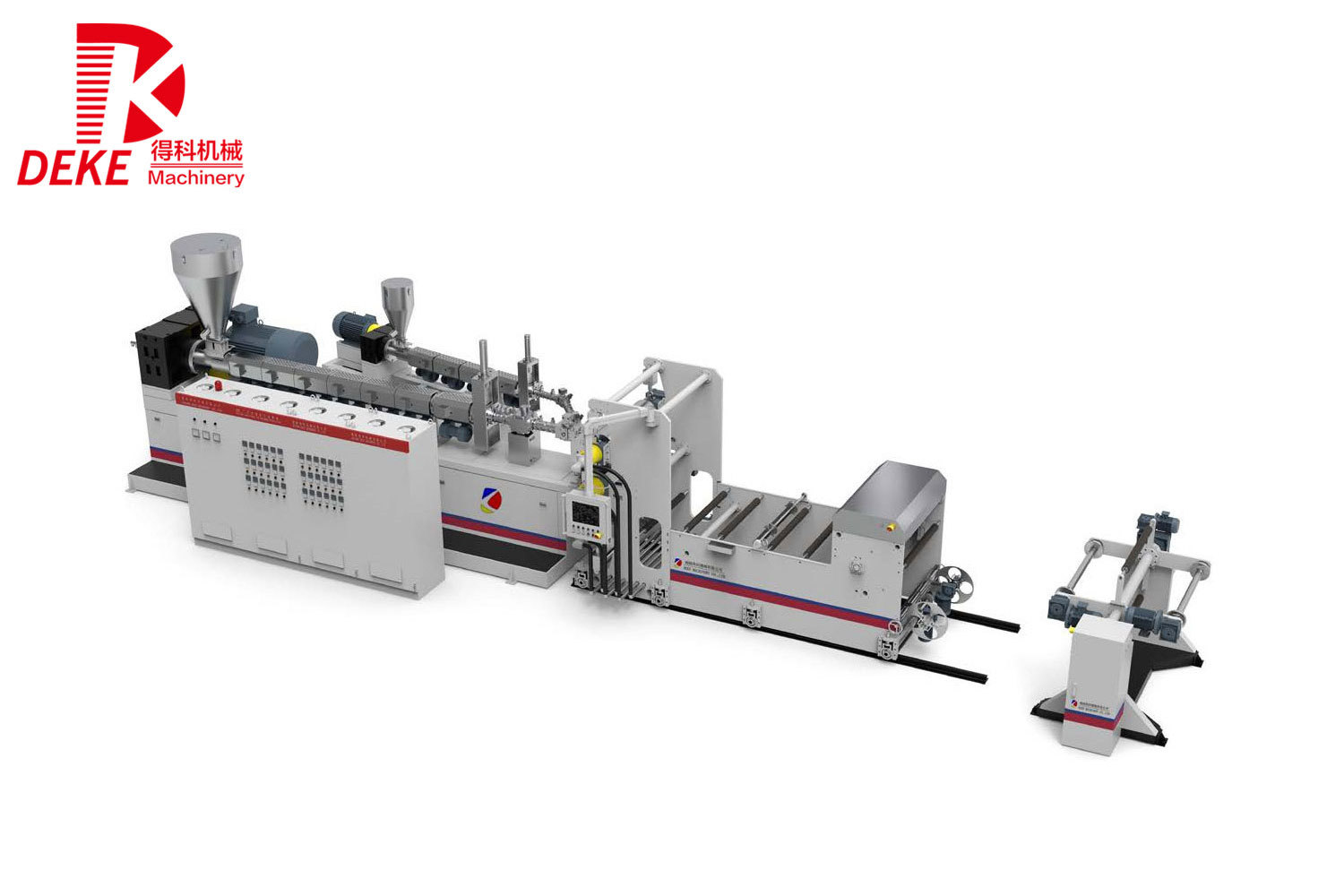
Key Features to Look for in a Twin Screw Extruder for Compounding
Compounding plastics is a crucial process in the manufacturing industry, and selecting the right equipment can significantly impact product quality and efficiency. Among the various options available, twin screw extruders stand out as highly versatile and effective machines for compounding. This article delves into the key features to consider when choosing a twin screw extruder, ensuring your investment pays off in the long run.
Understanding Twin Screw Extruders: A Brief Overview
Before diving into specifics, it's essential to understand what twin screw extruders are and how they function. These machines consist of two intermeshing screws that rotate within a barrel, facilitating the mixing of polymers with additives, fillers, or other materials. The design allows for superior mixing, precise temperature control, and enhanced material properties.
Table of Contents
1. Design Versatility of Twin Screw Extruders
2. Screw Geometry and Configuration
3. Temperature Control Mechanisms
4. Feeding Systems and Material Handling
5. Drive Systems and Torque Management
6. Ease of Cleaning and Maintenance
7. Advanced Control Systems and Automation
8. Applications of Twin Screw Extruders in Compounding
9. Conclusion
10. Frequently Asked Questions (FAQs)
Design Versatility of Twin Screw Extruders
When searching for the ideal twin screw extruder, **design versatility** is paramount. The machine should accommodate various configurations tailored to specific compounding requirements. Look for extruders that offer interchangeable screw elements, as this flexibility allows manufacturers to adapt their processes to different materials and formulations.
Moreover, a **modular design** will enable easier upgrades and maintenance. Machines that allow for quick changes in screw length or diameter can enhance operational efficiency, especially in environments with frequent production changes.
Screw Geometry and Configuration
The **screw geometry** of a twin screw extruder plays a pivotal role in the mixing and processing capabilities. Key aspects to consider include:
- **Screw Pitch:** A variable screw pitch can optimize the material flow and mixing efficiency. A tighter pitch enhances mixing, while a wider pitch can improve throughput.
- **Element Types:** Different screw elements (e.g., mixing, conveying, pumping) should be available for customization based on the material being processed. For instance, a mixing element is beneficial for applications requiring high dispersion of additives.
- **Screw Length-to-Diameter Ratio:** The L/D ratio can significantly affect the residence time and processing characteristics of the material. Longer screws provide better mixing but may also require more power.
Selecting an extruder with a sophisticated design tailored to your specific application will enhance overall performance and product quality.
Temperature Control Mechanisms
Effective **temperature control** is crucial in compounding as it directly influences the material properties and processing behavior. Look for twin screw extruders equipped with advanced temperature control systems that offer:
- **Zone Control:** Multiple heating and cooling zones throughout the extruder allow for precise temperature management at different stages of processing. This feature is essential for handling materials with varying thermal sensitivities.
- **Real-Time Monitoring:** Integrated sensors that provide real-time feedback on temperature can help operators make immediate adjustments, ensuring optimal processing conditions.
- **PID Control Systems:** Proportional-Integral-Derivative (PID) controllers can automate temperature regulation, enhancing consistency in production and reducing the risk of material degradation.
Feeding Systems and Material Handling
The **feeding system** is critical to maintaining a constant material flow into the extruder. Consider the following features when evaluating feeding mechanisms:
- **Flexibility in Feed Types:** The ability to handle various feed types—such as granules, powders, or liquids—will enhance the extruder's versatility. Some extruders come with multiple feed ports to facilitate this.
- **Feeder Design:** Look for designs that ensure a consistent feed rate and minimize material degradation. Loss-in-weight feeders can provide accurate measurement and control over the feeding process.
- **Chamber Pressure Control:** Advanced systems that monitor and adjust chamber pressure ensure optimal feeding and mixing, preventing blockages and enhancing overall performance.
A reliable feeding system will ensure uninterrupted production and maintain the quality of the compounded material.
Drive Systems and Torque Management
The **drive system** of a twin screw extruder is responsible for transferring power to the screws, significantly impacting performance. Key features to look for include:
- **Variable Speed Drives:** These allow for adjustments in screw speed, providing flexibility in processing different materials and formulations.
- **Torque Management Systems:** Efficient torque control is critical for handling various material viscosities. Look for extruders with feedback systems that can adapt to changes in torque requirements, ensuring consistent performance.
- **Energy Efficiency:** Consider machines with energy-efficient drive systems that reduce operational costs while delivering reliable performance.
An effective drive system will enhance the extruder's ability to process different materials while maintaining energy efficiency.
Ease of Cleaning and Maintenance
Cleaning and maintenance are often overlooked but are critical for the long-term operation of any extruder. Key considerations include:
- **Accessibility:** Choose a design that allows for easy access to internal components, simplifying cleaning and maintenance tasks.
- **Quick Disassembly Features:** Extruders with quick-release mechanisms for screw elements and barrel sections can significantly reduce downtime for maintenance and cleaning.
- **Surface Treatments:** Consider machines with non-stick coatings or materials that resist buildup, making cleaning more manageable.
Ensuring that the twin screw extruder is easy to clean and maintain will increase its lifespan and operational efficiency.
Advanced Control Systems and Automation
In today's manufacturing landscape, automation plays a critical role in enhancing productivity. Look for twin screw extruders equipped with:
- **User-Friendly Interfaces:** Intuitive control panels or touchscreens that simplify operation and monitoring are essential for effective machine management.
- **Automation Capabilities:** Systems that integrate with existing manufacturing networks can streamline operations, allowing for real-time data sharing and monitoring.
- **Predictive Maintenance Features:** Advanced analytics can predict maintenance needs based on operational data, minimizing unexpected downtime.
Investing in an extruder with advanced control systems will enhance operational efficiency and product quality.
Applications of Twin Screw Extruders in Compounding
Twin screw extruders are utilized across various industries for compounding applications, including:
- **Plastics and Polymers:** They are primarily used for blending polymers with additives, colorants, and fillers to enhance material properties.
- **Pharmaceuticals:** In the pharmaceutical industry, twin screw extruders facilitate the mixing and granulation of active ingredients and excipients.
- **Food Processing:** They are also utilized in food processing applications for extruding and compounding snacks and other food products.
Understanding the specific applications relevant to your industry will help in selecting the right extruder tailored to your needs.
Conclusion
Choosing the right twin screw extruder for compounding is a critical decision that can impact the quality of your final product and the efficiency of your manufacturing process. By considering the features discussed in this article—design versatility, screw geometry, temperature control, feeding systems, drive systems, ease of cleaning, and advanced control systems—you can make an informed selection that meets your specific requirements. Investing in a high-quality twin screw extruder not only enhances your production capabilities but also contributes to the overall success of your manufacturing operations.
Frequently Asked Questions (FAQs)
1. What is the primary function of a twin screw extruder?
The primary function of a twin screw extruder is to mix, melt, and compound materials, typically polymers and additives, to achieve desired properties and formulations.
2. How do I determine the right size of a twin screw extruder for my application?
The right size depends on your production volume, material types, and specific application requirements. Consult with manufacturers to ensure you select an extruder that meets your operational needs.
3. What types of materials can be processed with a twin screw extruder?
Twin screw extruders can process a wide range of materials, including thermoplastics, thermosets, composites, and even food-grade materials.
4. How often should I clean my twin screw extruder?
Cleaning frequency depends on the materials processed and production schedules. Regular maintenance and cleaning between product changes are recommended to prevent contamination.
5. Can I retrofit my existing extruder with advanced control systems?
Many manufacturers offer retrofitting options to enhance existing extruders with advanced control systems and automation features. Consult your equipment supplier for available options.
RELATED INFORMATION

Why Choose Conical Twin Screw for Your Next Extrusion Project?
Why Choose Conical Twin Screw for Your Next Extrusion Project? Understanding Extrusion Technology In the realm of **plastic processing**, extrusion is an essential manufacturing technique that transforms raw plastic materials into usable products. The **extrusion process** involves forcing molten plastic through a die to create continuous shapes like sheets, films, and profiles. With advancements
Understanding the Advantages of Counter Rotating Twin Screw Extruders for Plastic Processing
Counter rotating twin screw extruders are pivotal in the plastic processing industry, recognized for their versatility and efficiency. Unlike single screw extruders, twin screw extruders feature two intermeshing screws that rotate in opposite directions. This design allows for enhanced material handling and processing capabilities, making them suitable for a wide array of applications. One of the

Website

Copyright©Jieyang Deke Machinery Co., Ltd.