
Maximizing Output: How Conical Extruders Enhance Manufacturing Efficiency
2025-10
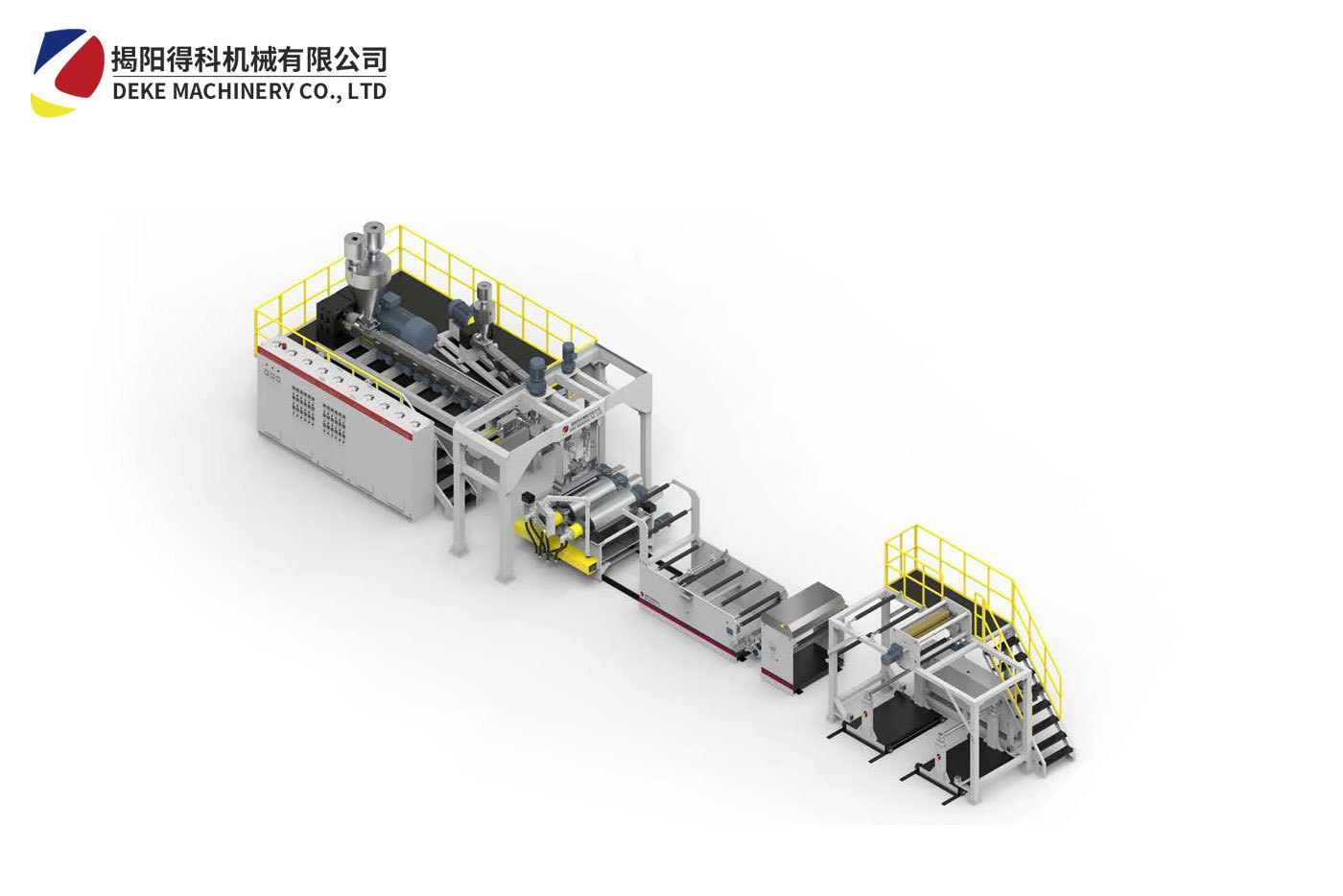
Maximizing Output: How Conical Extruders Enhance Manufacturing Efficiency
Introduction to Conical Extruders
In the world of plastic processing, **conical extruders** stand out as pivotal technologies that significantly enhance manufacturing efficiency. Unlike traditional extruders, conical extruders utilize a unique design that promotes better mixing and homogenization of materials. This results in higher output rates, improved product quality, and reduced energy consumption.
As we delve deeper into the functionalities and benefits of conical extruders, it becomes evident that these machines are not just tools but vital assets in the manufacturing landscape.
Understanding the Mechanics of Conical Extruders
What Are Conical Extruders?
Conical extruders are specialized machines used in the plastic manufacturing industry. Their design features a **conical screw**, which is essential for effective plastic processing. This conical shape allows for a gradual reduction of material volume, ensuring that the polymers are continuously mixed and melted uniformly.
Key Components of Conical Extruders
To appreciate the efficiency of conical extruders, it is important to understand their core components:
1. **Feed Zone**: This is where raw materials enter the extruder. The conical shape allows for a better feed rate and more efficient material handling.
2. **Compression Zone**: In this section, the material is compressed and heated, facilitating better melting and mixing processes.
3. **Metallurgical Zone**: This area maintains the necessary temperature and pressure to ensure that the material reaches the desired viscosity before being extruded.
4. **Die**: The die is the final element that shapes the extruded product. Conical extruders can accommodate various die designs for different applications.
How Conical Extruders Operate
The operation of a conical extruder involves a series of precise steps. Initially, the feed zone introduces raw plastic materials, which are then gradually pushed through the compression zone. As the material moves along the conical screw, heat is applied, transforming the solid polymers into a viscous liquid. The consistent pressure and temperature control ensure that the material is ready for shaping as it exits through the die.
Benefits of Using Conical Extruders in Manufacturing
1. Enhanced Material Mixing
One of the primary advantages of conical extruders is their ability to mix materials effectively. The design promotes uniform distribution of additives, colorants, and other components, leading to **homogeneous products**. This level of mixing is crucial for industries requiring high precision and quality.
2. Increased Production Efficiency
Conical extruders are known for their high output rates. By maintaining continuous processing, these machines minimize downtime and maximize production. Manufacturers can produce larger volumes of products in shorter timeframes without compromising quality.
3. Energy Efficiency
The innovative design of conical extruders not only increases output but also reduces energy consumption. The efficient melting and mixing processes require less energy, contributing to lower operational costs and a smaller environmental footprint.
4. Flexibility and Versatility
Conical extruders can handle a wide variety of materials, including thermoplastics and thermosets, making them versatile tools in the manufacturing process. They can be adapted for different applications, such as film production, pipe extrusion, and profile manufacturing.
5. Reduced Maintenance Requirements
With fewer moving parts compared to traditional extruders, conical extruders often require less maintenance. This reliability further enhances productivity as manufacturers spend less time on repairs and more time on production.
Applications of Conical Extruders
1. Plastic Film Production
Conical extruders excel in producing plastic films, where uniform thickness and material properties are essential. Their ability to mix materials precisely ensures that the final product meets industry standards for quality and performance.
2. Pipe and Profile Extrusion
In the production of pipes and profiles, conical extruders deliver consistent dimensions and surface finishes. The improved mixing leads to better mechanical properties, essential for applications in construction and plumbing.
3. Compounding and Masterbatch Production
Conical extruders are ideal for compounding, where various materials are blended to create masterbatches. Their efficient mixing ensures that additives are dispersed evenly, resulting in high-quality masterbatches ready for further processing.
Best Practices for Maximizing Output with Conical Extruders
1. Material Selection
Choosing the right materials is critical for achieving optimal results with conical extruders. Consider the properties of the polymers, additives, and any fillers when designing your production process.
2. Optimizing Processing Conditions
Carefully monitor and adjust processing parameters such as temperature, pressure, and screw speed. Fine-tuning these conditions can significantly enhance product quality and output rate.
3. Regular Maintenance and Calibration
Implement a routine maintenance schedule to ensure that your conical extruder operates at peak efficiency. Regularly calibrate the machine to maintain accuracy and prevent unexpected breakdowns.
Challenges and Solutions in Using Conical Extruders
1. Material Degradation
One of the common challenges faced by manufacturers using conical extruders is material degradation due to excessive heat or shear. To mitigate this, it is vital to monitor temperatures closely and adjust processing speeds as needed.
2. Design Limitations
While conical extruders are versatile, they may not be suitable for all materials. Understanding the limitations of the machine and selecting appropriate applications can help overcome this challenge.
Future Trends in Conical Extruder Technology
1. Automation and Industry 4.0
The integration of automation in conical extruder systems is a growing trend. Smart technologies are encouraging real-time monitoring and adjustments, enhancing efficiency and product quality.
2. Sustainable Practices
As the industry moves towards sustainability, conical extruders are being designed with eco-friendly features. This includes the ability to process recycled materials, reducing waste and energy consumption.
Frequently Asked Questions (FAQs)
1. What is the main advantage of using a conical extruder over a traditional extruder?
The main advantage is enhanced mixing and homogenization, leading to higher output rates and improved product quality.
2. Can conical extruders handle different types of plastics?
Yes, conical extruders are capable of processing a wide variety of thermoplastics and thermosets.
3. How can I improve the efficiency of my conical extruder?
By optimizing processing conditions, selecting appropriate materials, and conducting regular maintenance, you can significantly enhance the efficiency of your conical extruder.
4. What industries benefit most from conical extruders?
Industries such as packaging, construction, automotive, and consumer goods extensively benefit from the use of conical extruders.
5. Are conical extruders more environmentally friendly than traditional extruders?
Yes, they typically consume less energy and can process recycled materials, making them a more environmentally friendly option.
Conclusion
Conical extruders are revolutionizing the manufacturing landscape by maximizing output and enhancing efficiency. With their superior design, these machines offer unparalleled benefits in material mixing, energy consumption, and versatility. By understanding their mechanics, applications, and best practices, manufacturers can leverage conical extruders to achieve exceptional results. As we look to the future, the integration of automation and sustainable practices will only further solidify the role of conical extruders as indispensable tools in the plastic processing industry. Investing in this technology not only boosts productivity but also positions companies as leaders in an increasingly competitive market.
RELATED INFORMATION

Why Choose Conical Twin Screw for Your Next Extrusion Project?
Why Choose Conical Twin Screw for Your Next Extrusion Project? Understanding Extrusion Technology In the realm of **plastic processing**, extrusion is an essential manufacturing technique that transforms raw plastic materials into usable products. The **extrusion process** involves forcing molten plastic through a die to create continuous shapes like sheets, films, and profiles. With advancements
Understanding the Advantages of Counter Rotating Twin Screw Extruders for Plastic Processing
Counter rotating twin screw extruders are pivotal in the plastic processing industry, recognized for their versatility and efficiency. Unlike single screw extruders, twin screw extruders feature two intermeshing screws that rotate in opposite directions. This design allows for enhanced material handling and processing capabilities, making them suitable for a wide array of applications. One of the

Website

Copyright©Jieyang Deke Machinery Co., Ltd.