
The Science Behind Counter Rotating Twin Screw Extruders and Their Impact on Production
2025-10
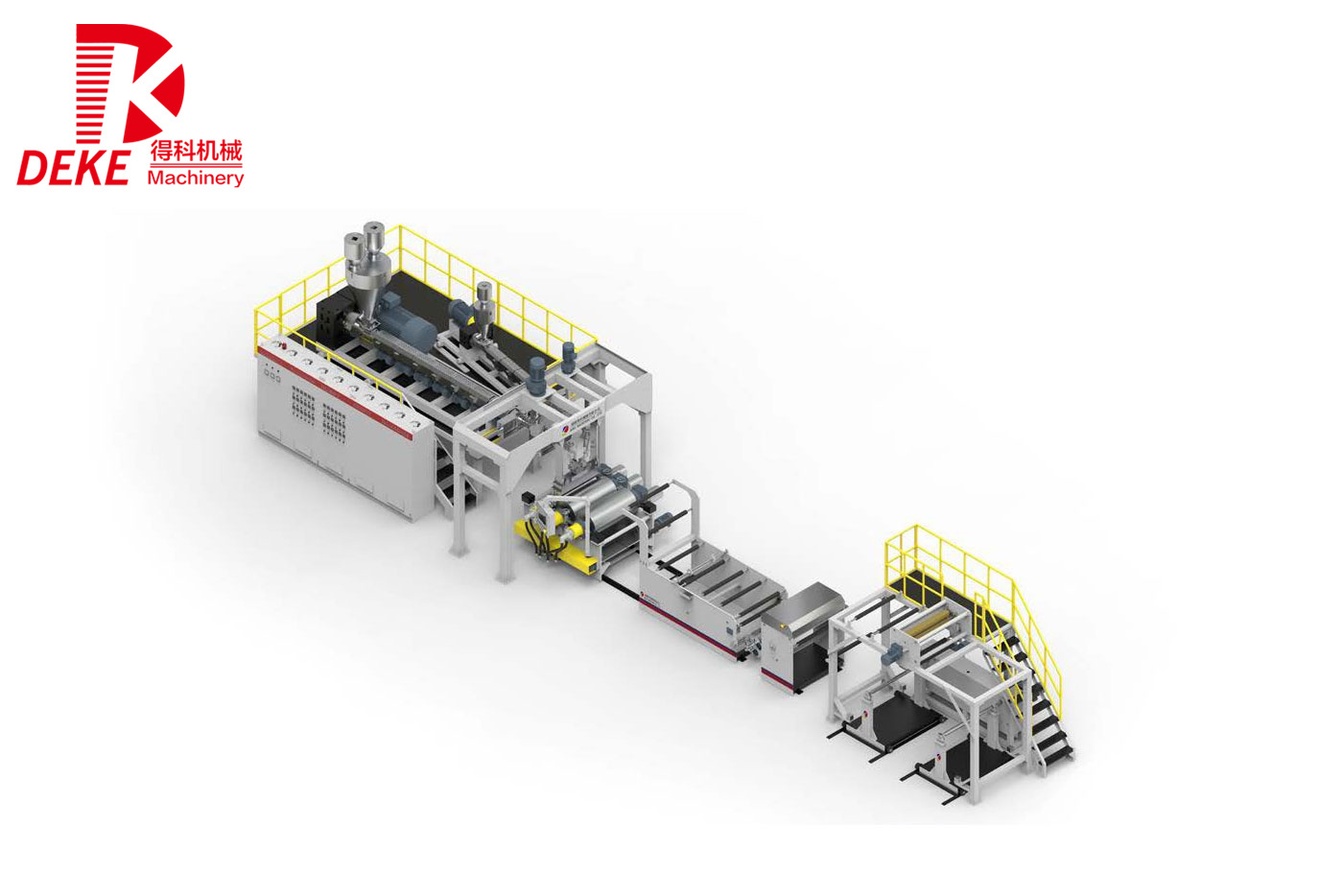
The Science Behind Counter Rotating Twin Screw Extruders and Their Impact on Production
Table of Contents
- Understanding Twin Screw Extruders
- The Mechanics of Counter Rotation
- Key Design Elements and Features
- Advantages of Counter Rotating Twin Screw Extruders
- Processes Utilizing Twin Screw Extruders
- Impact on Production Efficiency and Quality
- Common Applications of Counter Rotating Twin Screw Extruders
- Future Trends in Extrusion Technology
- Conclusion
- Frequently Asked Questions
Understanding Twin Screw Extruders
Counter rotating twin screw extruders are sophisticated machines designed for the processing of plastics and other materials. These devices feature two intermeshing screws that rotate in opposite directions, facilitating the effective mixing, melting, and shaping of raw materials.
The fundamental principle behind twin screw extrusion lies in the **concurrent movement** of the screws, which enhances material transport, mixing, and homogenization. As the screws rotate, they create a highly efficient flow pattern that significantly increases the **surface area exposure** of the material, leading to improved thermal and mechanical processing.
The Mechanics of Counter Rotation
The unique counter-rotating mechanism sets twin screw extruders apart from other extrusion technologies. With one screw rotating clockwise and the other counterclockwise, the materials undergo continuous shear, which is essential for achieving the desired consistency and quality.
This configuration allows for **higher shear rates** and improved material distribution within the extruder barrel. The counter-rotation also helps to break down polymer chains more effectively, which is crucial when working with high-viscosity materials. Moreover, this process enables better **venting capabilities**, allowing for the removal of volatile substances and moisture, further enhancing product quality.
Operational Efficiency through Counter Rotation
The operational efficiency of counter rotating twin screw extruders is a direct consequence of their design. The **intermeshing screw design** creates a pumping action that maximizes material throughput. The ability to fine-tune the speed and torque of each screw further enhances process adaptability, making it suitable for various materials and applications.
Key Design Elements and Features
To understand the performance of counter rotating twin screw extruders, we must explore their key design elements. The following features play a critical role in their effectiveness:
1. Screw Geometry
The geometry of the screws, including their pitch, diameter, and flight design, determines how materials are conveyed, mixed, and melted. The **specific design** can be customized depending on the characteristics of the material being processed.
2. Barrel Configuration
The barrel housing the screws can have multiple zones, each with different temperature controls. This zoned heating allows for **precise temperature management**, crucial for processing temperature-sensitive materials.
3. Feed System
Optimized feed systems, whether using gravimetric or volumetric feeders, ensure consistent and controlled material input into the extruder. Proper feeding is vital for maintaining a steady production flow and achieving uniform product quality.
Advantages of Counter Rotating Twin Screw Extruders
Counter rotating twin screw extruders offer numerous advantages over single screw models and even other twin screw designs. Some of the most significant benefits include:
1. Enhanced Mixing and Homogenization
The counter-rotating action produces a more thorough mixing of materials, resulting in a **uniform product** quality. This is particularly important in applications requiring precise material properties.
2. Increased Throughput
Thanks to their ability to handle high-viscosity materials and the effective pumping action, counter rotating twin screw extruders can achieve **higher production rates** compared to other extrusion methods.
3. Greater Flexibility
These extruders can process a wide range of materials, including thermoplastics, thermosets, and composites. Their flexibility makes them ideal for various applications, from packaging to automotive parts.
4. Improved Thermal Management
The multiple heating zones within the extruder barrel allow for **precise temperature control**, which is critical when working with heat-sensitive materials. This capability minimizes the risk of degradation and ensures optimal processing conditions.
5. Efficient Venting
The design of counter rotating twin screw extruders facilitates effective venting of gases and moisture. This is crucial for applications where the removal of volatiles is necessary to maintain product integrity.
Processes Utilizing Twin Screw Extruders
Counter rotating twin screw extruders are versatile machines utilized in various manufacturing processes. Some of the key processes include:
1. Compounding
In compounding applications, multiple materials, such as additives, fillers, and pigments, are blended to produce new material compositions. The efficient mixing capabilities of counter rotating twin screw extruders make them ideal for this process.
2. Pelletizing
After extrusion, materials may need to be cut into pellets for easier handling and processing. Twin screw extruders can integrate pelletizing systems that produce uniform pellets with minimal degradation.
3. Reactive Extrusion
This process involves chemical reactions occurring during extrusion. Counter rotating twin screw extruders provide the necessary shear and mixing conditions to facilitate these reactions effectively.
4. Blending and Masterbatch Production
Masterbatches are concentrated mixtures of additives or colorants used in plastic processing. Twin screw extruders excel at producing consistent and homogeneous masterbatches due to their superior mixing capabilities.
Impact on Production Efficiency and Quality
The efficiency and quality of production processes are paramount in the manufacturing industry. Counter rotating twin screw extruders significantly enhance both aspects:
1. Reduced Processing Times
With improved mixing, melting, and shaping capabilities, these extruders can reduce overall processing times, allowing manufacturers to increase output without compromising product quality.
2. Enhanced Product Consistency
The thorough mixing and uniform heating contribute to consistent product quality. This reliability is crucial for industries where material properties must meet stringent specifications.
3. Lower Energy Consumption
Thanks to their efficient design and operational capabilities, counter rotating twin screw extruders can achieve significant energy savings. Reduced energy consumption lowers production costs and contributes to more sustainable manufacturing practices.
Common Applications of Counter Rotating Twin Screw Extruders
Counter rotating twin screw extruders are utilized in a wide range of applications across various industries:
1. Plastics Manufacturing
These extruders are commonly used in plastics manufacturing for producing films, sheets, and profiles. Their ability to process different materials makes them essential for the industry.
2. Food Industry
In the food industry, twin screw extruders are employed for processing snacks, cereals, and other food products. They enable efficient mixing and cooking, resulting in high-quality food items.
3. Pharmaceuticals
Pharmaceutical applications benefit from the precise handling of active ingredients and excipients in twin screw extruders, ensuring the uniformity and bioavailability of final products.
4. Recycling
In recycling processes, counter rotating twin screw extruders play a vital role in reprocessing waste materials into usable products, supporting sustainability efforts.
Future Trends in Extrusion Technology
The field of extrusion technology is continuously evolving, with several trends shaping the future of counter rotating twin screw extruders:
1. Increased Automation
The integration of automation and smart technologies is on the rise. Automation enhances precision and allows for real-time monitoring of production processes, leading to improved efficiency.
2. Sustainable Practices
As sustainability becomes a priority, manufacturers are adopting eco-friendly practices, such as utilizing recycled materials and optimizing energy consumption in extrusion processes.
3. Advanced Materials Processing
The demand for new and advanced materials, such as bioplastics and composites, is increasing. Counter rotating twin screw extruders will continue to adapt to accommodate these materials, enhancing their capabilities.
4. Customization and Flexibility
The need for customized products is driving the development of more flexible and adaptable extrusion technologies, ensuring manufacturers can meet diverse market demands.
Conclusion
Counter rotating twin screw extruders represent a significant advancement in the field of plastic processing technology. Their unique design and operational capabilities enhance mixing, melting, and shaping, leading to improved production efficiency and product quality. As manufacturing processes continue to evolve, these extruders will play a pivotal role in shaping the future of plastic processing and other industries.
Frequently Asked Questions
1. What materials can be processed using counter rotating twin screw extruders?
Counter rotating twin screw extruders can process a wide variety of materials, including thermoplastics, thermosets, composites, and even some food products.
2. How do counter rotating twin screw extruders improve product quality?
Their effective mixing and precise temperature control contribute to uniformity in material properties, reducing variability and enhancing overall product quality.
3. What is the typical throughput of a counter rotating twin screw extruder?
Throughput can vary widely based on the specific machine and material being processed, but counter rotating twin screw extruders are known for their ability to achieve high production rates.
4. Are counter rotating twin screw extruders energy-efficient?
Yes, these extruders can achieve significant energy savings due to their efficient design and operational capabilities, reducing overall production costs.
5. What industries benefit from counter rotating twin screw extruders?
Counter rotating twin screw extruders are utilized across various industries, including plastics, food, pharmaceuticals, and recycling, owing to their versatility and efficiency.
Previous Page:
RELATED INFORMATION

Why Choose Conical Twin Screw for Your Next Extrusion Project?
Why Choose Conical Twin Screw for Your Next Extrusion Project? Understanding Extrusion Technology In the realm of **plastic processing**, extrusion is an essential manufacturing technique that transforms raw plastic materials into usable products. The **extrusion process** involves forcing molten plastic through a die to create continuous shapes like sheets, films, and profiles. With advancements
Understanding the Advantages of Counter Rotating Twin Screw Extruders for Plastic Processing
Counter rotating twin screw extruders are pivotal in the plastic processing industry, recognized for their versatility and efficiency. Unlike single screw extruders, twin screw extruders feature two intermeshing screws that rotate in opposite directions. This design allows for enhanced material handling and processing capabilities, making them suitable for a wide array of applications. One of the

Website

Copyright©Jieyang Deke Machinery Co., Ltd.