
Innovations in PET Sheet Extruder Design: What’s New in the Market?
2025-10
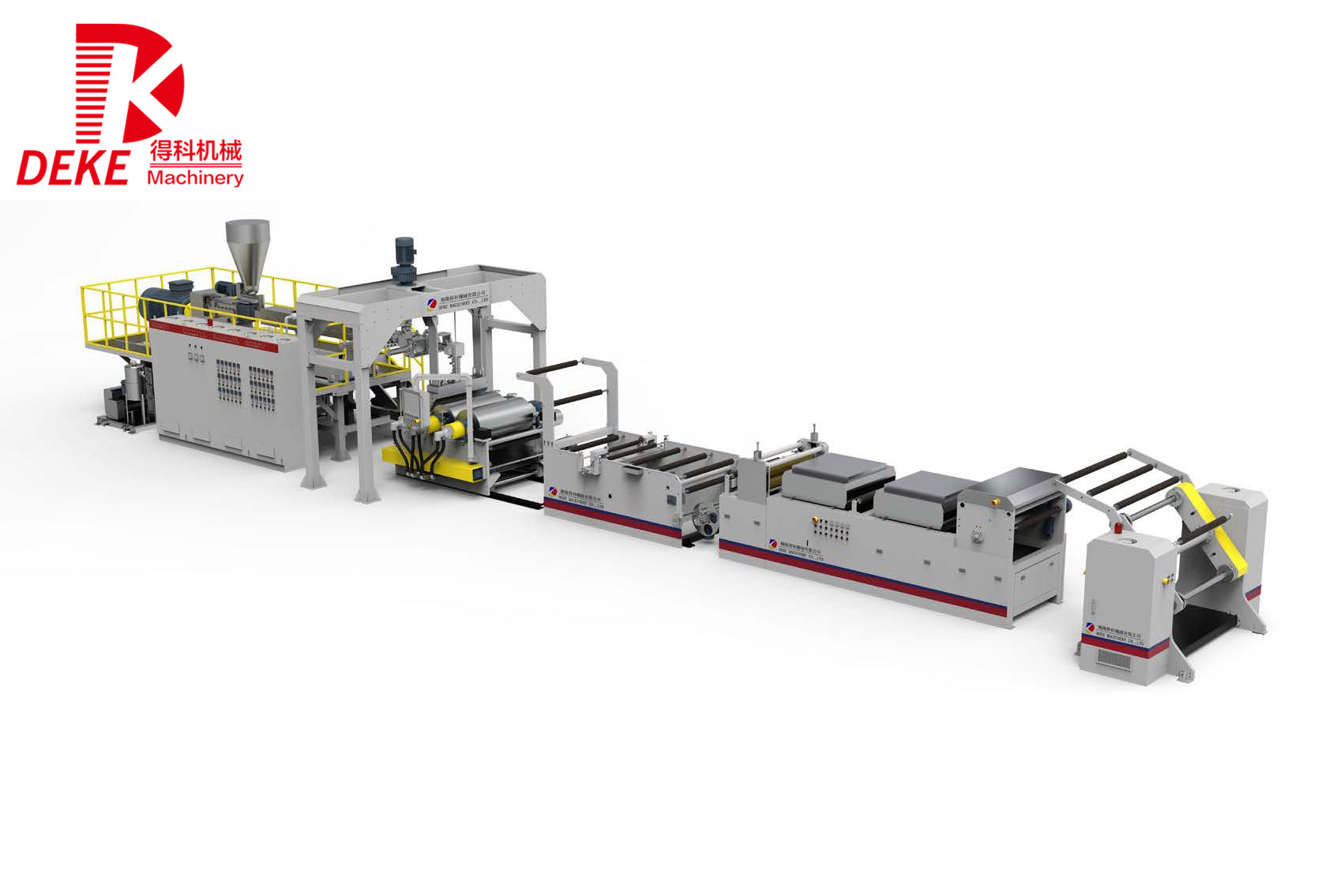
Innovations in PET Sheet Extruder Design: What’s New in the Market?
Table of Contents
1. Introduction to PET Sheet Extrusion
2. The Evolution of PET Sheet Extruders
3. Key Innovations in PET Sheet Extruder Design
3.1 Advanced Heating Technologies
3.2 Enhanced Control Systems
3.3 Energy Efficiency Improvements
3.4 New Material Compatibility
3.5 Automation and Smart Technologies
4. Sustainability in PET Sheet Extrusion
5. Market Trends Driving Innovation
6. Case Studies: Successful Implementations of New Extruder Designs
7. FAQs About PET Sheet Extruder Innovations
8. Conclusion
1. Introduction to PET Sheet Extrusion
Polyethylene Terephthalate (PET) has emerged as a preferred material in various industries, particularly in the production of sheets and films. The **PET sheet extrusion** process is essential for converting raw PET pellets into functional sheets used in packaging, signage, and other applications. Understanding the **innovations in PET sheet extruder design** not only highlights industry advancements but also showcases how these innovations can optimize production efficiency and product quality.
2. The Evolution of PET Sheet Extruders
The design of PET sheet extruders has undergone significant transformations over the past decades. From the introduction of single-screw extruders to the latest multi-screw designs, each evolution has aimed to enhance performance, flexibility, and energy efficiency. Early models were primarily focused on quantity, but today's innovations emphasize quality, sustainability, and adaptability to varied production needs.
3. Key Innovations in PET Sheet Extruder Design
The market is witnessing several groundbreaking innovations in PET sheet extruder design that are poised to redefine production methodologies. These innovations encompass advanced technologies, innovative materials, and smarter automation processes.
3.1 Advanced Heating Technologies
One of the most significant advancements in extruder design is the introduction of **advanced heating technologies**. Traditional extruders relied on conventional heating methods, which often resulted in uneven temperature distribution and energy wastage. Modern PET sheet extruders now incorporate **infrared heaters** and **induction heating systems**, providing precise temperature control. This leads to improved melt quality and reduced energy consumption, ultimately enhancing the overall output.
3.2 Enhanced Control Systems
The integration of enhanced control systems in PET sheet extruders has revolutionized the manufacturing process. **PLC (Programmable Logic Controller)** systems and **sensor technologies** facilitate real-time monitoring and adjustments, ensuring consistent product quality. These systems allow operators to maintain optimal processing conditions, reducing defects and enhancing efficiency. The transition from manual to automated controls marks a significant leap toward future-ready manufacturing.
3.3 Energy Efficiency Improvements
With growing concerns over environmental sustainability, energy efficiency remains a top priority. New PET sheet extruders are designed to operate with lower energy requirements. Innovations such as **high-efficiency drives** and **regenerative braking systems** not only reduce energy usage but also lower operational costs. Manufacturers are now able to produce high-quality sheets while minimizing their carbon footprint.
3.4 New Material Compatibility
The latest PET sheet extruder designs are not limited to traditional PET materials. They are engineered to process a wider range of polymers, including recycled PET (rPET) and bio-based plastics. This **increased material compatibility** allows manufacturers to diversify their product offerings and contribute to the circular economy. As the demand for sustainable materials rises, this flexibility positions PET sheet extruders as crucial players in the evolving market landscape.
3.5 Automation and Smart Technologies
The rise of Industry 4.0 has led to the implementation of **automation** and **smart technologies** in PET sheet extrusion. Automated feeding systems, real-time data analytics, and predictive maintenance capabilities enhance operational efficiency. Smart extruders can self-optimize based on historical data, leading to reduced downtime and improved production consistency. This shift towards automation significantly influences the future of the manufacturing process.
4. Sustainability in PET Sheet Extrusion
Sustainability is at the forefront of innovation in the PET sheet extrusion industry. As global regulations tighten and consumer preferences shift toward eco-friendly products, manufacturers are increasingly adopting sustainable practices. Innovations such as **closed-loop systems** for recycling waste, energy-efficient processes, and the incorporation of biodegradable materials reflect a commitment to sustainability. The new extruder designs not only adhere to these principles but also promote them actively within the production cycle.
5. Market Trends Driving Innovation
Several market trends are influencing innovations in PET sheet extruder design. The growing demand for lightweight, durable packaging solutions drives the need for more advanced extrusion technologies. Additionally, the increase in environmental consciousness among consumers has necessitated a shift toward sustainable manufacturing practices. These trends compel manufacturers to invest in innovations that enhance product performance while minimizing environmental impact.
6. Case Studies: Successful Implementations of New Extruder Designs
Many companies have successfully adopted innovative PET sheet extruder designs, leading to remarkable improvements in their production capabilities. For example, a leading packaging manufacturer implemented a new multi-screw extruder that allowed them to incorporate up to 50% recycled content in their sheets without sacrificing quality. Another instance involves a company utilizing automation technologies that achieved a 30% increase in production efficiency while reducing energy consumption by 20%. These case studies exemplify the tangible benefits of embracing innovation in PET sheet extrusion.
7. FAQs About PET Sheet Extruder Innovations
What is a PET sheet extruder?
A PET sheet extruder is a machine used to melt and form polyethylene terephthalate into flat sheets for various applications, including packaging and signage.
How do advanced heating technologies improve PET sheet extrusion?
Advanced heating technologies provide better temperature control, leading to improved melt quality and reduced energy consumption during the extrusion process.
What materials can modern PET sheet extruders process?
Modern PET sheet extruders can process a variety of materials, including conventional PET, recycled PET (rPET), and other bio-based plastics.
What role do automation and smart technologies play in PET sheet extrusion?
Automation and smart technologies enhance operational efficiency, allowing for real-time monitoring, predictive maintenance, and self-optimizing processes.
How are companies ensuring sustainability in PET sheet extrusion?
Companies are adopting closed-loop recycling systems, energy-efficient processes, and using biodegradable materials to promote sustainability in PET sheet extrusion.
8. Conclusion
The innovations in PET sheet extruder design are significantly reshaping the landscape of plastic manufacturing. From advanced heating technologies to enhanced control systems, the latest developments are focused on increasing efficiency, quality, and sustainability. As the market continues to evolve, these innovations will play a crucial role in meeting the changing demands of consumers and regulatory standards. Embracing these advancements will not only improve production processes but also contribute to a more sustainable future for the industry. The future of PET sheet extrusion is bright, and staying informed about these innovations is essential for manufacturers aiming to remain competitive in the market.
RELATED INFORMATION

Why Choose Conical Twin Screw for Your Next Extrusion Project?
Why Choose Conical Twin Screw for Your Next Extrusion Project? Understanding Extrusion Technology In the realm of **plastic processing**, extrusion is an essential manufacturing technique that transforms raw plastic materials into usable products. The **extrusion process** involves forcing molten plastic through a die to create continuous shapes like sheets, films, and profiles. With advancements
Understanding the Advantages of Counter Rotating Twin Screw Extruders for Plastic Processing
Counter rotating twin screw extruders are pivotal in the plastic processing industry, recognized for their versatility and efficiency. Unlike single screw extruders, twin screw extruders feature two intermeshing screws that rotate in opposite directions. This design allows for enhanced material handling and processing capabilities, making them suitable for a wide array of applications. One of the

Website

Copyright©Jieyang Deke Machinery Co., Ltd.