
The Impact of Twin Screw Extruder Design on Material Processing Efficiency: Enhancing Performance Through Innovative Engineering
2025-10
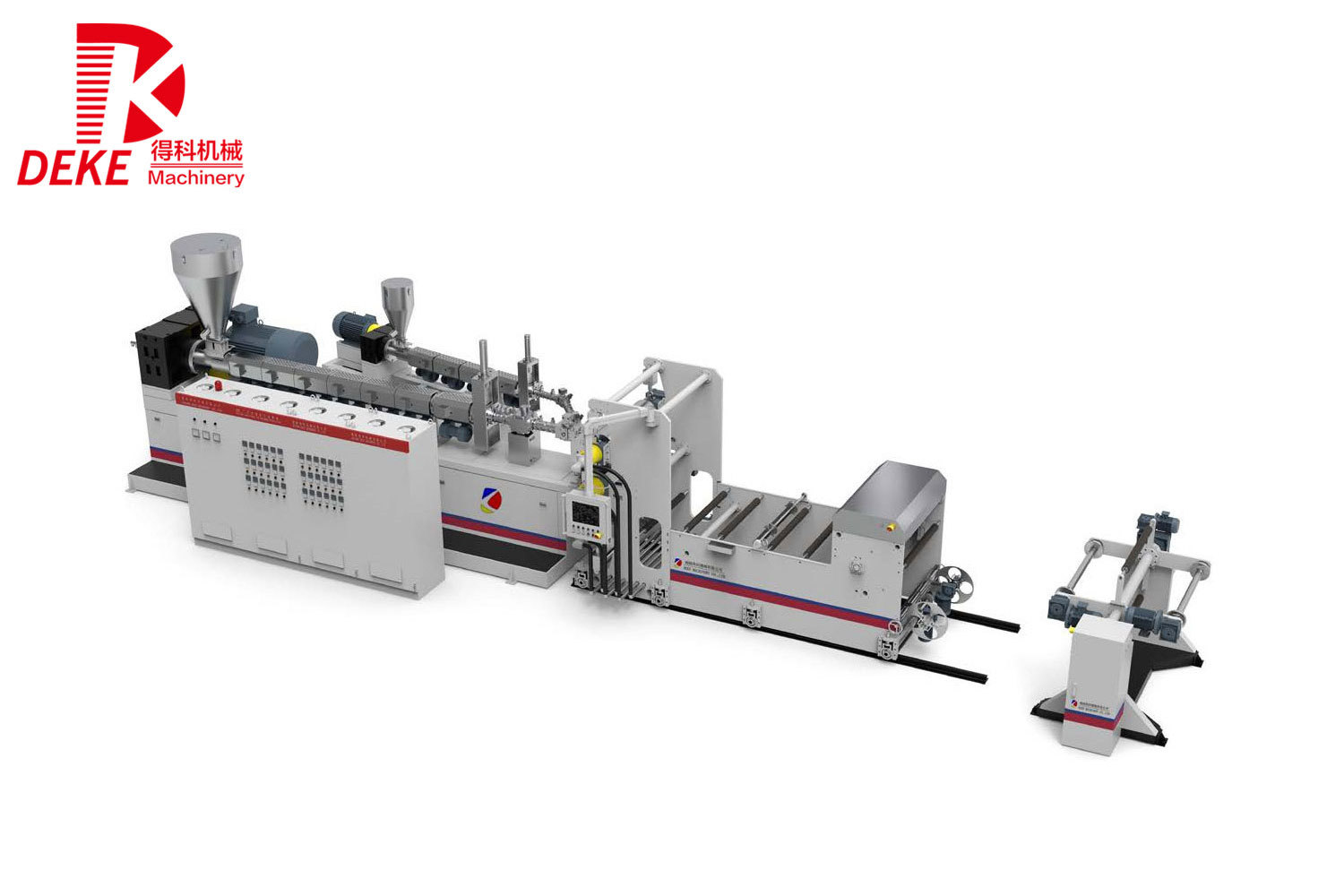
The Impact of Twin Screw Extruder Design on Material Processing Efficiency
Introduction to Twin Screw Extruders and Their Importance
Twin screw extruders are vital in the plastic processing industry, serving to mold and shape thermoplastic and thermosetting materials. The efficiency of these machines significantly impacts production throughput, product quality, and energy consumption. Understanding how twin screw extruder design influences material processing can lead to improved performance and reduced costs.
Understanding Twin Screw Extruder Design
The Basics of Twin Screw Extruders
Twin screw extruders consist of two intermeshing screws rotating within a barrel. The design allows for effective mixing, compounding, and pumping of materials, making them ideal for a range of applications, including the production of plastics, food, and pharmaceuticals. The complexity of their design directly relates to their processing efficiency.
Key Design Elements Affecting Efficiency
Several critical design elements contribute to the overall efficiency of twin screw extruders:
1. **Screw Configuration**: The arrangement and geometry of the screws can significantly impact material flow behavior.
2. **Barrel Design**: The barrel's material and configuration can affect heat distribution and material processing.
3. **Temperature Control Mechanisms**: Effective temperature management is crucial for maintaining the desired material properties.
4. **Feeding System**: The design of the feeding system can influence the quality and consistency of the input materials.
The Role of Screw Configuration in Processing Efficiency
Types of Screw Elements
Different screw elements serve specific functions in material processing. These include:
- **Transport Elements**: Move the material through the extruder.
- **Mixing Elements**: Improve homogeneity by thoroughly mixing different components.
- **Pump Elements**: Enhance material conveyance and maintain pressure.
Choosing the right combination of screw elements can optimize material flow characteristics and processing efficiency.
Effects of Screw Geometry on Material Flow
The geometry of the screw, including its pitch, depth, and flight width, determines how the material behaves during processing. A well-designed screw can minimize shear forces, reduce energy consumption, and improve mixing efficiency. Adjusting these parameters allows manufacturers to tailor the extruder to specific material characteristics.
Barrel Design: A Crucial Factor in Efficiency
Material Selection for Barrels
The choice of materials for the barrel construction is critical for thermal conductivity and wear resistance. Common materials include:
- **Stainless Steel**: Offers durability and corrosion resistance.
- **Hardened Steel**: Enhances wear resistance for abrasive materials.
- **Coated Barrels**: Provide additional protection and reduce friction.
Selecting the appropriate barrel material can significantly affect the efficiency and longevity of the extruder.
Barrel Configuration and Its Impact on Temperature Control
The configuration of the barrel, including its length and diameter, influences heat transfer and residence time of the material. Effective temperature control is essential for achieving the desired material properties. Additional cooling or heating zones can be integrated into the barrel design to optimize temperature management throughout the processing cycle.
Temperature Control Mechanisms in Twin Screw Extruders
Importance of Temperature Control in Material Processing
Temperature plays a crucial role in the processing of thermoplastics. Maintaining the optimal temperature is essential for achieving desired material properties such as viscosity, flowability, and mechanical strength. Variations in temperature can lead to material degradation, inconsistent product quality, and increased energy costs.
Strategies for Effective Temperature Management
Some effective strategies for temperature control include:
- **Zone Heating/Cooling**: Implementing multiple heating/cooling zones allows for precise temperature management along the barrel length.
- **Real-time Monitoring**: Utilizing advanced temperature sensors and control systems enables manufacturers to monitor and adjust temperatures dynamically.
- **Insulation**: Effective insulation reduces heat loss and maintains optimal processing temperatures.
Material Compatibility and Its Impact on Processing Efficiency
Selecting the Right Materials for Processing
The compatibility of materials with the extruder design significantly impacts processing efficiency. It is essential to consider the following factors:
- **Viscosity**: Different materials have varying flow characteristics, which can affect how they move through the extruder.
- **Thermal Stability**: Materials with low thermal stability may degrade under high temperatures, affecting product quality.
- **Additive Compatibility**: Ensuring that additives (e.g., colorants, fillers) are compatible with the base material is crucial for maintaining processing efficiency.
Testing and Adjusting Material Compatibility
Before full-scale production, testing various material combinations and their behavior in the extruder can provide valuable insights. Conducting trials will help identify the best configurations and processing parameters for different materials, ultimately enhancing efficiency.
Real-world Applications and Success Stories
Case Study: Improving Efficiency in PVC Processing
In a notable case, a manufacturer of PVC products redesigned their twin screw extruder to optimize screw configuration and barrel design, resulting in a 25% increase in throughput. By implementing better temperature control mechanisms and adjusting material feed rates, they significantly reduced energy consumption and improved product quality, demonstrating the profound impact of design modifications on processing efficiency.
Innovations in Twin Screw Extruder Technology
The industry is witnessing innovations in twin screw extruder technology, such as:
- **Smart Extruders**: Equipped with AI-driven sensors that optimize processing conditions in real time.
- **Modular Designs**: Allowing manufacturers to customize screw configurations and barrel lengths according to specific production needs.
These innovations highlight the ongoing evolution of twin screw extruder design and its impact on efficiency.
Challenges in Twin Screw Extruder Design and Operation
Identifying Common Operational Challenges
Despite advancements, several operational challenges persist in the use of twin screw extruders, including:
- **Material Degradation**: Improper temperature control can lead to material breakdown, affecting product quality.
- **Inefficient Mixing**: Poor mixing can result in non-homogeneous products, reducing overall efficiency.
- **Energy Consumption**: High energy usage can be a significant cost factor in production, necessitating design improvements.
Strategies to Overcome Operational Challenges
To mitigate these challenges, manufacturers can:
- Invest in better training for operators to ensure optimal machine use.
- Regularly conduct maintenance checks to ensure equipment is functioning correctly.
- Implement advancements in technology that improve monitoring and control systems.
Conclusion: The Future of Twin Screw Extruder Design
The design of twin screw extruders plays a pivotal role in enhancing material processing efficiency. By focusing on screw configuration, barrel design, temperature control, and material compatibility, manufacturers can significantly improve production outcomes. As technological advancements continue to reshape the industry, staying informed about innovative designs and their impact on efficiency will be crucial for gaining a competitive edge in the plastic processing market. Investing in research and development will not only enhance processing capabilities but also ensure sustainability and long-term profitability.
FAQs
1. What is the primary function of a twin screw extruder?
The primary function of a twin screw extruder is to process thermoplastic materials by melting, mixing, and shaping them into desired forms.
2. How does screw configuration impact processing efficiency?
Screw configuration affects material flow, mixing efficiency, and energy consumption. An optimized configuration can significantly enhance overall performance.
3. What are the benefits of effective temperature control in extruders?
Effective temperature control ensures optimal material properties, prevents degradation, and maintains product quality, ultimately improving processing efficiency.
4. What types of materials can be processed with twin screw extruders?
Twin screw extruders can process a wide variety of materials, including thermoplastics, thermosetting plastics, and various additives.
5. How can manufacturers overcome challenges in extruder operation?
Manufacturers can overcome challenges through regular maintenance, operator training, and adopting advanced technologies to enhance monitoring and control.
Previous Page:
RELATED INFORMATION

Why Choose Conical Twin Screw for Your Next Extrusion Project?
Why Choose Conical Twin Screw for Your Next Extrusion Project? Understanding Extrusion Technology In the realm of **plastic processing**, extrusion is an essential manufacturing technique that transforms raw plastic materials into usable products. The **extrusion process** involves forcing molten plastic through a die to create continuous shapes like sheets, films, and profiles. With advancements
Understanding the Advantages of Counter Rotating Twin Screw Extruders for Plastic Processing
Counter rotating twin screw extruders are pivotal in the plastic processing industry, recognized for their versatility and efficiency. Unlike single screw extruders, twin screw extruders feature two intermeshing screws that rotate in opposite directions. This design allows for enhanced material handling and processing capabilities, making them suitable for a wide array of applications. One of the

Website

Copyright©Jieyang Deke Machinery Co., Ltd.