
The Pivotal Role of PET Twin Screw Extruders in Advancing Polymer Processing Techniques
2025-10
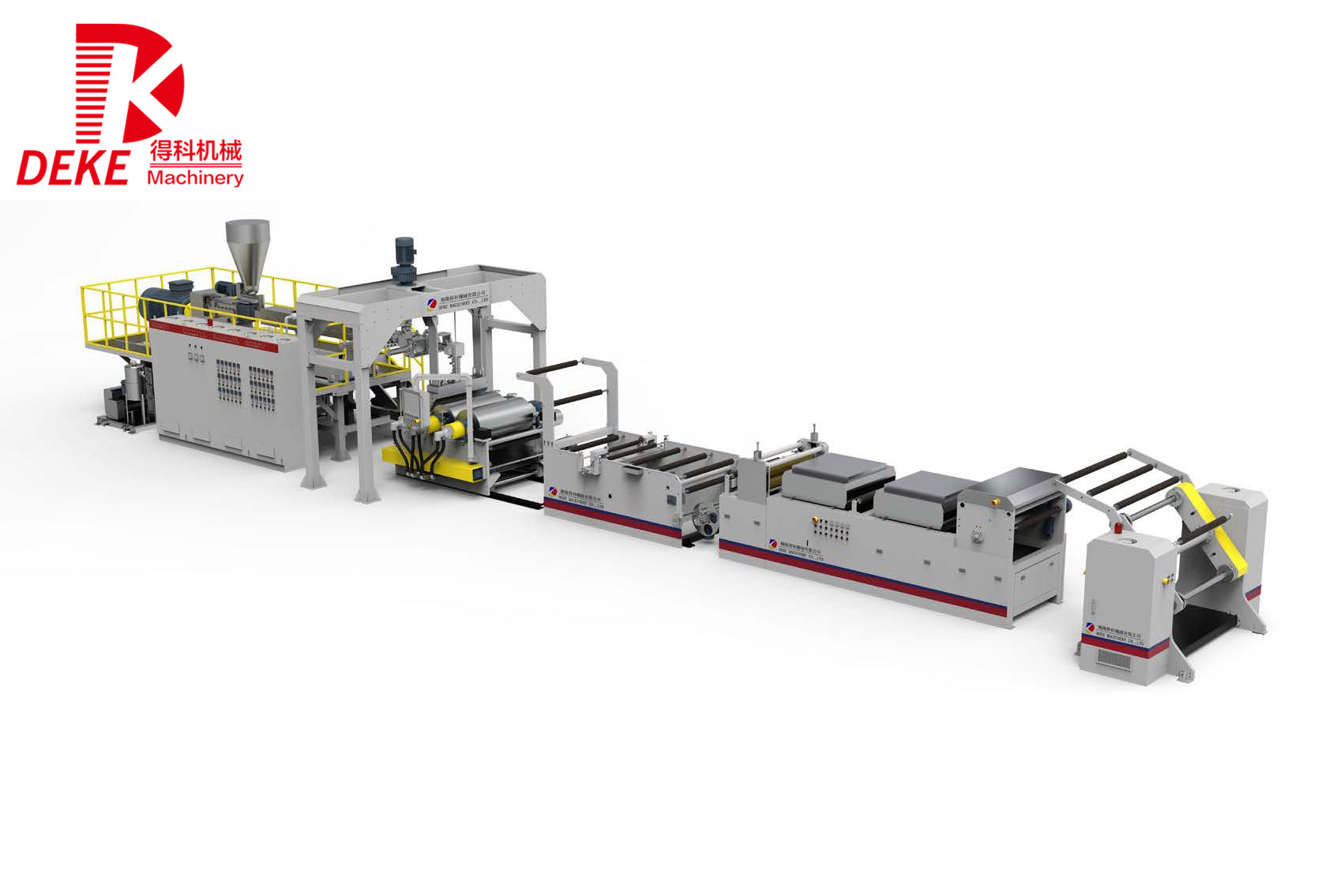
The Pivotal Role of PET Twin Screw Extruders in Advancing Polymer Processing Techniques
In the ever-evolving landscape of polymer processing, PET twin screw extruders stand out as a transformative force. These sophisticated machines are designed not only for extrusion but also for enhancing the overall quality and efficiency of polymer processing. Understanding their role can significantly impact production processes across various industries, including packaging, automotive, and consumer goods. This article will delve deep into the mechanics, benefits, applications, and future trends associated with PET twin screw extruders, providing a comprehensive overview for manufacturers, engineers, and industry enthusiasts alike.
Table of Contents
- 1. Introduction to PET Twin Screw Extruders
- 2. Mechanics of PET Twin Screw Extruders
- 3. Advantages of Using Twin Screw Extruders in Polymer Processing
- 4. Diverse Applications of PET Twin Screw Extruders
- 5. Comparing PET Twin Screw Extruders with Single Screw Extruders
- 6. The Future of PET Twin Screw Extruders in Polymer Processing
- 7. Challenges in PET Twin Screw Extrusion
- 8. Conclusion
- 9. Frequently Asked Questions
1. Introduction to PET Twin Screw Extruders
PET, or polyethylene terephthalate, is a widely used polymer known for its strength, thermal stability, and recyclability. Twin screw extruders play a crucial role in processing PET by enabling the precise control of temperature and shear, leading to high-quality output. These machines consist of two intermeshing screws that rotate in the same direction, facilitating effective mixing and compounding.
2. Mechanics of PET Twin Screw Extruders
The mechanics of PET twin screw extruders involve intricate design elements that contribute to their efficiency. The screws are engineered to ensure optimal material flow, mixing, and heating. Here are key components that define their operation:
2.1 Screw Design
The design of the screws plays a pivotal role in the functionality of the extruder. The geometry, length, and pitch are meticulously calculated to achieve the desired output characteristics. The intermeshing design allows for enhanced mixing and transport, ensuring uniform distribution of materials.
2.2 Heating and Cooling Systems
Effective thermal management is critical in the extrusion process. PET twin screw extruders are equipped with advanced heating and cooling systems that allow for precise temperature control. This ensures that the material remains within optimal processing conditions, preventing degradation and ensuring product quality.
2.3 Feeding Mechanisms
Feeding mechanisms are designed to provide consistent and controlled input of materials into the extruder. This includes volumetric feeders that ensure a steady flow of resin, additives, and colorants, facilitating uniform mixing throughout the extrusion process.
3. Advantages of Using Twin Screw Extruders in Polymer Processing
The adoption of PET twin screw extruders in polymer processing brings a myriad of advantages, making them preferable over traditional single screw extruders in many applications.
3.1 Enhanced Mixing Efficiency
The intermeshing screw design allows for superior mixing capabilities. This is particularly beneficial when working with compounded materials, as it ensures a uniform distribution of additives and fillers within the PET matrix.
3.2 Better Temperature Control
With precise heating and cooling capabilities, twin screw extruders can maintain optimal temperatures throughout the process. This control is essential for preventing thermal degradation of sensitive materials like PET, ensuring the integrity of the final product.
3.3 Versatility in Processing
PET twin screw extruders can process a wide variety of formulations, including blends, composites, and recycled materials. This versatility opens doors to innovative product development and enhances sustainability by facilitating the use of recycled PET.
3.4 Increased Production Rates
Due to their efficient design and operation, twin screw extruders can achieve higher throughput rates compared to single screw counterparts. This increased efficiency is vital for manufacturers looking to meet growing market demands.
4. Diverse Applications of PET Twin Screw Extruders
PET twin screw extruders are employed across various industries, showcasing their flexibility and effectiveness.
4.1 Packaging Industry
In the packaging sector, PET is often used for bottles, films, and containers. Twin screw extruders facilitate the production of high-quality packaging materials that are lightweight yet robust, enhancing product shelf life.
4.2 Automotive Sector
PET is increasingly utilized in the automotive industry for manufacturing various components due to its durability and resistance to impact. Twin screw extruders enable the creation of complex parts with intricate designs, contributing to lightweight vehicle production.
4.3 Consumer Goods
The consumer goods industry benefits from PET twin screw extruders by producing items such as textiles and household items. The ability to incorporate additives for color and texture enhances product appeal.
5. Comparing PET Twin Screw Extruders with Single Screw Extruders
A common question arises when choosing between twin screw and single screw extruders. Each has its strengths and weaknesses, but the decision often hinges on specific processing requirements.
5.1 Mixing Capabilities
Twin screw extruders excel in mixing capabilities due to their design, while single screw extruders may struggle with uniformity in complex formulations.
5.2 Processing Temperature Control
Temperature control is more refined in twin screw extruders, making them suitable for sensitive materials like PET, as opposed to single screw extruders, which may experience fluctuations.
5.3 Production Efficiency
In terms of throughput, twin screw extruders generally outperform single screw models, making them a better choice for high-volume production.
6. The Future of PET Twin Screw Extruders in Polymer Processing
The future of PET twin screw extruders looks promising, driven by advancements in technology and increasing demands for sustainable practices. Here are some anticipated trends:
6.1 Integration of Smart Technology
As Industry 4.0 takes hold, the integration of smart technologies such as IoT and AI will enhance the efficiency and monitoring of twin screw extrusion processes. This will allow for real-time data analysis, optimizing production parameters and reducing waste.
6.2 Focus on Sustainability
With growing environmental concerns, the industry is shifting towards recycling and the use of biodegradable materials. PET twin screw extruders are pivotal in developing sustainable solutions for packaging and other applications.
6.3 Innovations in Screw Design
Future innovations in screw design may focus on further enhancing mixing efficiency and reducing energy consumption, making PET twin screw extruders even more effective.
7. Challenges in PET Twin Screw Extrusion
Despite their numerous advantages, PET twin screw extruders face certain challenges that manufacturers need to address.
7.1 High Initial Costs
The initial investment for twin screw extruders can be significantly higher than that of single screw extruders, which may deter smaller manufacturers from adopting this technology.
7.2 Maintenance Requirements
Due to their complex design, twin screw extruders may require more frequent maintenance and skilled personnel for operation, increasing operational costs.
7.3 Material Limitations
While twin screw extruders are versatile, not all materials may be suitable for processing, which limits application in certain niche markets.
8. Conclusion
PET twin screw extruders play an essential role in enhancing polymer processing across various industries. Their advanced design offers numerous benefits, including superior mixing efficiency, precise temperature control, and increased production rates. As technology continues to evolve, the future of PET twin screw extruders looks promising, with innovations paving the way for sustainable practices and enhanced processing capabilities. Understanding the mechanics, advantages, and applications of these machines enables manufacturers to make informed decisions that can lead to improved operational efficiency and product quality in their production processes.
9. Frequently Asked Questions
9.1 What is a PET twin screw extruder?
A PET twin screw extruder is a type of extrusion equipment designed to process polyethylene terephthalate (PET) using two intermeshing screws for enhanced mixing and temperature control.
9.2 What are the advantages of twin screw extruders over single screw extruders?
Twin screw extruders offer better mixing capabilities, improved temperature control, higher production rates, and greater versatility in processing various materials compared to single screw extruders.
9.3 What industries use PET twin screw extruders?
PET twin screw extruders are widely used in the packaging, automotive, and consumer goods industries for manufacturing a range of products, including bottles, automotive parts, and textiles.
9.4 Are PET twin screw extruders suitable for recycling applications?
Yes, PET twin screw extruders are suitable for recycling applications, allowing for the processing of recycled PET and the development of sustainable packaging solutions.
9.5 What are the challenges associated with PET twin screw extrusion?
Challenges include high initial costs, maintenance requirements, and material limitations that may restrict the applications of twin screw extruders in certain markets.
RELATED INFORMATION

Why Choose Conical Twin Screw for Your Next Extrusion Project?
Why Choose Conical Twin Screw for Your Next Extrusion Project? Understanding Extrusion Technology In the realm of **plastic processing**, extrusion is an essential manufacturing technique that transforms raw plastic materials into usable products. The **extrusion process** involves forcing molten plastic through a die to create continuous shapes like sheets, films, and profiles. With advancements
Understanding the Advantages of Counter Rotating Twin Screw Extruders for Plastic Processing
Counter rotating twin screw extruders are pivotal in the plastic processing industry, recognized for their versatility and efficiency. Unlike single screw extruders, twin screw extruders feature two intermeshing screws that rotate in opposite directions. This design allows for enhanced material handling and processing capabilities, making them suitable for a wide array of applications. One of the

Website

Copyright©Jieyang Deke Machinery Co., Ltd.