
Why Every Plastic Manufacturer Needs a HIPS Sheet Co-Extruder
2025-05
Why Every Plastic Manufacturer Needs a HIPS Sheet Co-Extruder
Table of Contents
- Introduction to HIPS Sheet Co-Extruders
- What is HIPS (High Impact Polystyrene)?
- The Benefits of HIPS Co-Extrusion in Manufacturing
- How HIPS Sheet Co-Extruders Work
- Applications of HIPS Sheets in Various Industries
- Choosing the Right HIPS Sheet Co-Extruder for Your Needs
- Maintenance and Support for HIPS Sheet Co-Extruders
- The Future of Plastic Manufacturing with HIPS Co-Extrusion
- FAQs About HIPS Sheet Co-Extruders
- Conclusion: Investing in a HIPS Sheet Co-Extruder
Introduction to HIPS Sheet Co-Extruders
In the fast-paced world of plastic manufacturing, **efficiency** and **quality** are paramount. The introduction of **HIPS (High Impact Polystyrene) sheet co-extruders** has transformed the production landscape, allowing manufacturers to enhance their product offerings while optimizing operational costs. This article delves into why every plastic manufacturer should consider incorporating a HIPS sheet co-extruder into their production line.
What is HIPS (High Impact Polystyrene)?
HIPS is a versatile thermoplastic material known for its **durability**, **strength**, and **impact resistance**. It is widely used in various applications, ranging from consumer products to industrial components. The co-extrusion process involves the simultaneous extrusion of two or more materials to create a composite product, optimizing the properties of each material for better overall performance.
The Benefits of HIPS Co-Extrusion in Manufacturing
When it comes to plastic manufacturing, the HIPS sheet co-extruder provides several **notable advantages**:
1. Enhanced Product Quality
By utilizing a HIPS sheet co-extruder, manufacturers can combine different materials to achieve superior properties. This leads to products that are not only stronger but also lighter and more aesthetically appealing. HIPS offers excellent surface quality, making it ideal for applications requiring a smooth finish.
2. Improved Production Efficiency
The co-extrusion process allows for the efficient use of resources. Manufacturers can produce multiple layers of materials in a single pass, reducing production time and minimizing waste. This efficiency translates into significant cost savings and improved profitability.
3. Greater Design Flexibility
HIPS sheet co-extruders enable manufacturers to experiment with **varying thicknesses**, **colors**, and **textures**. This flexibility leads to innovative product designs that can cater to diverse market demands. Companies can customize their offerings to differentiate themselves from competitors.
4. Environmentally Friendly Solutions
With increasing awareness of environmental impact, there is a growing demand for sustainable manufacturing practices. HIPS is recyclable, and co-extrusion allows for the incorporation of recycled materials, thereby reducing the overall carbon footprint of the production process.
5. Cost-Effectiveness
Investing in a HIPS sheet co-extruder can seem daunting initially, but the long-term benefits outweigh the costs. The reduction in labor costs, lower material waste, and improved product quality contribute to a strong return on investment (ROI).
How HIPS Sheet Co-Extruders Work
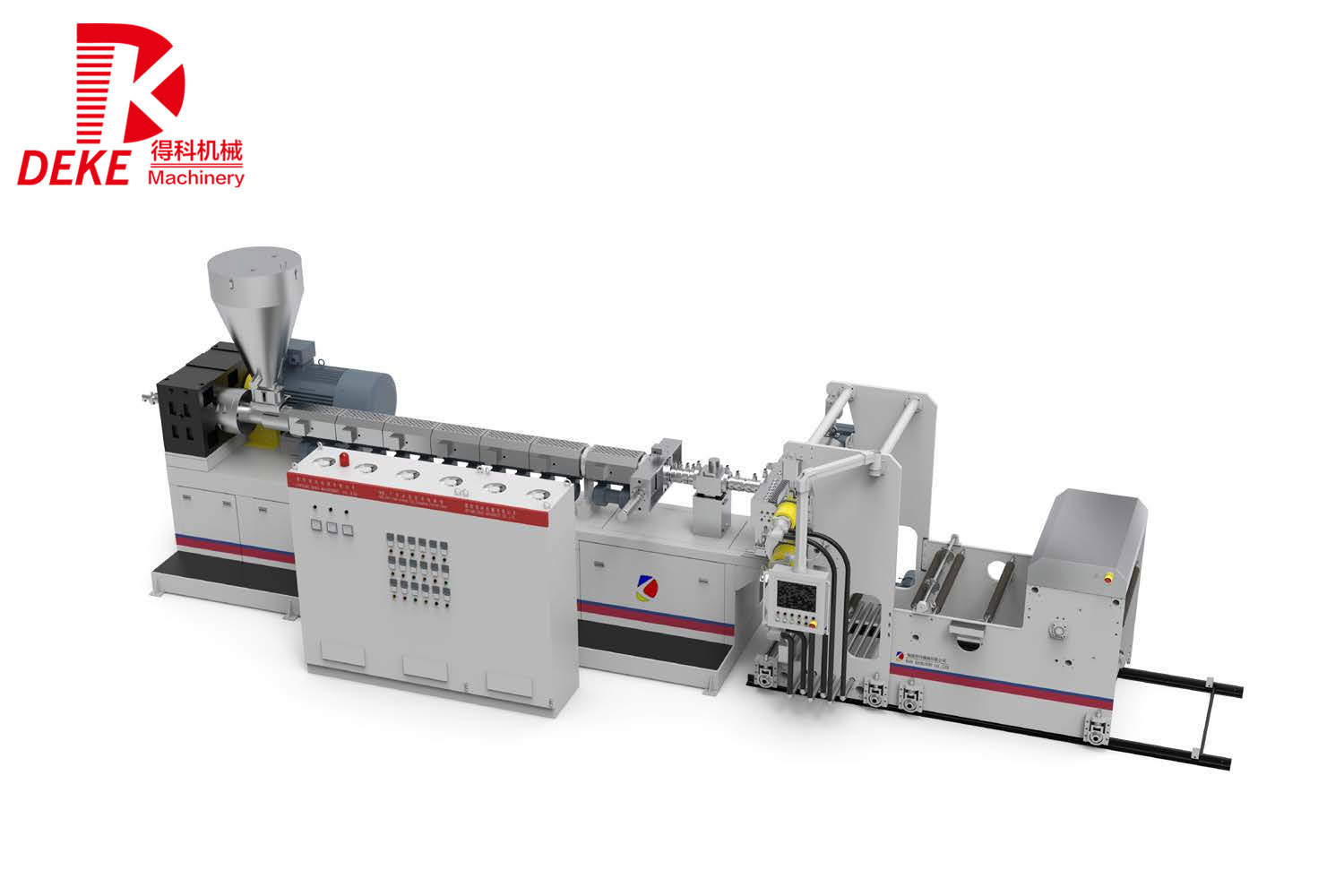
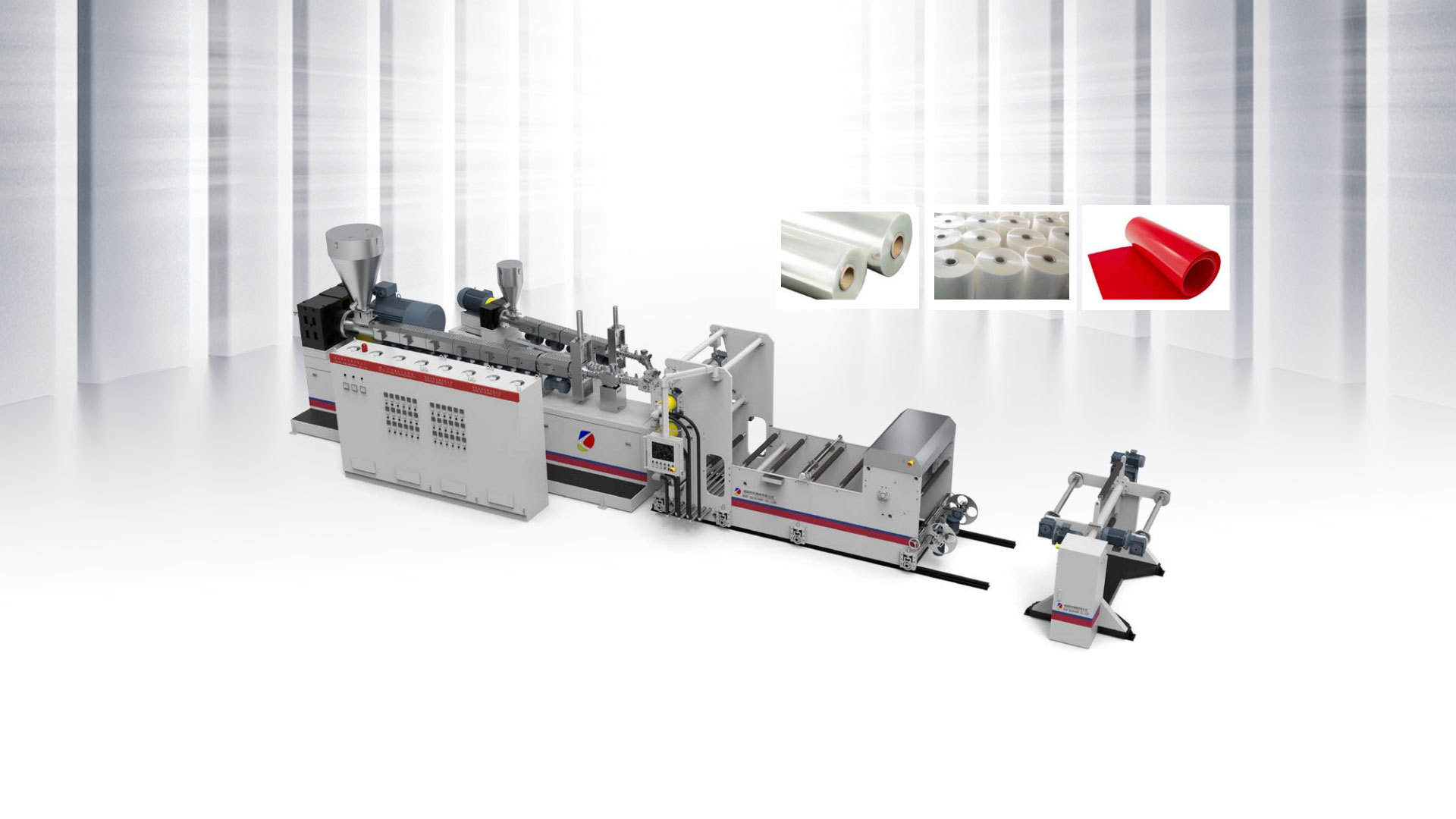
Understanding the mechanics of HIPS sheet co-extrusion is essential for manufacturers seeking to optimize their operations. The process begins with the feeding of raw materials into separate extruders. Each extruder melts the plastic before it is forced through a die that combines the materials into a single sheet.
1. Material Extrusion
The HIPS and any additional materials are heated and melted in their respective extruders. This process requires precise temperature control to ensure optimal melting and flow properties.
2. Layering and Shaping
As the molten materials exit the extruders, they are layered together through a specially designed die. This die shapes the combined materials into a continuous sheet, which can be further processed into final products.
3. Cooling and Solidification
Once shaped, the sheet is cooled rapidly to solidify the structure. This step ensures that the final product maintains its shape and dimensional accuracy.
Applications of HIPS Sheets in Various Industries
HIPS sheets produced using co-extrusion technology have a wide range of applications, including:
1. Packaging
The packaging industry benefits from HIPS due to its lightweight nature and durability. Co-extruded HIPS sheets are commonly used for food packaging, providing an excellent barrier against moisture and contamination.
2. Consumer Goods
HIPS is prevalent in various consumer products, including toys, kitchenware, and electronic housings. The co-extrusion process allows manufacturers to produce vibrant, appealing products that attract consumers.
3. Automotive Components
In the automotive industry, HIPS sheets are used for interior parts, dashboards, and panels. The materials' impact resistance and aesthetic versatility make them ideal for these applications.
4. Construction Materials
HIPS sheets are also employed in the construction sector for cladding, insulation, and architectural elements due to their durability and ease of installation.
Choosing the Right HIPS Sheet Co-Extruder for Your Needs
Selecting the right HIPS sheet co-extruder is a critical decision for any manufacturer. Factors to consider include:
1. Production Capacity
Evaluate the volume of production required. A co-extruder that meets your current needs while allowing for future growth is essential.
2. Material Compatibility
Ensure that the co-extruder can handle the specific types of HIPS and other materials you intend to use. Compatibility influences product quality and production reliability.
3. Technology and Features
Modern co-extruders come equipped with advanced features such as **automated controls**, **temperature regulation**, and **real-time monitoring**. These features enhance efficiency and product consistency.
4. Manufacturer Support and Warranty
Choose a reputable manufacturer that offers robust support and warranty options. This ensures that assistance is readily available in case of technical issues or maintenance needs.
Maintenance and Support for HIPS Sheet Co-Extruders
Regular maintenance of HIPS sheet co-extruders is essential to ensure optimal performance and longevity. This includes:
1. Routine Inspections
Conducting regular inspections helps identify wear and tear before they lead to significant issues. Check components such as the extruder screws, barrels, and cooling systems.
2. Lubrication
Proper lubrication of moving parts is crucial to minimize friction and enhance operational efficiency. Follow manufacturer recommendations for lubrication schedules and types.
3. Cleaning Protocols
Implement a cleaning schedule to prevent material buildup and contamination. Regular cleaning ensures that the co-extruder operates smoothly and maintains product quality.
The Future of Plastic Manufacturing with HIPS Co-Extrusion
As industries continue to evolve, the demand for **innovative solutions** in plastic manufacturing will only grow. HIPS sheet co-extruders will play a pivotal role in meeting this demand, offering:
1. Advanced Materials
Future developments in material science will lead to the introduction of new polymers and composites that can be co-extruded, providing even greater product capabilities.
2. Sustainable Practices
With heightened focus on sustainability, manufacturers will increasingly adopt eco-friendly practices. Co-extrusion will facilitate the use of recycled materials, promoting a circular economy in plastics.
3. Automation and Smart Technology
As automation and smart technology become more prevalent, the integration of AI and IoT in co-extrusion processes will enhance operational efficiency and predictive maintenance capabilities.
FAQs About HIPS Sheet Co-Extruders
1. What industries benefit most from HIPS sheet co-extrusion?
HIPS sheet co-extrusion is beneficial in packaging, consumer goods, automotive, and construction industries due to its durability and versatility.
2. How does co-extrusion improve product quality?
Co-extrusion allows the combination of different materials, optimizing the strengths of each to produce a superior final product.
3. What are the maintenance requirements for HIPS sheet co-extruders?
Regular inspections, lubrication, and cleaning are essential to ensure optimal performance and longevity of the equipment.
4. Can HIPS sheets be recycled?
Yes, HIPS is recyclable, and co-extrusion processes can incorporate recycled materials, reducing the environmental impact.
5. What should manufacturers consider when selecting a co-extruder?
Manufacturers should evaluate production capacity, material compatibility, technology features, and the manufacturer's support and warranty options.
Conclusion: Investing in a HIPS Sheet Co-Extruder
In today’s competitive plastic manufacturing landscape, investing in a HIPS sheet co-extruder is not just advantageous; it is essential. The benefits of enhanced product quality, increased efficiency, and greater design flexibility make it a worthy addition to any manufacturer’s portfolio. As industries continue to innovate, the HIPS sheet co-extruder stands ready to meet the challenges of the future, paving the way for sustainable and efficient plastic production. Embrace this technology now to secure your position in the evolving marketplace.
RELATED INFORMATION

Why Choose Conical Twin Screw for Your Next Extrusion Project?
Why Choose Conical Twin Screw for Your Next Extrusion Project? Understanding Extrusion Technology In the realm of **plastic processing**, extrusion is an essential manufacturing technique that transforms raw plastic materials into usable products. The **extrusion process** involves forcing molten plastic through a die to create continuous shapes like sheets, films, and profiles. With advancements
Understanding the Advantages of Counter Rotating Twin Screw Extruders for Plastic Processing
Counter rotating twin screw extruders are pivotal in the plastic processing industry, recognized for their versatility and efficiency. Unlike single screw extruders, twin screw extruders feature two intermeshing screws that rotate in opposite directions. This design allows for enhanced material handling and processing capabilities, making them suitable for a wide array of applications. One of the

Website

Copyright©Jieyang Deke Machinery Co., Ltd.