
Understanding HIPS Sheet Co-Extruders: A Comprehensive Guide for Professionals
2025-05
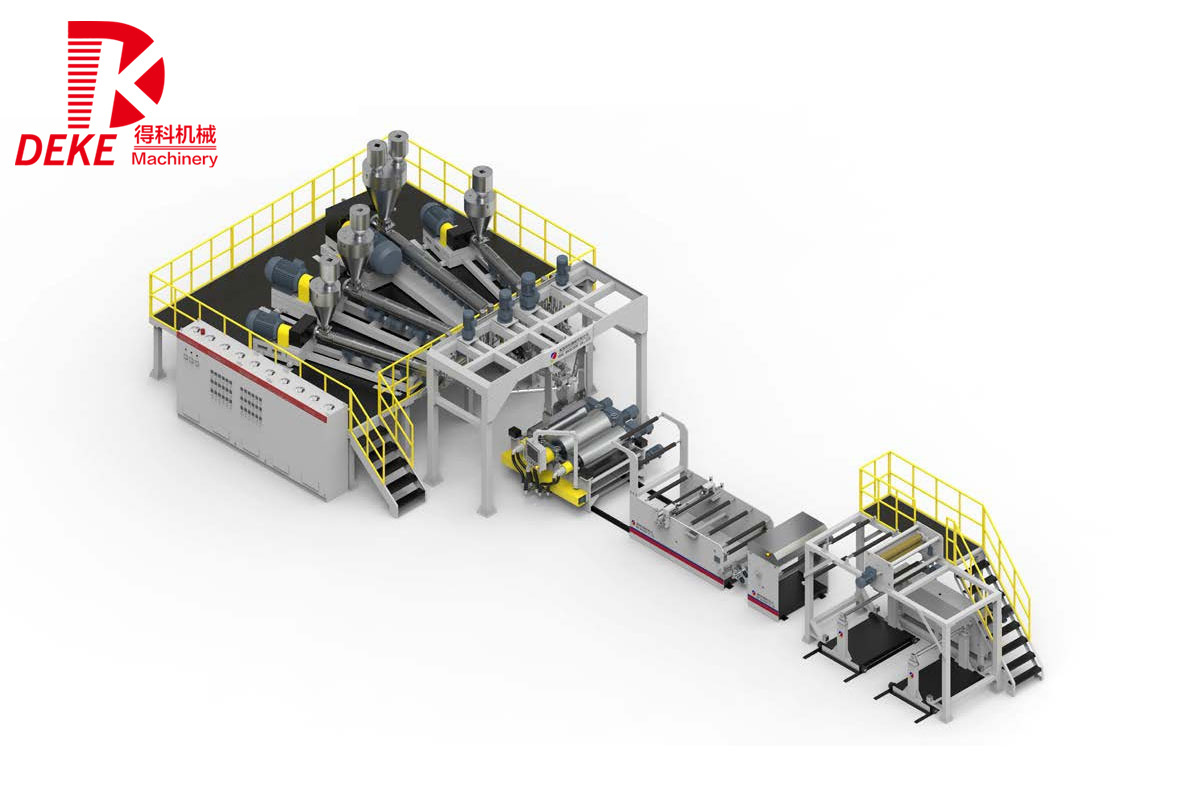
The primary function of a HIPS sheet co-extruder is to melt and blend different types of plastic resins, which are then forced through a die to form sheets. The co-extrusion process enables the creation of sheets with varying surface characteristics, thicknesses, and compositions, which can be crucial for specific applications, such as packaging, signage, or automotive parts. By utilizing HIPS in conjunction with other materials, manufacturers can optimize the physical and aesthetic properties of the final product.
One of the key advantages of using HIPS sheet co-extruders is their ability to enhance the mechanical properties of the sheets produced. HIPS itself is known for its high impact resistance, making it an excellent choice for applications where toughness is essential. By co-extruding HIPS with other polymers, manufacturers can further improve attributes such as flexibility, chemical resistance, and temperature stability. This versatility makes HIPS sheets suitable for a wide range of industries, including construction, consumer goods, and electronics.
Additionally, the co-extrusion process allows for cost-effective production by reducing material waste and enhancing the overall efficiency of the manufacturing process. The ability to combine different materials can also lead to a reduction in the use of high-cost resins, allowing manufacturers to maintain competitive pricing while still delivering high-quality products.
For those considering the implementation of HIPS sheet co-extruders in their manufacturing processes, it's essential to evaluate the specific needs of your production line. Factors such as desired sheet thickness, required mechanical properties, and compatibility with existing machinery should guide your decision-making process.
In summary, HIPS sheet co-extruders are a vital component in the realm of plastic processing machinery. Their ability to produce high-impact, durable sheets through advanced co-extrusion techniques offers significant advantages for manufacturers seeking to optimize their product offerings. Understanding the capabilities and benefits of these machines can empower professionals to make informed decisions that enhance production efficiency and overall product quality.
RELATED INFORMATION

Why Choose Conical Twin Screw for Your Next Extrusion Project?
Why Choose Conical Twin Screw for Your Next Extrusion Project? Understanding Extrusion Technology In the realm of **plastic processing**, extrusion is an essential manufacturing technique that transforms raw plastic materials into usable products. The **extrusion process** involves forcing molten plastic through a die to create continuous shapes like sheets, films, and profiles. With advancements
Understanding the Advantages of Counter Rotating Twin Screw Extruders for Plastic Processing
Counter rotating twin screw extruders are pivotal in the plastic processing industry, recognized for their versatility and efficiency. Unlike single screw extruders, twin screw extruders feature two intermeshing screws that rotate in opposite directions. This design allows for enhanced material handling and processing capabilities, making them suitable for a wide array of applications. One of the

Website

Copyright©Jieyang Deke Machinery Co., Ltd.