
How HIPS Sheet Extruders Are Transforming the Plastic Manufacturing Industry
2025-05
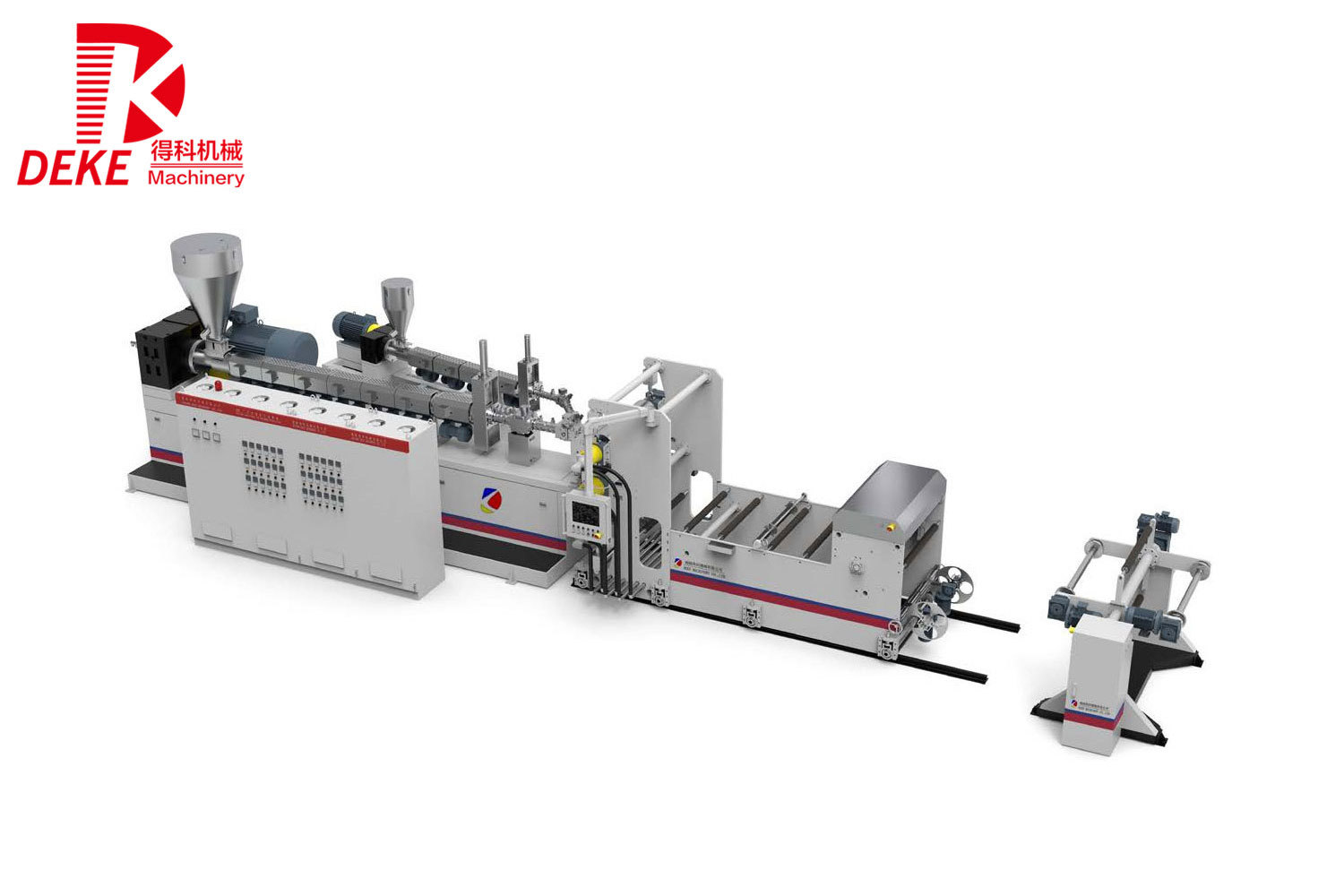
How HIPS Sheet Extruders Are Transforming the Plastic Manufacturing Industry
The plastic manufacturing landscape has undergone significant changes over the past few decades, with various innovations paving the way for higher efficiency and improved product quality. Among these innovations, **HIPS (High-Impact Polystyrene) sheet extruders** are taking center stage. These machines not only enhance production capabilities but also contribute to sustainable practices within the industry. In this comprehensive article, we will delve into the transformative role of HIPS sheet extruders in revolutionizing the plastic manufacturing sector.
Table of Contents
- 1. Introduction to HIPS Sheet Extrusion
- 2. Benefits of HIPS Sheet Extruders
- 2.1 Improved Product Quality
- 2.2 Enhanced Production Efficiency
- 2.3 Cost-Effectiveness
- 2.4 Sustainability in Production
- 3. Applications of HIPS Sheets in Various Industries
- 4. How HIPS Sheet Extruders Work
- 5. Future Trends in HIPS Sheet Extrusion Technology
- 6. FAQs about HIPS Sheet Extruders
- 7. Conclusion
1. Introduction to HIPS Sheet Extrusion
HIPS sheet extrusion is a process where high-impact polystyrene is transformed into sheets using specialized extruders. These machines are designed to melt and shape the HIPS granules, producing sheets that can be utilized across various sectors, including packaging, automotive, and consumer goods. The versatility of HIPS sheets stems from their durability, ease of fabrication, and excellent aesthetic properties.
2. Benefits of HIPS Sheet Extruders
Understanding the advantages of HIPS sheet extruders is essential for manufacturers aiming to enhance their production processes. Below, we explore the key benefits that these machines offer:
2.1 Improved Product Quality
One of the standout features of HIPS sheet extruders is their ability to produce high-quality sheets with uniform thickness and surface finish. The precision engineering of these machines allows for better control over the extrusion process, resulting in sheets that meet strict quality standards. This capability is particularly crucial for applications requiring high aesthetic appeal, such as signage and decorative panels.
2.2 Enhanced Production Efficiency
HIPS sheet extruders are designed to optimize production times, allowing manufacturers to achieve higher throughput with minimal downtime. The integration of advanced technology, such as real-time monitoring systems and automated controls, ensures that production runs smoothly. As a result, companies can meet increasing market demands without compromising on quality.
2.3 Cost-Effectiveness
Investing in HIPS sheet extruders can lead to significant cost savings for manufacturers. The efficiency of these machines reduces energy consumption and material waste, translating to lower operational costs. Moreover, the durability of HIPS sheets often leads to extended product lifecycles, further enhancing their cost-effectiveness in long-term usage.
2.4 Sustainability in Production
In today's environmentally conscious market, sustainability plays a vital role in the decision-making process of manufacturers. HIPS is a recyclable material, and the extrusion process can be optimized to minimize energy usage and emissions. By adopting HIPS sheet extruders, companies not only meet regulatory requirements but also demonstrate their commitment to sustainable practices, appealing to eco-conscious consumers.
3. Applications of HIPS Sheets in Various Industries
The versatility of HIPS sheets allows them to be utilized in a wide range of applications. Here, we highlight some key sectors where HIPS sheet extruders are making a significant impact:
3.1 Packaging Solutions
HIPS sheets offer excellent protection against moisture and chemicals, making them ideal for packaging food and consumer products. Their ability to be printed on easily enhances branding efforts, allowing companies to create visually appealing packaging that stands out on the shelves.
3.2 Automotive Components
In the automotive industry, HIPS sheets are commonly used for interior components, instrument panels, and exterior trims due to their lightweight and impact-resistant properties. The use of HIPS contributes to overall vehicle fuel efficiency while maintaining safety and aesthetics.
3.3 Consumer Goods
Products such as toys, electronic device casings, and household items benefit from HIPS sheets, which provide a glossy finish and vibrant colors. The ease of fabrication allows manufacturers to create intricate designs that appeal to consumers.
4. How HIPS Sheet Extruders Work
The operation of HIPS sheet extruders involves several critical steps:
- Raw Material Feeding: HIPS granules are fed into the extruder through a hopper.
- Melting: The granules are heated and melted as they pass through the heating zones within the extruder barrel.
- Extrusion: The molten HIPS is forced through a die, shaping it into sheets of desired thickness.
- Cooling: The extruded sheets are cooled quickly to maintain their shape and properties.
- Cutting: The sheets are cut to specified lengths for further processing or shipping.
This streamlined process ensures consistency in product quality and reduces the chances of defects.
5. Future Trends in HIPS Sheet Extrusion Technology
The future of HIPS sheet extrusion technology looks promising, with several trends likely to shape the industry:
- Increased Automation: Automation in manufacturing processes will continue to rise, enhancing efficiency and reducing labor costs.
- Smart Manufacturing: The integration of IoT (Internet of Things) technologies will allow for real-time data collection and analytics, enabling manufacturers to optimize their operations.
- Innovative Materials: Ongoing research may lead to the development of new formulations of HIPS, improving performance and sustainability.
6. FAQs about HIPS Sheet Extruders
What is HIPS?
HIPS stands for High-Impact Polystyrene, a thermoplastic polymer known for its durability and impact resistance. It is widely used in manufacturing sheets and various products.
How does a HIPS sheet extruder work?
A HIPS sheet extruder melts HIPS granules and shapes them into sheets using a die, followed by cooling and cutting processes.
What industries benefit from HIPS sheets?
Industries such as packaging, automotive, and consumer goods extensively utilize HIPS sheets due to their versatility and performance characteristics.
Are HIPS sheets recyclable?
Yes, HIPS sheets are recyclable, which contributes to sustainability in the manufacturing process.
What are the advantages of using HIPS sheets over other materials?
HIPS sheets offer excellent impact resistance, a glossy finish, easy fabrication, and cost-effectiveness, making them ideal for a variety of applications.
7. Conclusion
The emergence of HIPS sheet extruders represents a significant advancement in the plastic manufacturing industry. By enhancing product quality, improving efficiency, and promoting sustainability, these machines are revolutionizing how businesses operate. As manufacturers continue to embrace innovative technologies and sustainability practices, HIPS sheet extruders will undoubtedly play a critical role in shaping the future of plastic production. Investing in this technology not only positions companies for success but also aligns them with the growing demand for eco-friendly manufacturing solutions.
Previous Page:
RELATED INFORMATION

Why Choose Conical Twin Screw for Your Next Extrusion Project?
Why Choose Conical Twin Screw for Your Next Extrusion Project? Understanding Extrusion Technology In the realm of **plastic processing**, extrusion is an essential manufacturing technique that transforms raw plastic materials into usable products. The **extrusion process** involves forcing molten plastic through a die to create continuous shapes like sheets, films, and profiles. With advancements
Understanding the Advantages of Counter Rotating Twin Screw Extruders for Plastic Processing
Counter rotating twin screw extruders are pivotal in the plastic processing industry, recognized for their versatility and efficiency. Unlike single screw extruders, twin screw extruders feature two intermeshing screws that rotate in opposite directions. This design allows for enhanced material handling and processing capabilities, making them suitable for a wide array of applications. One of the

Website

Copyright©Jieyang Deke Machinery Co., Ltd.