
Understanding HIPS Sheet Extruders: Key Insights for Professionals in Plastic Processing
2025-05
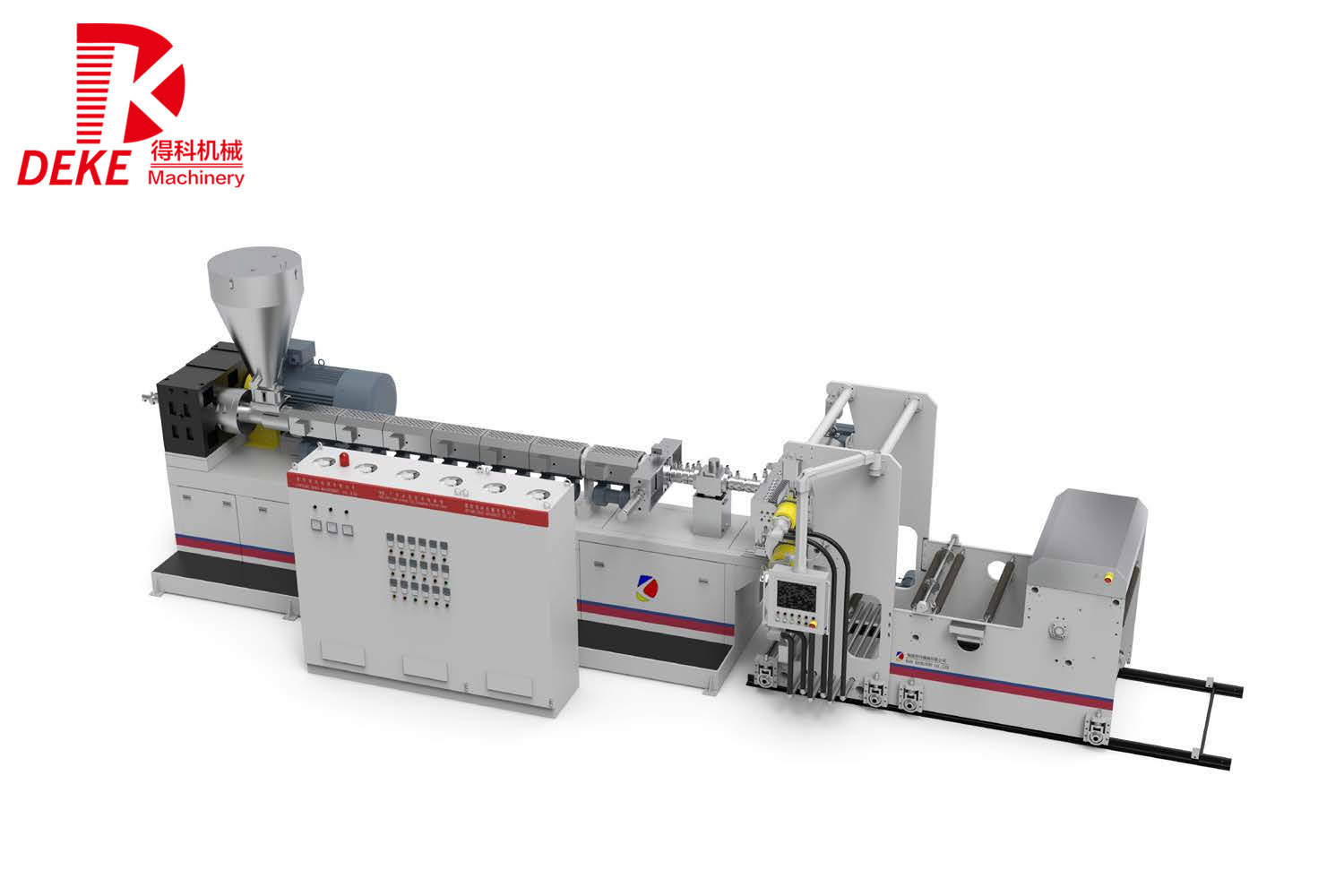
HIPS (High Impact Polystyrene) sheet extruders are specialized machines designed for the production of HIPS sheets, which are widely used in various industries due to their excellent mechanical properties and versatility. This article aims to provide an overview of HIPS sheet extruders, focusing on their operation, benefits, and significance in the plastic processing industry.
At the heart of the HIPS sheet extruder is the extrusion process, which involves melting plastic pellets and forcing the molten material through a die to form sheets of desired thickness. The extrusion can be regulated in terms of temperature and pressure, allowing for precise control over the properties of the final product. HIPS, known for its high impact resistance and good dimensional stability, is particularly favored in applications such as packaging, signage, and automotive components.
One of the primary advantages of using HIPS sheet extruders is their efficiency. The continuous process of extrusion minimizes waste and maximizes output, making it an ideal choice for manufacturers looking to optimize production. Additionally, the ability to produce large quantities of sheets at a consistent quality level enhances the reliability of the manufacturing process.
Another significant aspect of HIPS sheet extruders is their adaptability to various formulations. Manufacturers can modify the properties of HIPS sheets by incorporating additives such as colorants, UV stabilizers, or flame retardants during the extrusion process. This flexibility allows for the production of customized sheets tailored to specific applications, meeting diverse market demands.
Moreover, HIPS sheet extruders are designed with advanced technology that improves energy efficiency and reduces operational costs. Many modern extruders are equipped with sophisticated control systems that monitor and adjust the extrusion parameters in real time, ensuring optimal performance and reducing the likelihood of defects in the final product. This automation not only enhances productivity but also simplifies the operating procedures, allowing for easier maintenance and troubleshooting.
In conclusion, HIPS sheet extruders play a crucial role in the plastic processing industry, offering efficiency, adaptability, and advanced technology to meet the evolving needs of manufacturers. By understanding the operational mechanisms and advantages of these machines, industry professionals can make informed decisions to improve their production processes and product quality. Embracing the capabilities of HIPS sheet extruders can lead to significant competitive advantages in an increasingly demanding marketplace.
RELATED INFORMATION

Why Choose Conical Twin Screw for Your Next Extrusion Project?
Why Choose Conical Twin Screw for Your Next Extrusion Project? Understanding Extrusion Technology In the realm of **plastic processing**, extrusion is an essential manufacturing technique that transforms raw plastic materials into usable products. The **extrusion process** involves forcing molten plastic through a die to create continuous shapes like sheets, films, and profiles. With advancements
Understanding the Advantages of Counter Rotating Twin Screw Extruders for Plastic Processing
Counter rotating twin screw extruders are pivotal in the plastic processing industry, recognized for their versatility and efficiency. Unlike single screw extruders, twin screw extruders feature two intermeshing screws that rotate in opposite directions. This design allows for enhanced material handling and processing capabilities, making them suitable for a wide array of applications. One of the

Website

Copyright©Jieyang Deke Machinery Co., Ltd.