
Top Features to Look for in a High-Quality HIPS Sheet Extruder
2025-06
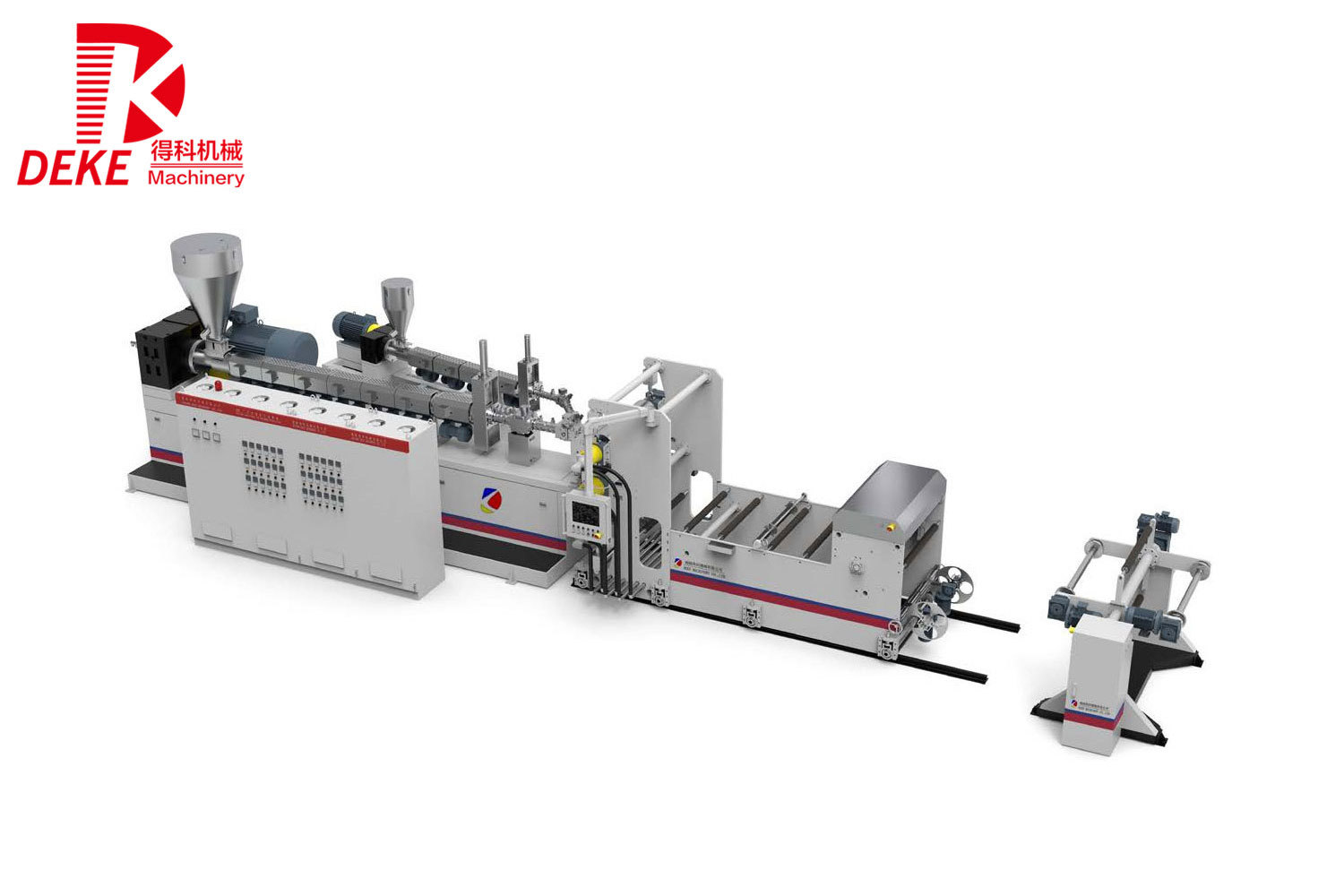
Top Features to Look for in a High-Quality HIPS Sheet Extruder
As industries continue to evolve, the demand for high-performance machinery in the plastic processing sector grows every day. When it comes to manufacturing HIPS (High-Impact Polystyrene) sheets, selecting the right extruder is crucial for achieving optimal results. In this article, we will delve into the **top features to look for in a high-quality HIPS sheet extruder**. Whether you're a seasoned professional or new to the world of plastic engineering, understanding these aspects can significantly influence your production efficiency and product quality.
Table of Contents
1. Understanding HIPS and Its Applications
2. What is a HIPS Sheet Extruder?
3. Key Features of a High-Quality HIPS Sheet Extruder
3.1. Advanced Temperature Control Systems
3.2. High Processing Speed and Efficiency
3.3. Versatile Die Design
3.4. Robust Material Handling Capabilities
3.5. Energy Efficiency
3.6. User-Friendly Controls and Automation
3.7. Durability and Maintenance
3.8. Safety Features
4. Conclusion
5. Frequently Asked Questions (FAQs)
1. Understanding HIPS and Its Applications
HIPS is a versatile thermoplastic that combines strength and impact resistance, making it ideal for various applications. Commonly used in the production of packaging materials, household goods, and automotive components, HIPS provides excellent surface quality and ease of processing. The ability to extrude HIPS sheets efficiently hinges on the performance of the extruder used in the manufacturing process.
2. What is a HIPS Sheet Extruder?
A HIPS sheet extruder is a specialized type of machinery designed to convert raw HIPS pellets into continuous sheets through a process known as extrusion. This process involves melting the polymer and forcing it through a die to create sheets of desired thickness and width. The quality of the extruder directly affects the overall efficiency of the production process and the quality of the final product.
3. Key Features of a High-Quality HIPS Sheet Extruder
When selecting a HIPS sheet extruder, it is essential to consider several key features that indicate the machine's quality and performance. Below are the features to prioritize:
3.1. Advanced Temperature Control Systems
Temperature control is vital in the extrusion process, as it affects the melt flow and the final properties of the HIPS sheets. A high-quality extruder should have an **advanced temperature control system** that allows for precise adjustments at different stages of the process. This feature helps to maintain the integrity of the material and ensures consistent product quality.
3.2. High Processing Speed and Efficiency
Efficiency in production translates to cost savings and increased output. A **high-speed extruder** can significantly enhance productivity, reducing cycle times and improving throughput. Look for models that offer customizable speed settings, allowing operators to adjust processing speeds according to specific material requirements and production goals.
3.3. Versatile Die Design
The **die design** is critical when producing HIPS sheets, as it determines the thickness and surface finish of the final product. A versatile die that can be easily adjusted or changed is essential for manufacturers looking to produce sheets of varying dimensions. This flexibility allows for greater adaptability to customer demands and market trends.
3.4. Robust Material Handling Capabilities
A high-quality HIPS sheet extruder should be equipped with **robust material handling capabilities** to ensure smooth feeding of the HIPS pellets into the extrusion system. This can include advanced feeding systems that minimize fluctuations in material flow, which can lead to defects in the final product.
3.5. Energy Efficiency
With rising energy costs, it's crucial to invest in an extruder that prioritizes **energy efficiency**. Look for units that incorporate energy-saving technologies, such as variable frequency drives (VFDs) and efficient heating systems. These features not only reduce operational costs but also contribute to a more sustainable manufacturing process.
3.6. User-Friendly Controls and Automation
Modern HIPS sheet extruders often come with **user-friendly controls and automation systems** that simplify operation and increase precision. Touchscreen interfaces, programmable settings, and automated adjustments can significantly reduce the learning curve for operators and minimize human error during the production process.
3.7. Durability and Maintenance
The durability of an extruder is a crucial factor that impacts its longevity and reliability. Choose a machine constructed from high-quality materials that can withstand the rigors of continuous operation. Additionally, consider the **maintenance requirements** of the extruder; ease of access to components can facilitate regular servicing and reduce downtime.
3.8. Safety Features
Safety should never be compromised in any manufacturing environment. A high-quality HIPS sheet extruder should incorporate essential **safety features** such as emergency stop buttons, safety guards, and sensors that prevent operation in case of malfunction. These measures help protect operators and ensure a safe working environment.
4. Conclusion
Selecting a high-quality HIPS sheet extruder is a critical decision that directly impacts the efficiency and quality of plastic sheet production. By focusing on features such as advanced temperature control systems, processing speed, versatile die design, and robust material handling capabilities, manufacturers can ensure they invest in machinery that meets their operational needs. Additionally, energy efficiency, user-friendly controls, durability, and safety features are essential for long-term success.
In an industry where precision and reliability are paramount, choosing the right extruder can lead to enhanced productivity and superior product quality. We encourage manufacturers to carefully assess these key features before making a purchase, ensuring they select an extruder that stands the test of time.
5. Frequently Asked Questions (FAQs)
What is the average lifespan of a HIPS sheet extruder?
The lifespan of a HIPS sheet extruder can vary depending on its quality, usage, and maintenance but typically ranges from 10 to 20 years with proper care.
How does the temperature control system impact HIPS sheet production?
A precise temperature control system ensures consistent melting of the HIPS material, which is crucial for producing sheets with uniform thickness and quality.
Can a HIPS sheet extruder be used for other materials?
Many HIPS sheet extruders are designed to handle various thermoplastics, making them versatile for different applications. However, it's essential to check the manufacturer's specifications.
What maintenance practices should be followed for a HIPS sheet extruder?
Regular cleaning, lubrication of moving parts, and inspections of key components are essential maintenance practices to ensure optimal performance and longevity.
Are there any safety certifications to look for in an extruder?
Yes, look for extruders that comply with international safety standards, such as CE marking in Europe or ISO certifications, to ensure they meet essential safety guidelines.
RELATED INFORMATION

Why Choose Conical Twin Screw for Your Next Extrusion Project?
Why Choose Conical Twin Screw for Your Next Extrusion Project? Understanding Extrusion Technology In the realm of **plastic processing**, extrusion is an essential manufacturing technique that transforms raw plastic materials into usable products. The **extrusion process** involves forcing molten plastic through a die to create continuous shapes like sheets, films, and profiles. With advancements
Understanding the Advantages of Counter Rotating Twin Screw Extruders for Plastic Processing
Counter rotating twin screw extruders are pivotal in the plastic processing industry, recognized for their versatility and efficiency. Unlike single screw extruders, twin screw extruders feature two intermeshing screws that rotate in opposite directions. This design allows for enhanced material handling and processing capabilities, making them suitable for a wide array of applications. One of the

Website

Copyright©Jieyang Deke Machinery Co., Ltd.