
Understanding HIPS Sheet Extruders: Key Insights for Manufacturers
2025-06
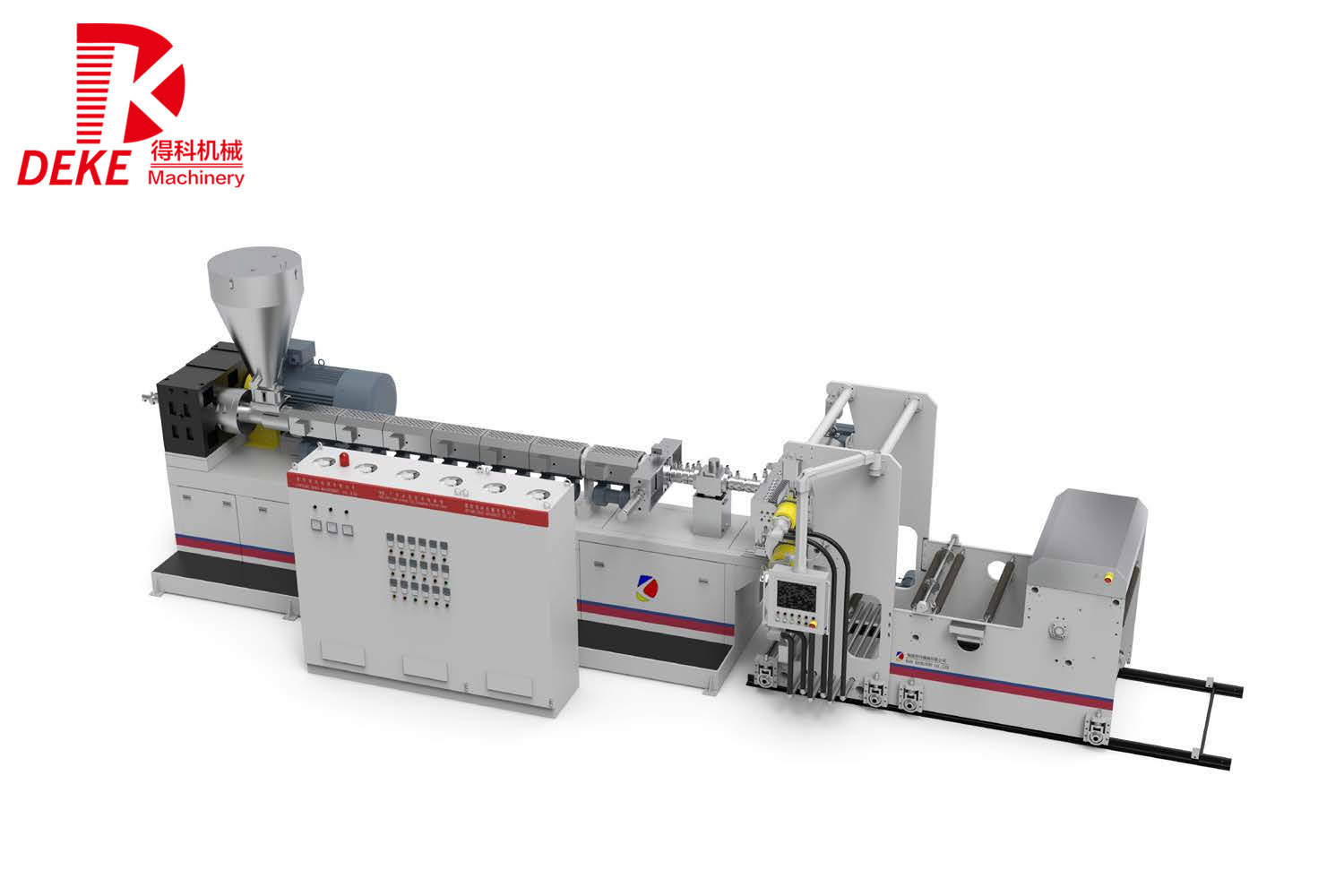
High Impact Polystyrene (HIPS) sheet extruders are essential machinery in the plastic processing industry, especially for manufacturers focused on producing high-quality HIPS sheets. Understanding the functionality and advantages of these extruders can significantly enhance production efficiency and product quality.
HIPS is a versatile thermoplastic known for its impact resistance, making it a popular choice in various applications, including packaging, displays, and consumer goods. The role of the HIPS sheet extruder is to convert raw polystyrene pellets into sheets through a continuous process. This process involves melting the pellets, mixing them with additives if necessary, and then forming them into sheets of desired thickness and width.
One of the primary advantages of using a HIPS sheet extruder is the ability to customize the properties of the sheets produced. By adjusting the extrusion parameters—such as temperature, pressure, and cooling rates—manufacturers can create sheets with specific characteristics tailored to meet their customers’ demands. For instance, varying the additives can enhance the sheet's UV resistance, gloss, or rigidity, providing flexibility in product development.
Another significant benefit of HIPS sheet extruders is their efficiency. Modern extruders are designed to provide a high output with consistent quality. Precise control systems allow for real-time monitoring and adjustments during the extrusion process, reducing waste and minimizing downtime. This efficiency translates to cost savings and improved productivity for manufacturers.
Moreover, HIPS sheets exhibit excellent machinability, which means they can be easily cut, shaped, and printed on, making them ideal for a wide range of applications. The compatibility of HIPS with various printing techniques, such as digital and screen printing, further broadens its utility in sectors like advertising and point-of-purchase displays.
It's also worth noting the environmental considerations surrounding HIPS sheet extrusion. Many manufacturers are now focusing on recycling and sustainability. HIPS can be recycled, and with advancements in technology, extruders are being developed to facilitate the processing of recycled materials. This trend not only contributes to sustainability efforts but also offers manufacturers the opportunity to reduce material costs.
In conclusion, understanding the workings and benefits of HIPS sheet extruders is crucial for professionals in the plastic processing industry. These machines not only enhance manufacturing efficiency but also allow for greater customization and sustainability in production. By leveraging the capabilities of HIPS sheet extruders, manufacturers can meet diverse market needs while maintaining high standards of quality and performance.
RELATED INFORMATION

Why Choose Conical Twin Screw for Your Next Extrusion Project?
Why Choose Conical Twin Screw for Your Next Extrusion Project? Understanding Extrusion Technology In the realm of **plastic processing**, extrusion is an essential manufacturing technique that transforms raw plastic materials into usable products. The **extrusion process** involves forcing molten plastic through a die to create continuous shapes like sheets, films, and profiles. With advancements
Understanding the Advantages of Counter Rotating Twin Screw Extruders for Plastic Processing
Counter rotating twin screw extruders are pivotal in the plastic processing industry, recognized for their versatility and efficiency. Unlike single screw extruders, twin screw extruders feature two intermeshing screws that rotate in opposite directions. This design allows for enhanced material handling and processing capabilities, making them suitable for a wide array of applications. One of the

Website

Copyright©Jieyang Deke Machinery Co., Ltd.